Kilauea Iki Trail
"You start in a rainforest and end up walking across a frozen lava lake."
A four-mile loop through rainforest and across the still-cooling floor of a 1959 lava lake.
Of everything I did in Hawai’i Volcanoes National Park, the Kilauea Iki Trail is the one I keep describing to people back in Mexico, because no photo I took quite captures the transition. You start under a canopy of ‘ohi’a trees and hapu’u ferns, birdsong loud enough to drown out conversation, and within twenty minutes you are standing on the edge of a crater floor so barren it looks like a different planet spliced into the same hike.
Into the Crater
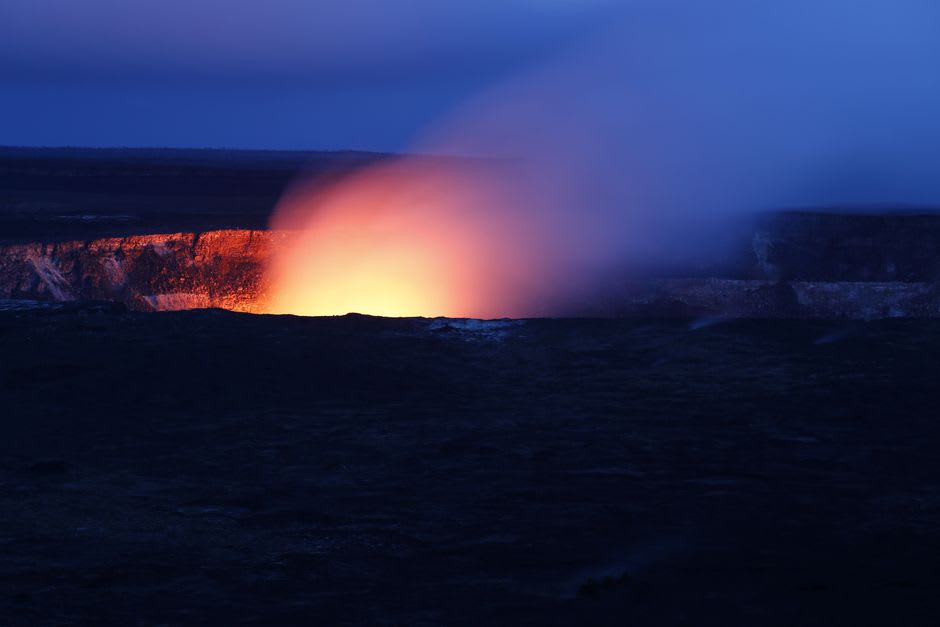
In 1959, this crater held a lava lake that fountained nearly two thousand feet into the air — briefly the tallest lava fountain ever recorded in Hawai’i. The trail descends four hundred feet through switchbacks in the rainforest wall, and the moment you step onto the crater floor the temperature and the silence both change at once. The surface is a vast plate of solidified pahoehoe, cracked into plates like a dried lakebed, still faintly warm underfoot in places even six decades later. Steam vents hiss quietly along the trail’s cairned route across the middle, close enough that I could feel the heat on my ankles as I walked past one.
Life Returning First
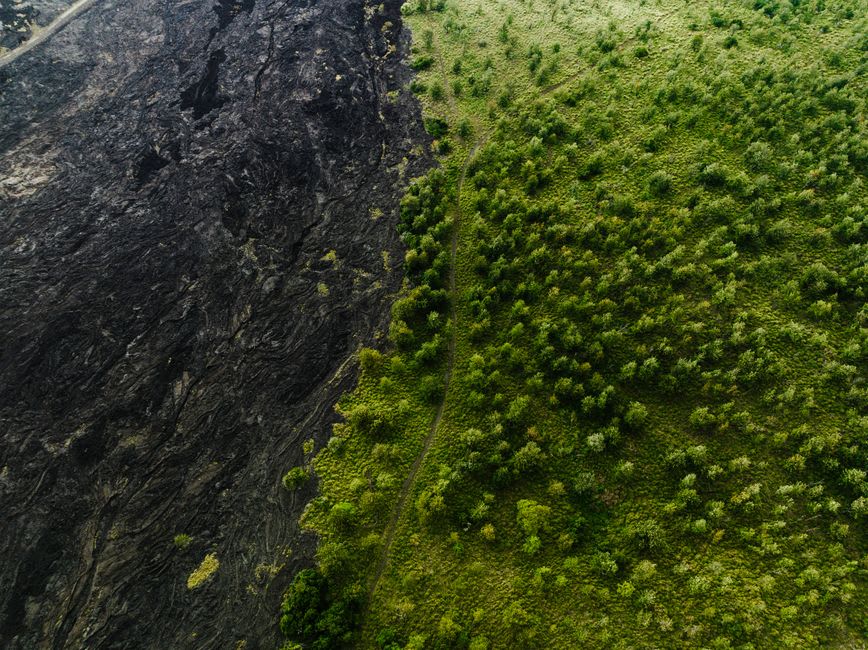
What struck me most was how fast life had reclaimed the crater. ‘Ohi’a lehua saplings, some barely knee-high, punch up through cracks in rock that is, geologically speaking, an infant. A nene goose wandered across the trail ahead of us with the unbothered confidence of a creature that owns the place, which, honestly, it does more than we do. Lia pointed out a cluster of ferns growing directly out of a steam vent crack, thriving on heat that would have blistered our boots if we’d stood there too long. The crater is not dead. It is recovering in real time, and you get to watch.
The Overlook Loop
The full loop connects to the crater rim trail, giving you a view down onto the floor you just crossed — a good way to appreciate the scale, since from below it is impossible to judge how large the crater actually is. From the rim, the tiny figures of other hikers crossing the plate look almost absurd against the size of the caldera wall behind them.
When to go: Early morning avoids both the heat on the exposed crater floor and the bulk of tour groups. The trail is open year-round but can close temporarily during periods of volcanic activity — check park alerts before you go.
Keep exploring
More from Hawai'i
 hawaii
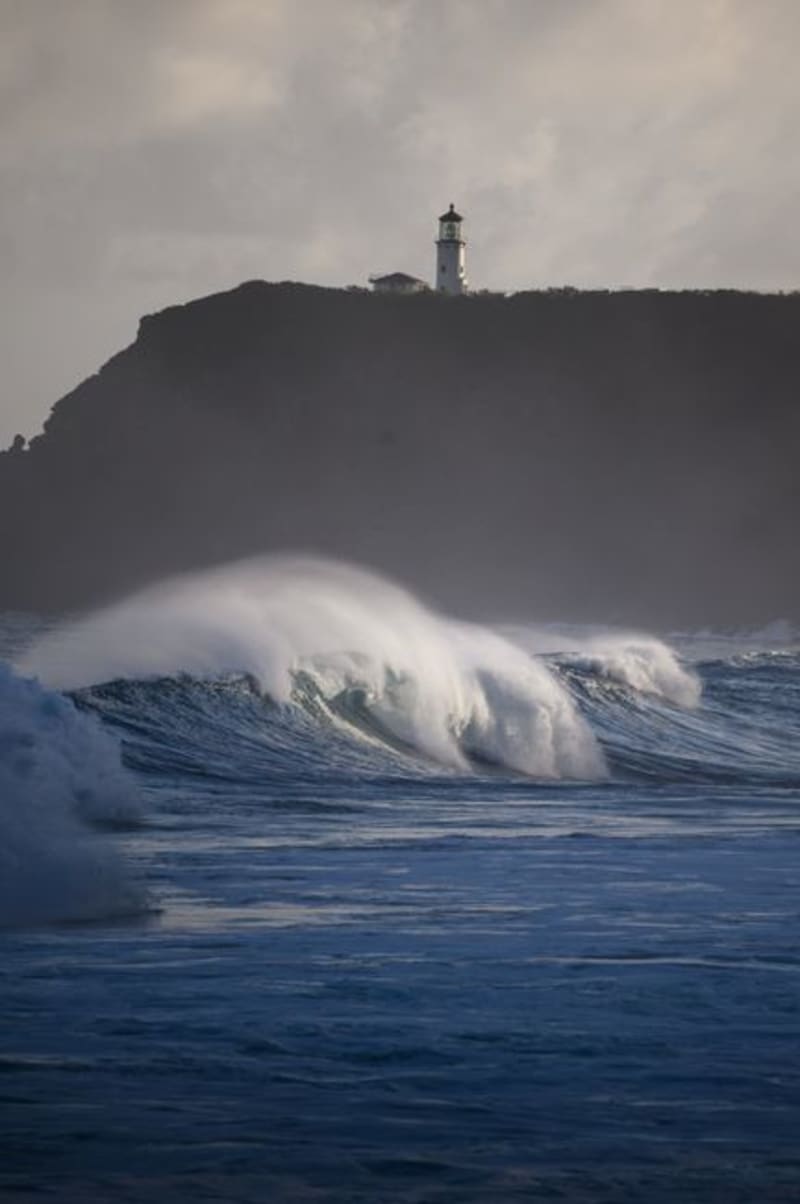
 Kilauea Point
A restored 1913 lighthouse on Kaua'i's northernmost point, surrounded by a seabird refuge that draws albatross, boobies, and the occasional spinner dolphin pod below.
Explore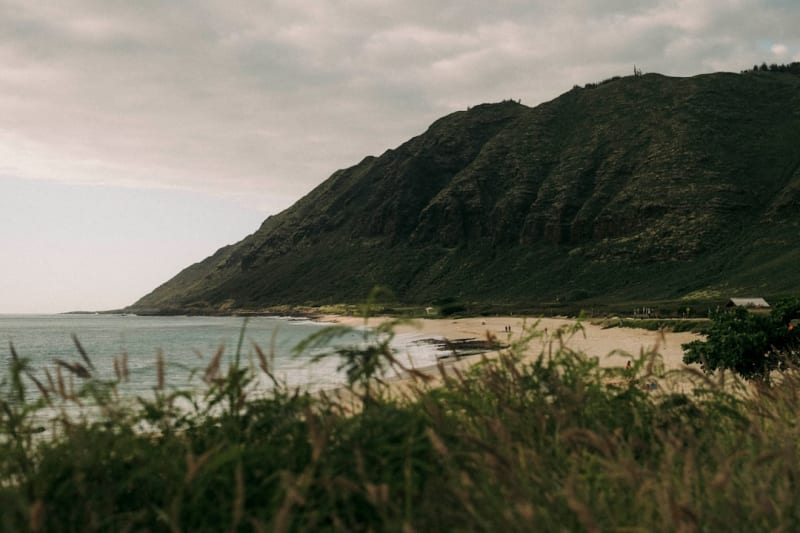 hawaii
 Kipahulu
The remote southern end of Haleakalā National Park, where the Pipiwai Trail climbs through bamboo forest to a 400-foot waterfall far beyond Hana's usual turnaround point.
Explore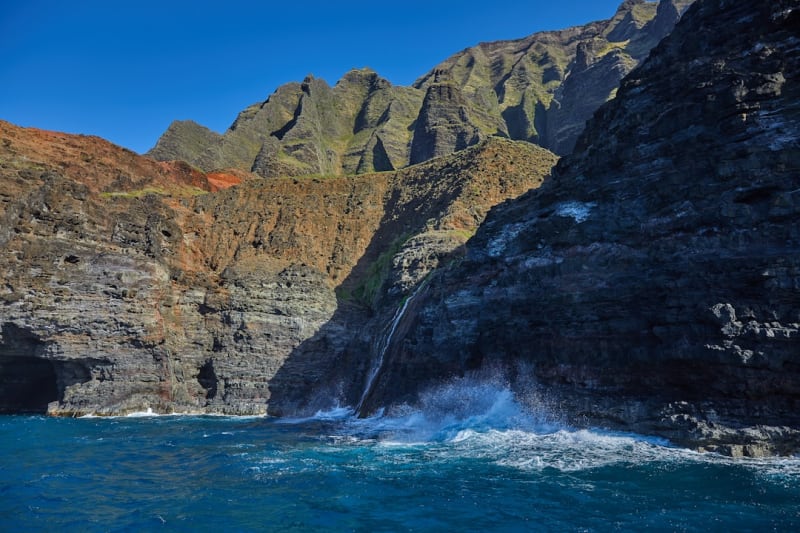 hawaii
 Ko Olina
Four man-made lagoons on Oahu's dry leeward coast, built for calm water in a place the ocean was never going to provide it naturally.
Explore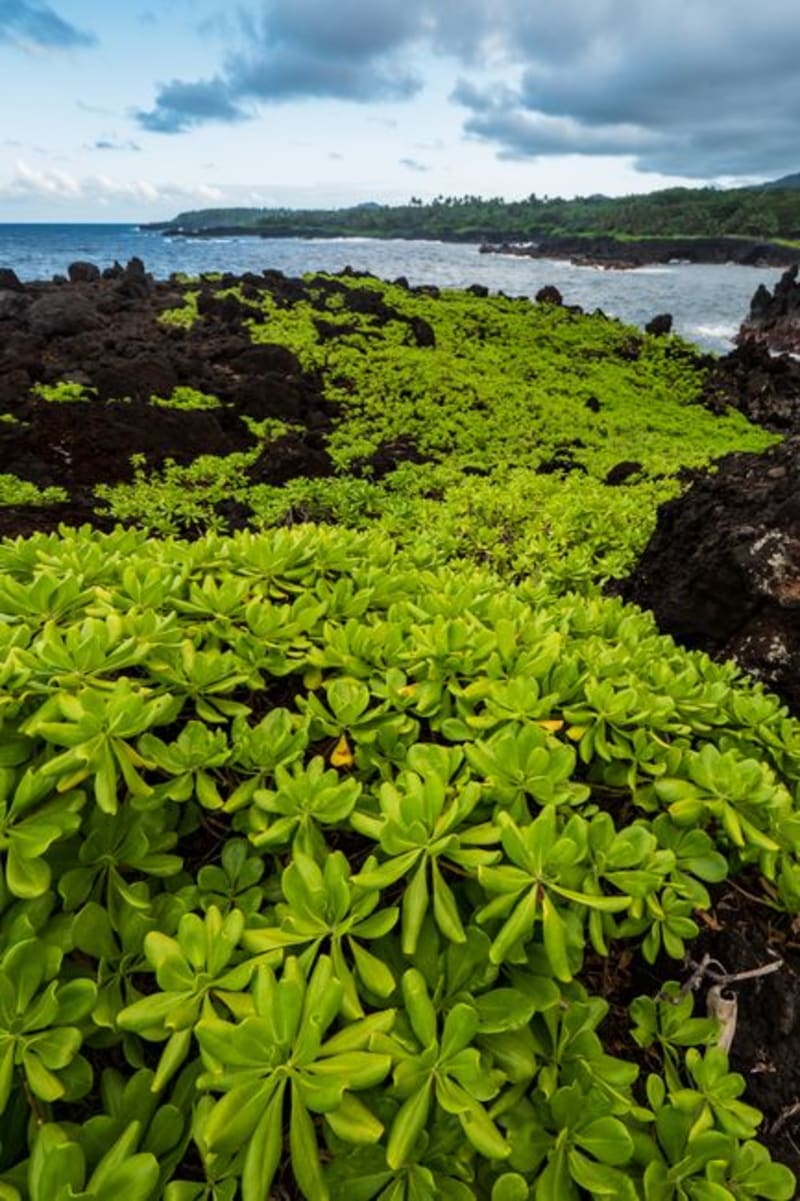 hawaii
 Kohala Coast
Lava-field resorts, ancient fishponds, and some of the calmest turquoise water in the Hawaiian islands.
Explore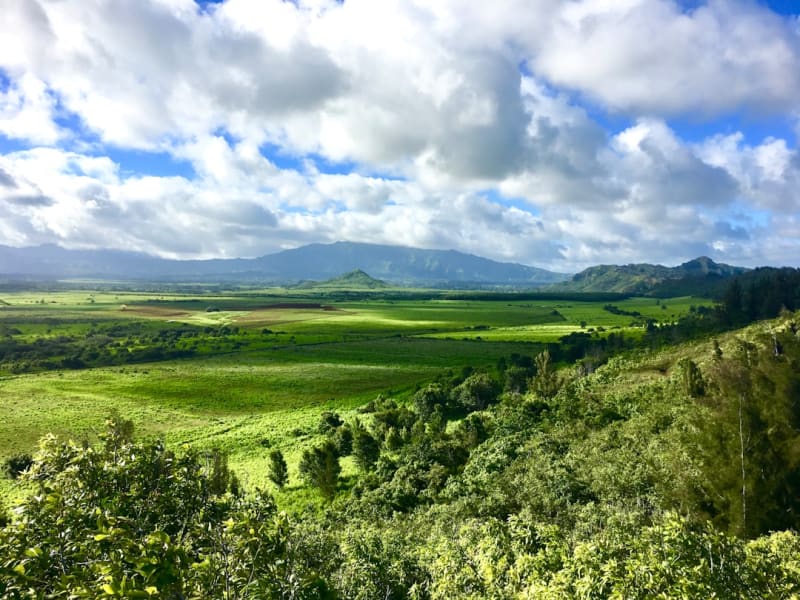 hawaii
 Koke'e State Park
The misty highland forest above Waimea Canyon — Kalalau Lookout, native birdsong, and a climate that feels like a different island.
Explore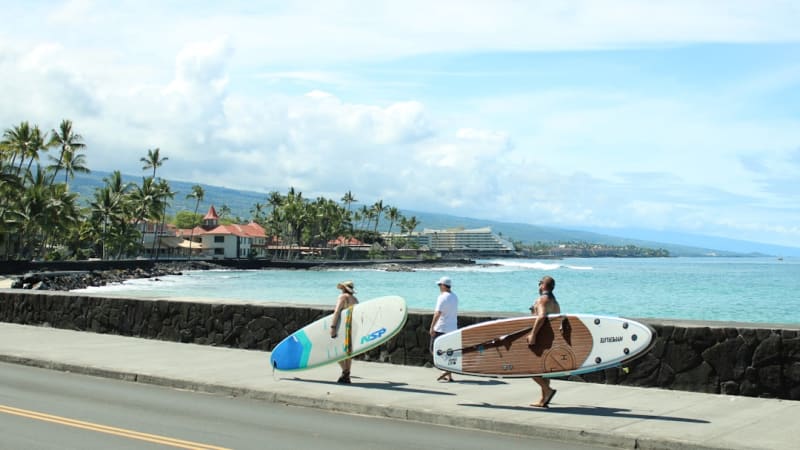 hawaii
 Kona
Coffee farms clinging to volcanic slopes, manta rays feeding under floodlights, and a harbor town that never quite decided to become a resort.
Explore