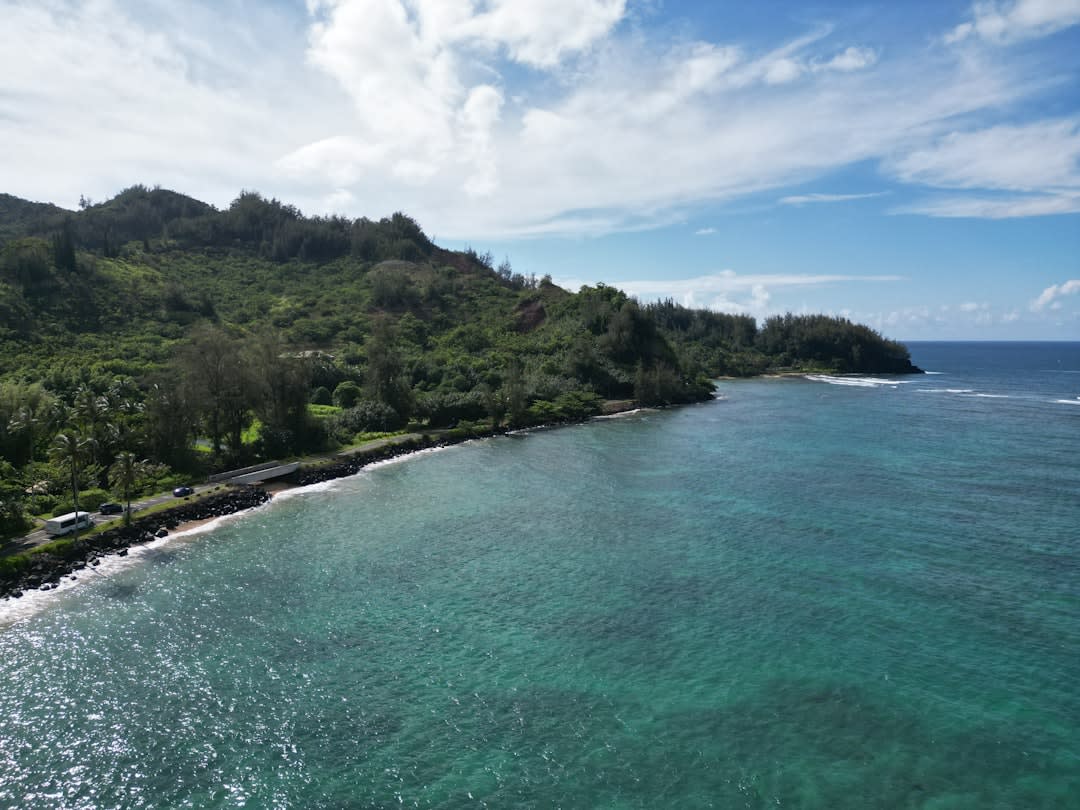
The end of the road on Kaua'i's north shore — a reef-protected lagoon at the exact spot where the pavement stops and the Nā Pali cliffs begin.
There’s a specific feeling that comes from driving as far as a road will physically take you, and Ke’e Beach delivers it better than almost anywhere I’ve been. Highway 560 simply stops here, at a small reef lagoon tucked beneath the first cliffs of the Nā Pali Coast, and beyond the parking lot there is no more road — only the Kalalau Trail, disappearing up and over the first headland. We came to swim and left wanting to keep walking, which I gather is the standard reaction.
The Lagoon Before the Wilderness
The reef at Ke’e creates a shallow, mostly protected swimming and snorkeling area that’s calm enough for hesitant swimmers in summer, with coral just inside the reef line holding a decent variety of fish. It’s smaller and shallower than Tunnels down the road, but the setting compensates — you’re snorkeling with the Nā Pali cliffs as a wall on one side and the open Pacific on the other, and the scale of it is hard to process while treading water.
The Reservation System Nobody Warns You About
What we did not know until we’d already driven forty minutes from Hanalei: Ke’e and the first stretch of the Kalalau Trail now require an advance reservation through Hawai’i’s Nā Pali Coast permit system, capped at a set number of visitors per day specifically to protect the reef and trailhead from overcrowding. We’d booked ours weeks earlier without quite understanding why it mattered — standing in the parking lot with a busload of hopeful, permit-less tourists being turned away, it made complete sense.
Walk at Least to Hanakāpī’ai
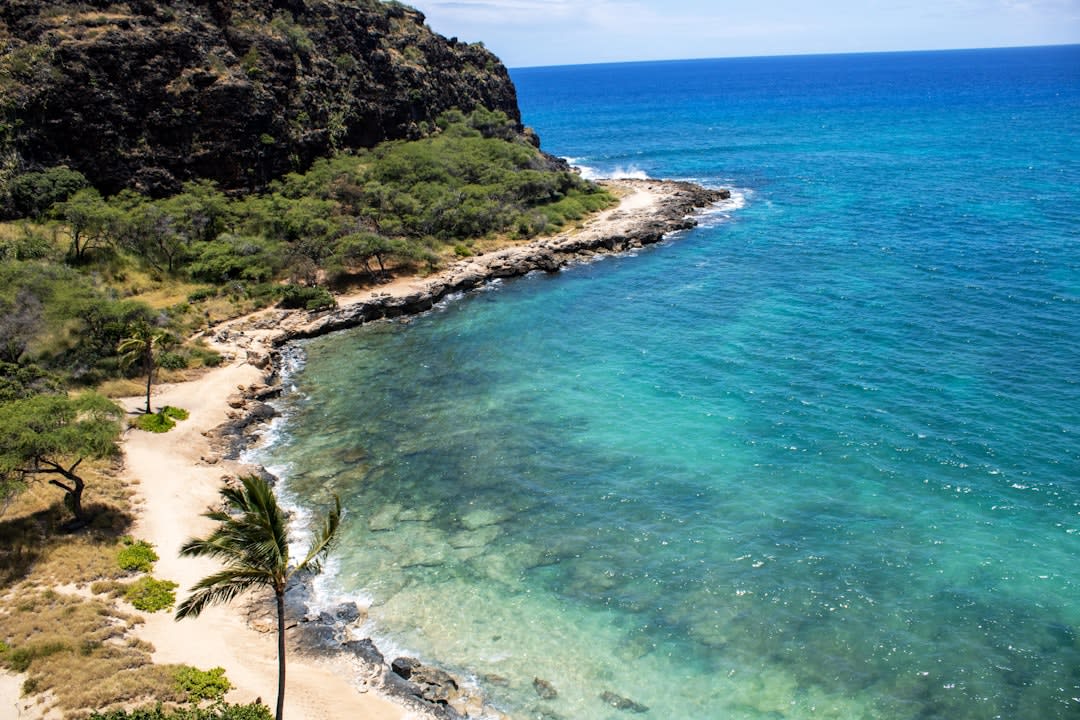
You don’t need a multi-day permit to feel the Nā Pali Coast — the first two miles of the Kalalau Trail to Hanakāpī’ai Beach are a day-use reservation only, a steep, muddy, occasionally exposed walk that delivers views worth every slippery step. Lia turned back after a mile with a twisted ankle nothing serious; I pushed on to the beach and sat there alone for twenty minutes before the next hiker arrived, which on an island this visited felt like a small miracle.
When to go: April to October for the driest trail conditions and calmest lagoon swimming. Book your Nā Pali Coast day-use reservation online at least a week ahead — walk-ins are turned away at the checkpoint.
Keep exploring
More from Hawai'i
 hawaii
 Kilauea Iki Trail
A four-mile loop through rainforest and across the still-cooling floor of a 1959 lava lake.
Explore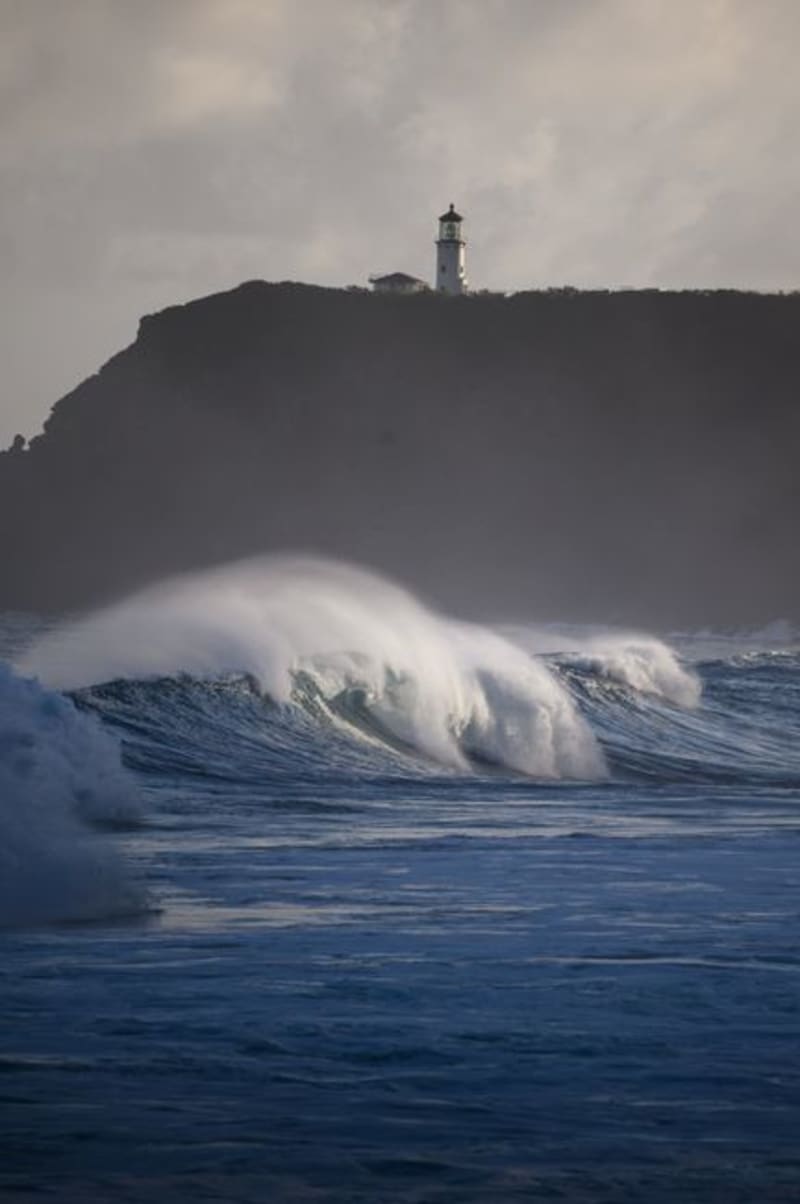 hawaii
 Kilauea Point
A restored 1913 lighthouse on Kaua'i's northernmost point, surrounded by a seabird refuge that draws albatross, boobies, and the occasional spinner dolphin pod below.
Explore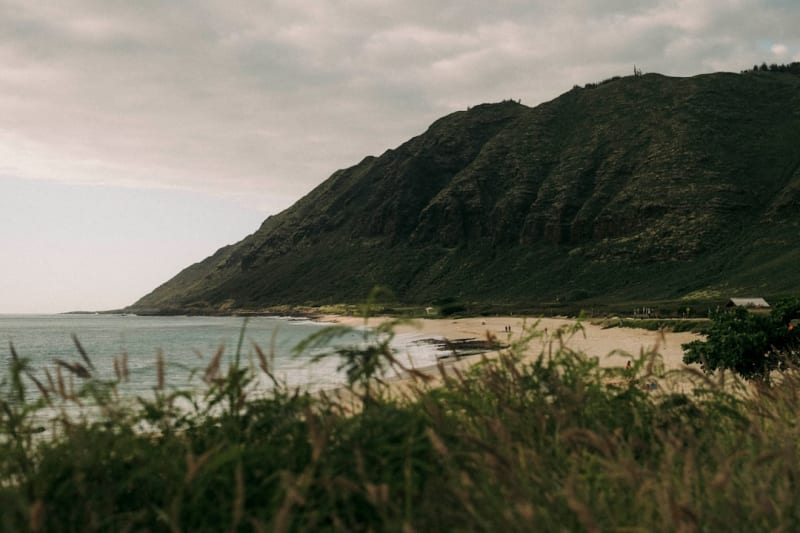 hawaii
 Kipahulu
The remote southern end of Haleakalā National Park, where the Pipiwai Trail climbs through bamboo forest to a 400-foot waterfall far beyond Hana's usual turnaround point.
Explore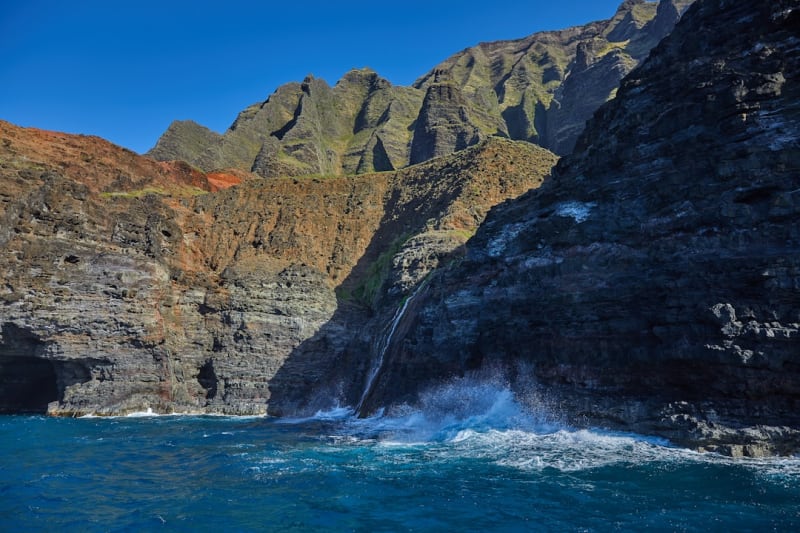 hawaii
 Ko Olina
Four man-made lagoons on Oahu's dry leeward coast, built for calm water in a place the ocean was never going to provide it naturally.
Explore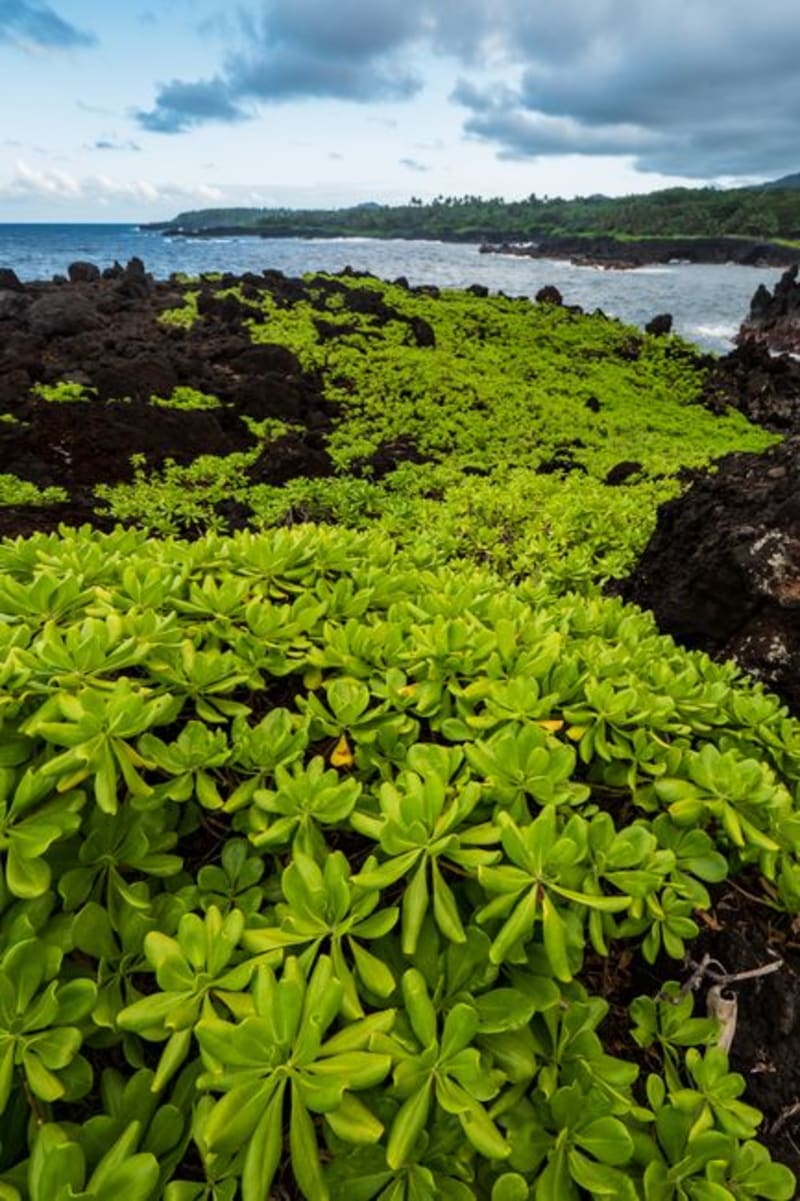 hawaii
 Kohala Coast
Lava-field resorts, ancient fishponds, and some of the calmest turquoise water in the Hawaiian islands.
Explore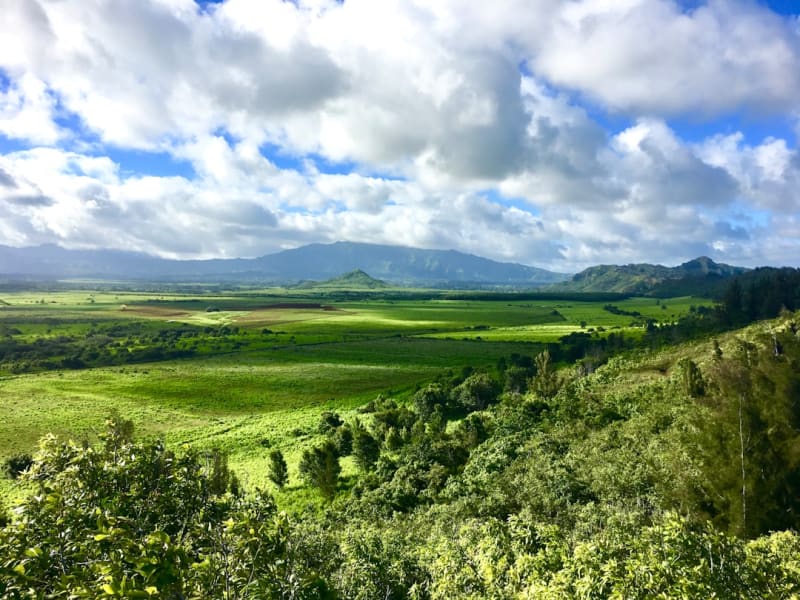 hawaii
 Koke'e State Park
The misty highland forest above Waimea Canyon — Kalalau Lookout, native birdsong, and a climate that feels like a different island.
Explore