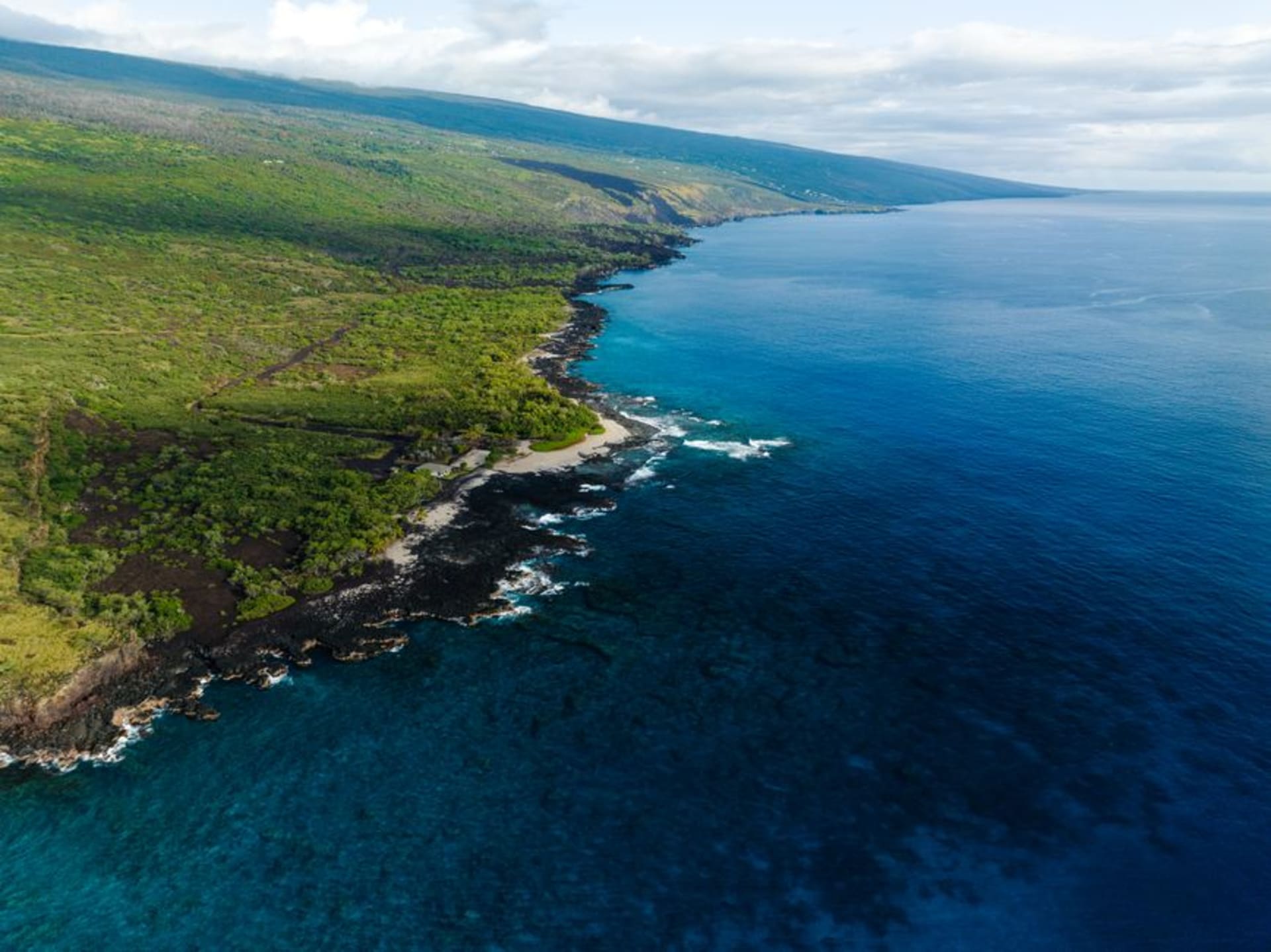
A marine sanctuary where dolphins circle beneath the water, a lava cliff marks Captain Cook's death, and the snorkeling rivals anywhere in the Pacific.
We kayaked across Kealakekua Bay before eight in the morning, the water so flat it looked poured rather than natural, and I remember thinking that the guidebooks had genuinely undersold this place. By the time we’d paddled the mile and a half to the monument side, a pod of spinner dolphins had found us, tracing lazy circles beneath the kayak close enough that Lia stopped paddling entirely just to watch them through the clear water.
A Bay Layered With History
The white obelisk on the far shore marks where Captain James Cook was killed in 1779, in a confrontation with Native Hawaiians that followed a complicated cycle of welcome, misunderstanding, and violence — the monument itself technically sits on land still owned by the United Kingdom, a strange colonial footnote on a Hawaiian cliff. But the bay’s importance predates Cook by centuries: this was a place of refuge and royal burial caves cut into the pali above, and the whole area is now protected as a Marine Life Conservation District, which is precisely why the reef below is in such extraordinary condition.
The Snorkeling Justifies Every Superlative
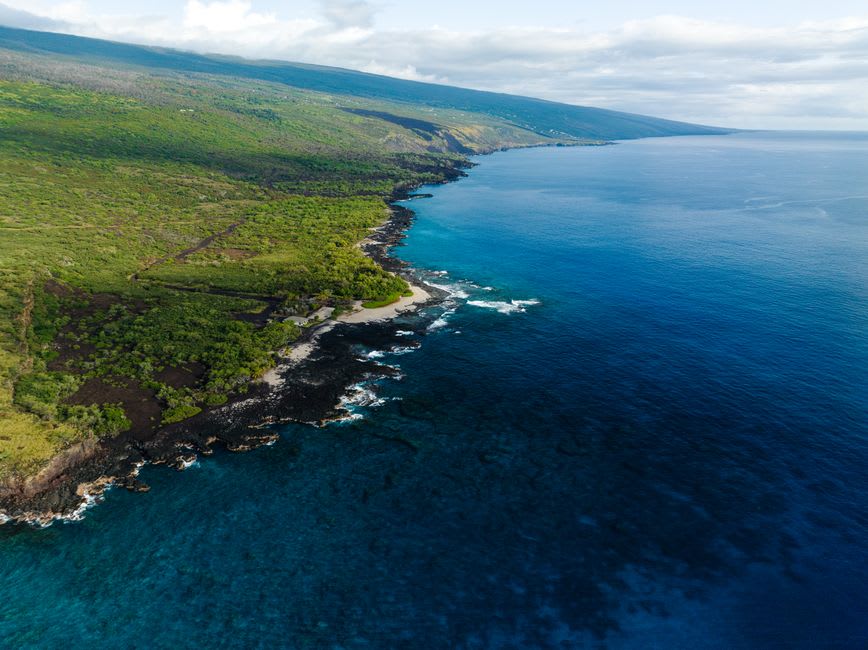
We anchored the kayak and went in with masks near the monument side, and within a minute I’d lost count of how many species of butterflyfish were moving through coral heads in fifteen meters of visibility that made the water feel almost absent. A green sea turtle grazed along a coral shelf, unbothered by us, and a spotted eagle ray glided past below in a slow, deliberate line that made everyone on our little flotilla go quiet at once. I’ve snorkeled a fair amount around the Yucatán since moving to Mexico, and this bay still stood apart.
Getting There Without a Boat
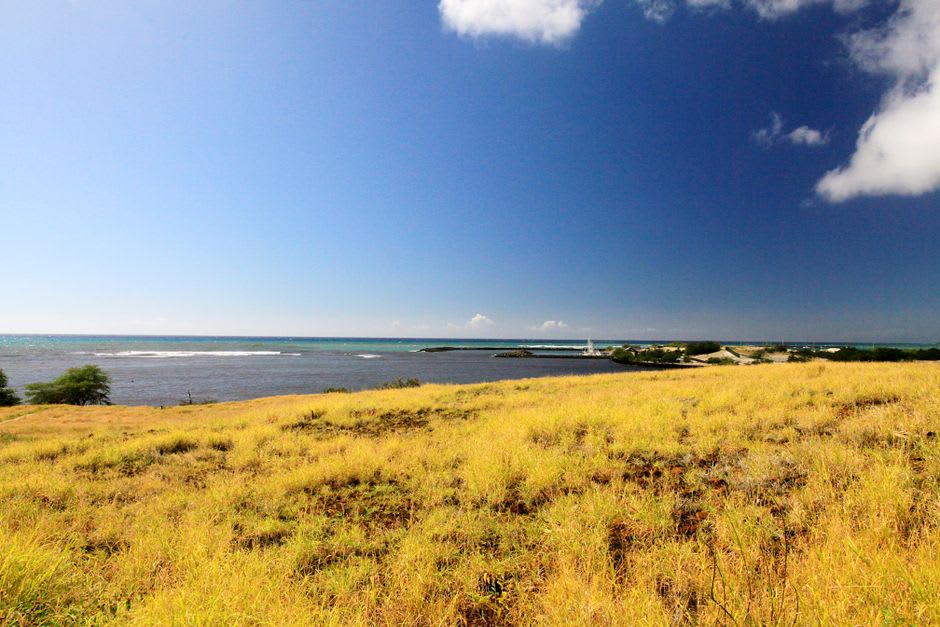
You don’t need a kayak — a steep, unmarked trail drops down from the highway near Napo’opo’o and reaches the bay’s south end in about thirty minutes each way, though the climb back out in the heat is no small thing. Permits are now required for the kayak landing near the monument itself, a change brought in to protect the coral from overuse, so book ahead with a licensed outfitter rather than assuming you can just paddle over and land.
When to go: Morning, always — the water is calmest and clearest before the trade winds pick up after midday, and the dolphins are more reliably present early. Summer months bring the flattest seas for kayaking across the bay.