Kaanapali Beach
"Proof that a resort coast can still hold something authentic at its edges."
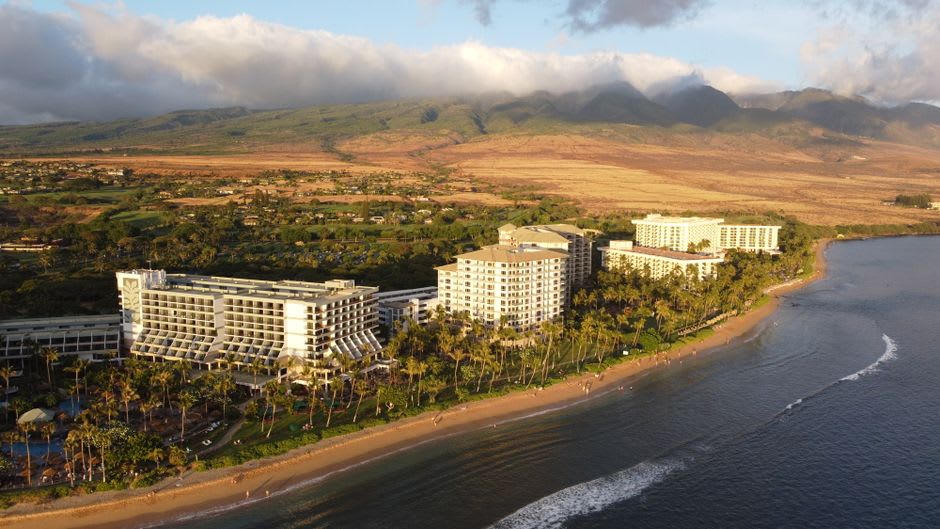
Maui's original resort coast — three miles of white sand, snorkeling at Black Rock, and sunset cliff-diving traditions still performed each evening.
I went to Ka’anapali expecting the version of Hawai’i I’m usually skeptical of — the manicured resort strip, the swim-up bars, the sense of a place designed entirely for consumption. Some of that is true. But Ka’anapali also has Pu’u Keka’a, known to almost everyone as Black Rock, and that single volcanic outcrop changed my opinion of the whole stretch within about twenty minutes of arriving.
Black Rock, Morning and Evening
We snorkeled Black Rock at 8 a.m., before the beach chairs filled in and before the wind picked up and clouded the water. It’s a genuinely good reef for a resort-adjacent snorkel spot — parrotfish grazing on coral just off the rocks, a green sea turtle gliding past close enough that Lia forgot to breathe through her snorkel for a second and came up sputtering and laughing. The rock itself has real significance beyond the swimming: in Hawaiian tradition it was believed to be a leina, a place where souls leapt from this world into the next.
Every evening around sunset, a diver in traditional dress climbs Black Rock and performs a cliff-diving ceremony honoring Maui chief Kahekili, who was said to have leapt from the rock himself centuries ago to prove his courage to his warriors. It’s staged now, run by the hotel at its base, and I went into it braced for something hollow. It wasn’t. The torch-lighting, the chant, the actual dive as the sun drops — a small crowd gathers on the sand each night and goes quiet at exactly the same moment, and there’s a reason the tradition has held on this long.
The Rest of the Coast
The three-mile beach walk connecting the resorts is genuinely pleasant if you go early, the sand cool and mostly empty before 8 a.m., outrigger canoes already out training on the water. We rented boogie boards for an afternoon at the public beach access near Whalers Village and got thoroughly worked by shore break that looked gentler from land than it felt in the water — Lia came out of one wave with sand in places sand should not be able to reach, which became the running joke of the trip.
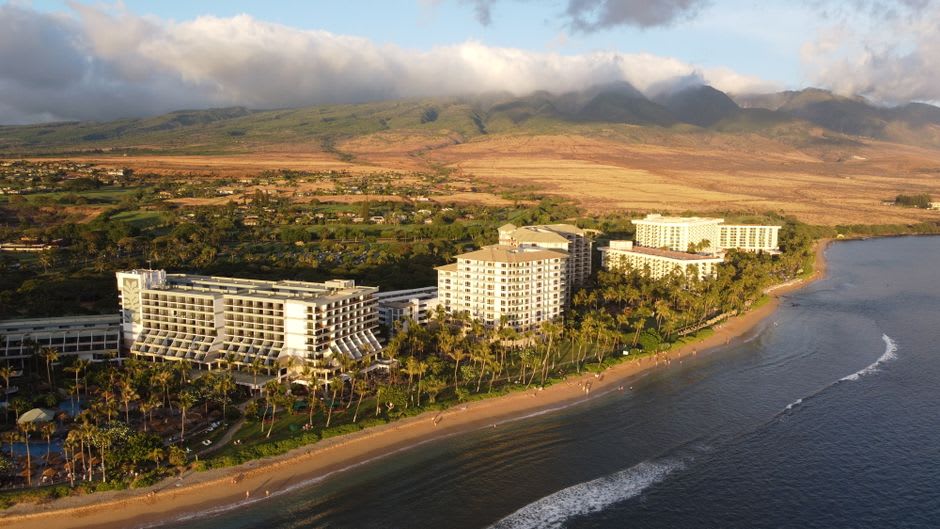
Whale season, December through April, turns the whole coast into an informal viewing platform — we watched a mother and calf breach repeatedly from a beach chair without ever needing a boat tour.
When to go: April to June or September to November for the calmest water and thinner crowds. December through April adds whale watching but also the highest hotel rates and busiest beach.
Keep exploring
More from Hawai'i
 hawaii
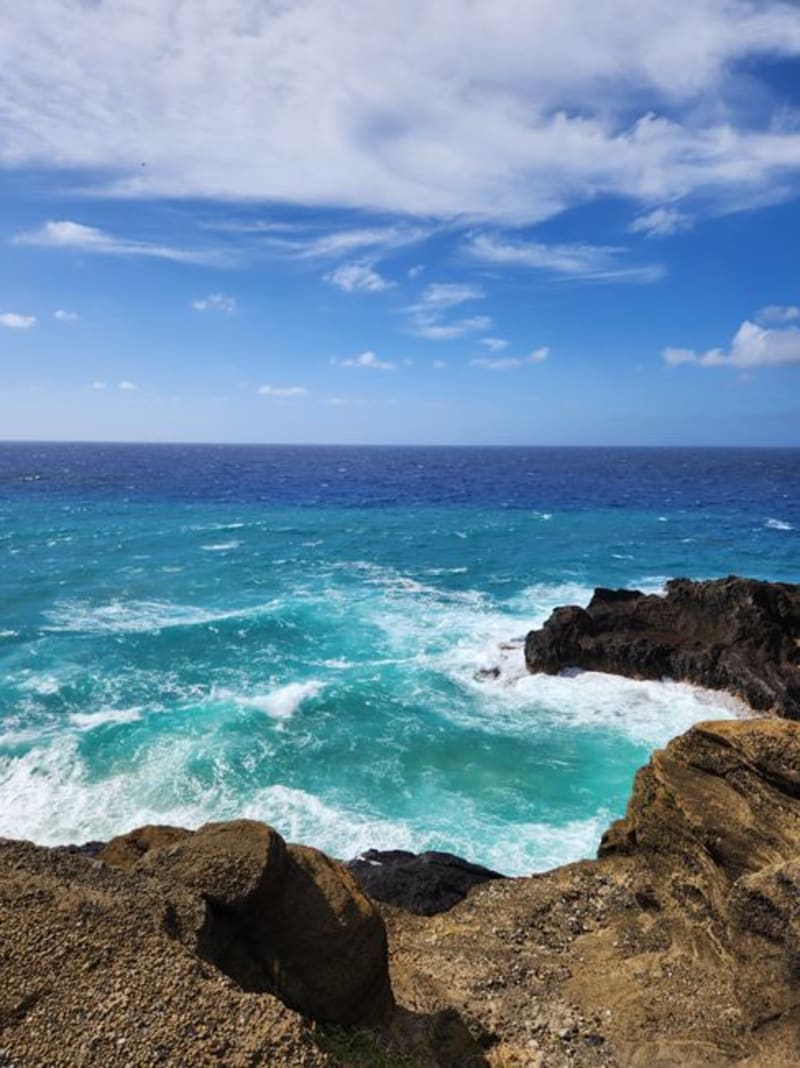
 Kaena Point
Oahu's wild, roadless tip — a red-dirt trail through a nesting seabird sanctuary where monk seals haul out and the pavement simply stops.
Explore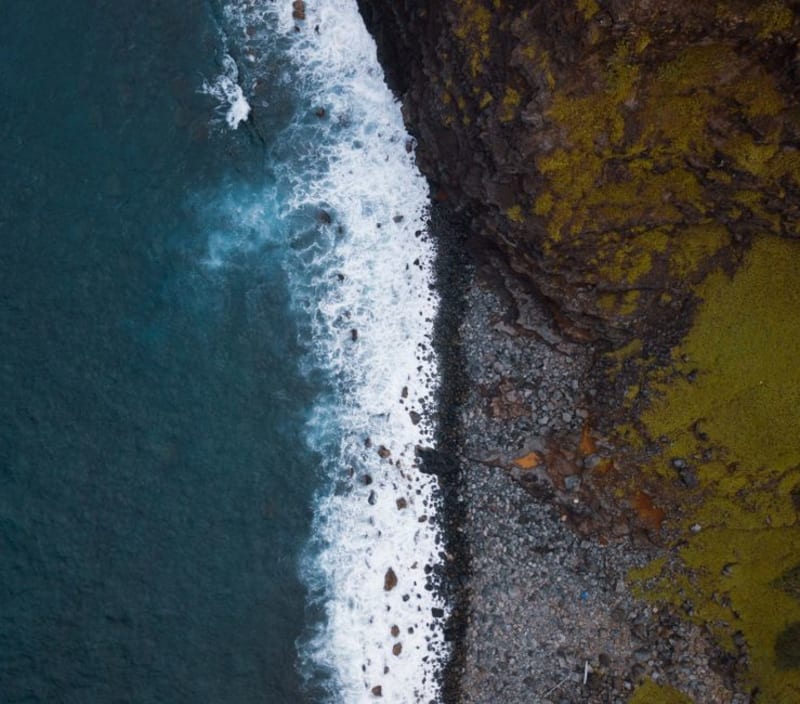 hawaii
 Kahakuloa
A remote taro-farming village at the end of West Maui's cliffside road, one of the last places on the island where old Hawaii hasn't been paved over.
Explore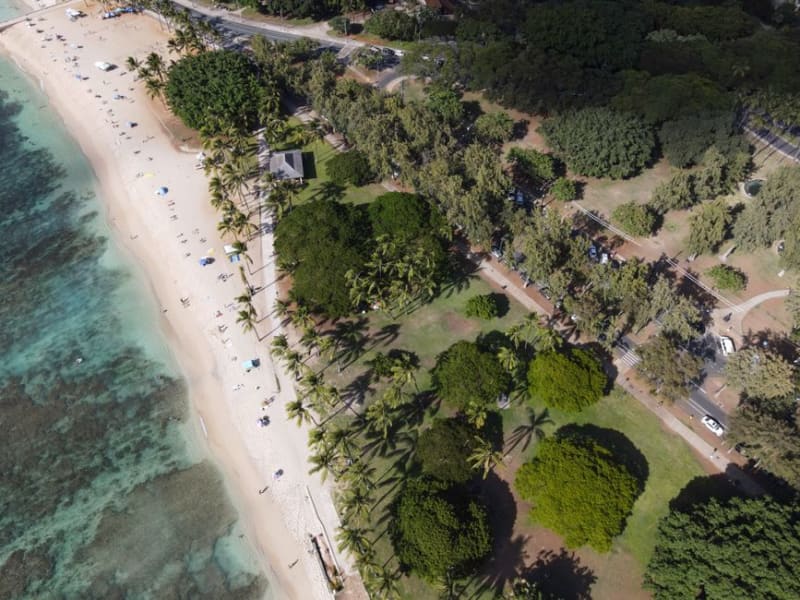 hawaii
 Kahekili Beach Park
A protected 'Turtle Town' snorkeling reef just north of Ka'anapali, popular with green sea turtles and a local surf and canoe scene most resort guests never notice.
Explore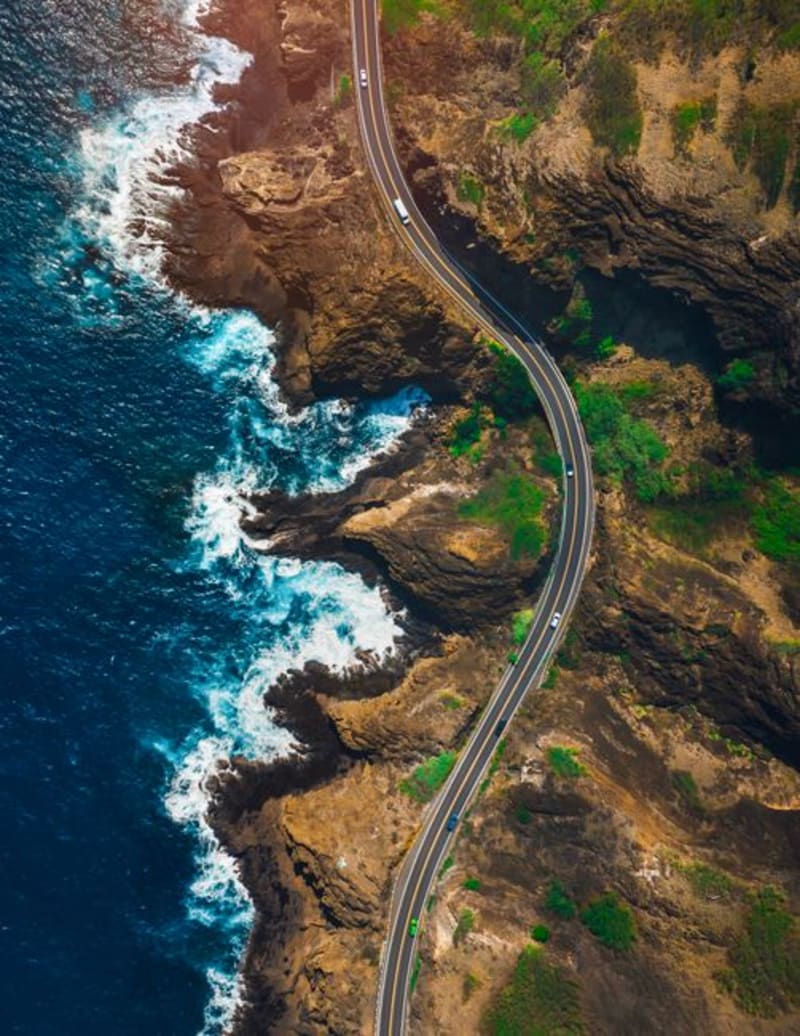 hawaii
 Kamehameha V Highway
The east-end coastal road on Molokai that turns a forty-minute drive into a two-hour event, threading fishponds, one-lane bridges, and jungle so thick it presses against the windshield.
Explore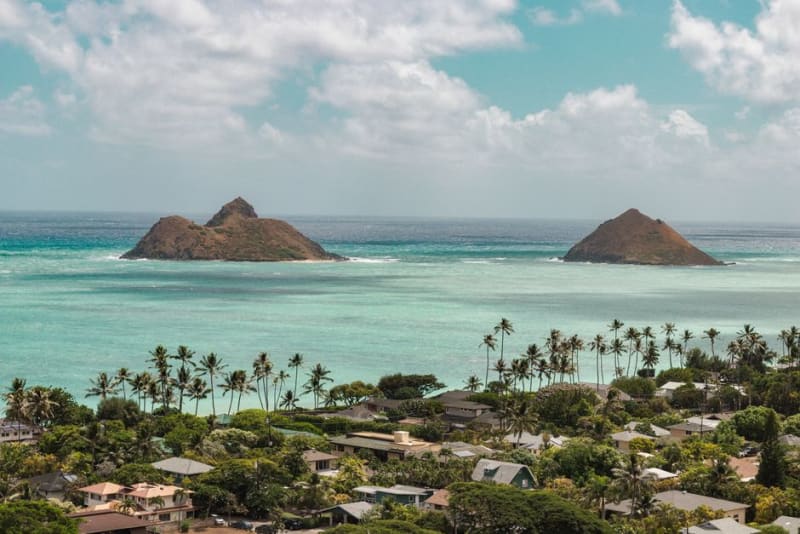 hawaii
 Kailua
The beach town Waikiki wishes it still was — powder sand, kayaks to the Mokulua islands, and a main street with no high-rises in sight.
Explore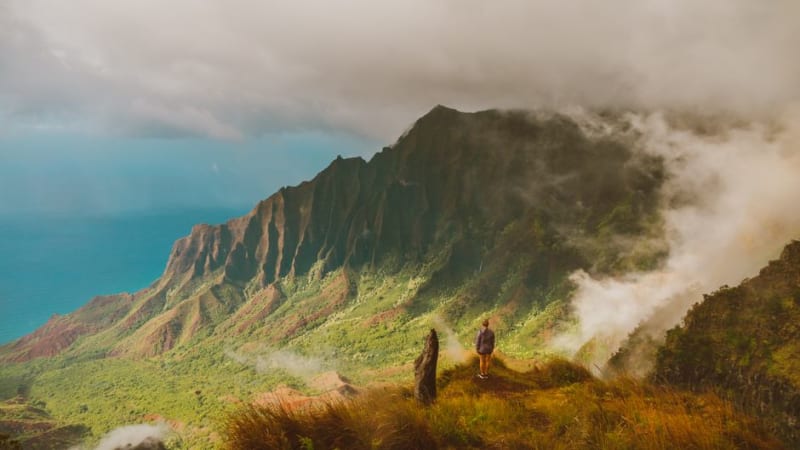 hawaii
 Kalaupapa Lookout
The overlook above Molokai's north shore where the peninsula and the world's tallest sea cliffs appear together in one impossible frame, no mule ride required.
Explore