Iolani Palace
"I've stood in a lot of former palaces. This is the only one where the fall of the kingdom happened in the lifetime of people whose grandchildren are still alive."
The only royal palace on American soil, where a queen was tried for treason in her own throne room after her kingdom was taken from her.
I’ll admit I booked the Iolani Palace tour mostly to fill a gap between Chinatown and lunch. I left an hour and a half later having had the single most sobering history lesson of the entire trip, and I mean that as the highest compliment I can give a fifty-dollar audio tour.
A Palace More Modern Than the White House
King Kalākaua built Iolani Palace in 1882 with electric lighting and indoor plumbing installed before the White House had either — telephones connected the palace to the harbor before most of Washington had a working line. Walking through the throne room, the state dining room, the king’s library stacked with books on international law and diplomacy, the picture that forms is of a sophisticated constitutional monarchy actively engaging the modern world on its own terms, not the grass-hut stereotype so much popular culture still defaults to.
The Room Where It Ended
The moment that stopped me was upstairs, in the room where Queen Liliʻuokalani — Kalākaua’s sister and successor — was held under house arrest for eight months in 1895, after a coup backed by American businessmen and marines overthrew the kingdom two years earlier. She was tried for treason in her own throne room downstairs. The quilt she stitched during her imprisonment, panel by panel, documenting her feelings in fabric because she wasn’t permitted to write freely, is on display in that same upstairs bedroom. Lia read every placard in that room twice. I didn’t rush her.
Why This Belongs on Every Itinerary
Most visitors fly in for the beaches and never learn that Hawaii was an internationally recognized sovereign nation, with treaties and embassies, until 1893 — and that annexation by the United States in 1898 happened over the explicit objection of a formal Hawaiian protest signed by tens of thousands of citizens. The palace tour doesn’t lecture; the docents let the rooms and the objects make the case. It reframed the entire rest of my trip, including how I thought about the resorts and military bases built on land that changed hands under circumstances nobody at those resorts tends to mention.
When to go: Book the guided tour online in advance — self-guided audio slots sell out by midday in high season. Go early to combine it with Chinatown and the nearby Kawaiaha’o Church before the afternoon heat sets in downtown Honolulu.
Keep exploring
More from Hawai'i
 hawaii
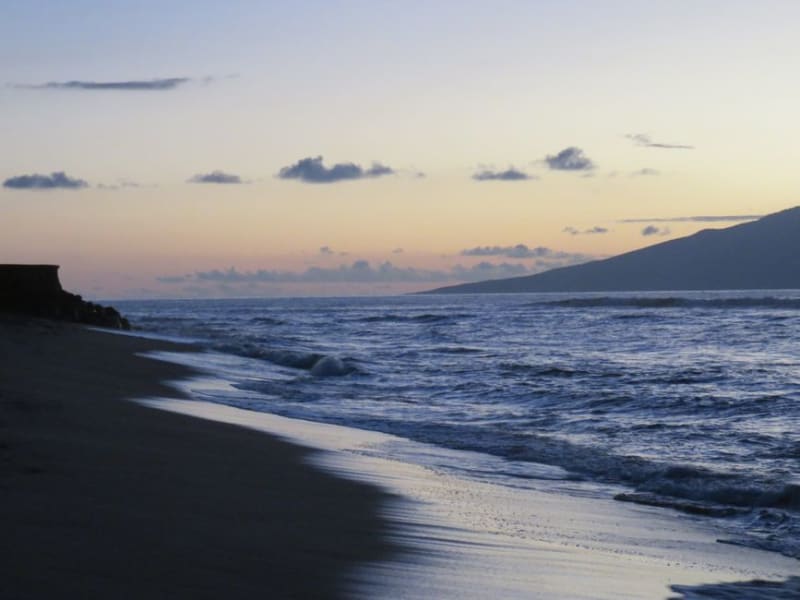
 Kaanapali Beach
Maui's original resort coast — three miles of white sand, snorkeling at Black Rock, and sunset cliff-diving traditions still performed each evening.
Explore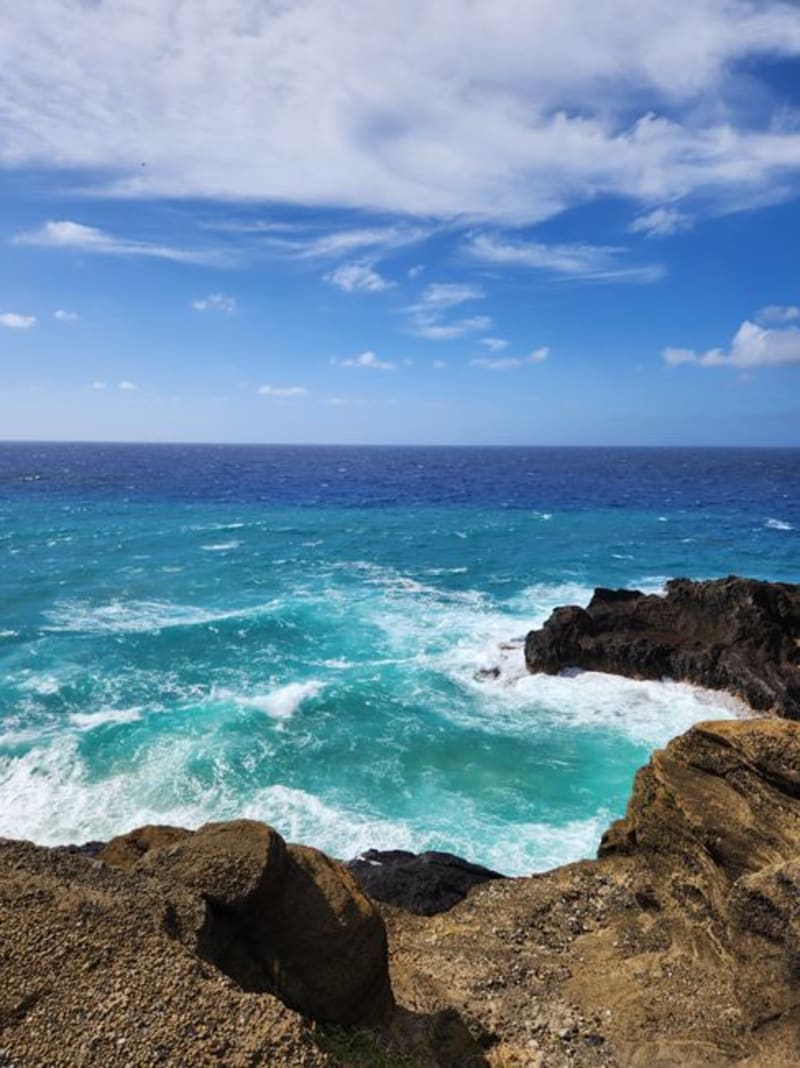 hawaii
 Kaena Point
Oahu's wild, roadless tip — a red-dirt trail through a nesting seabird sanctuary where monk seals haul out and the pavement simply stops.
Explore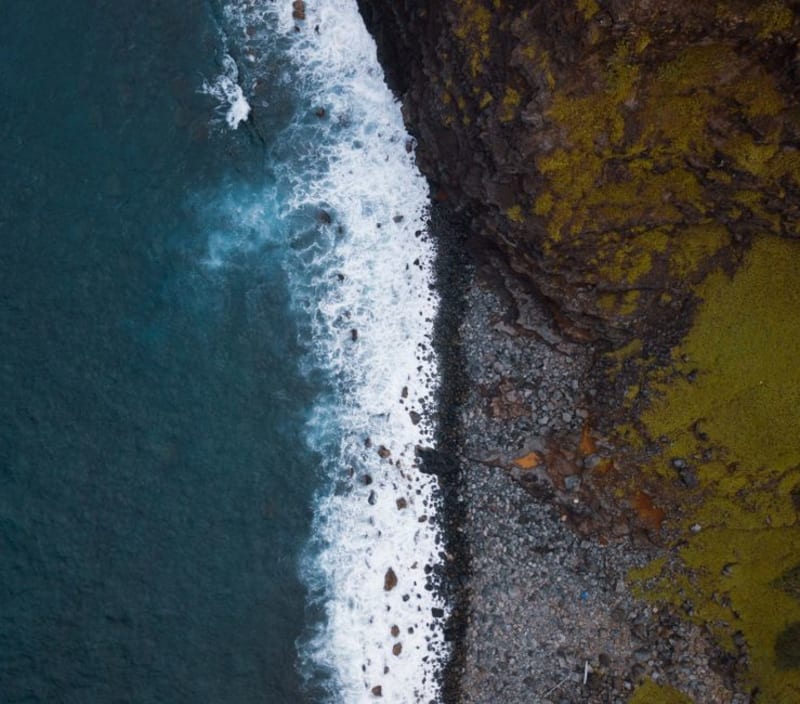 hawaii
 Kahakuloa
A remote taro-farming village at the end of West Maui's cliffside road, one of the last places on the island where old Hawaii hasn't been paved over.
Explore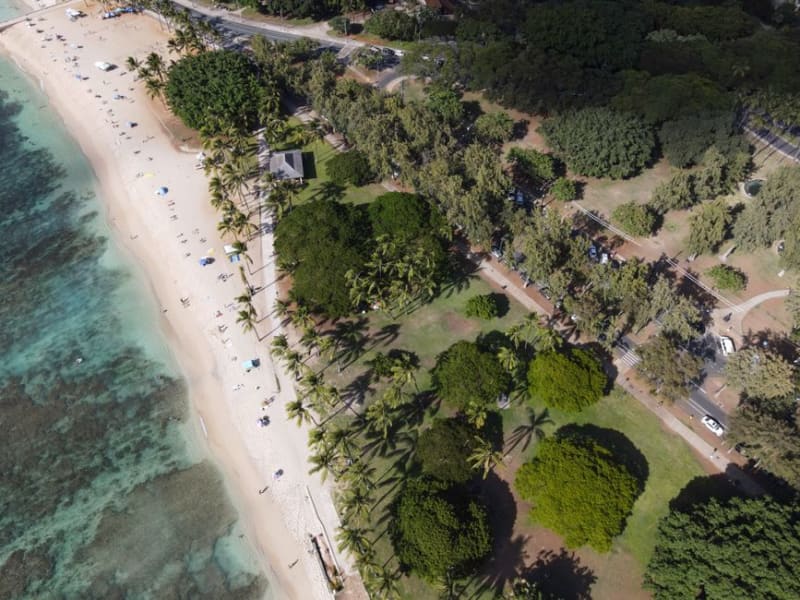 hawaii
 Kahekili Beach Park
A protected 'Turtle Town' snorkeling reef just north of Ka'anapali, popular with green sea turtles and a local surf and canoe scene most resort guests never notice.
Explore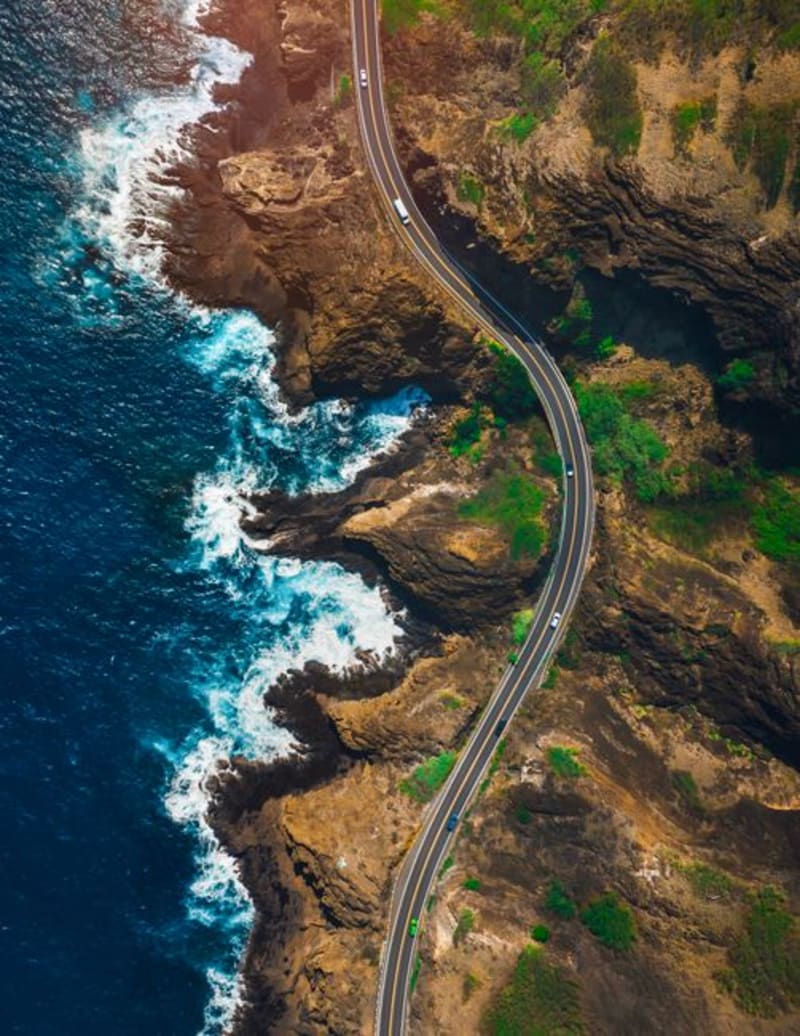 hawaii
 Kamehameha V Highway
The east-end coastal road on Molokai that turns a forty-minute drive into a two-hour event, threading fishponds, one-lane bridges, and jungle so thick it presses against the windshield.
Explore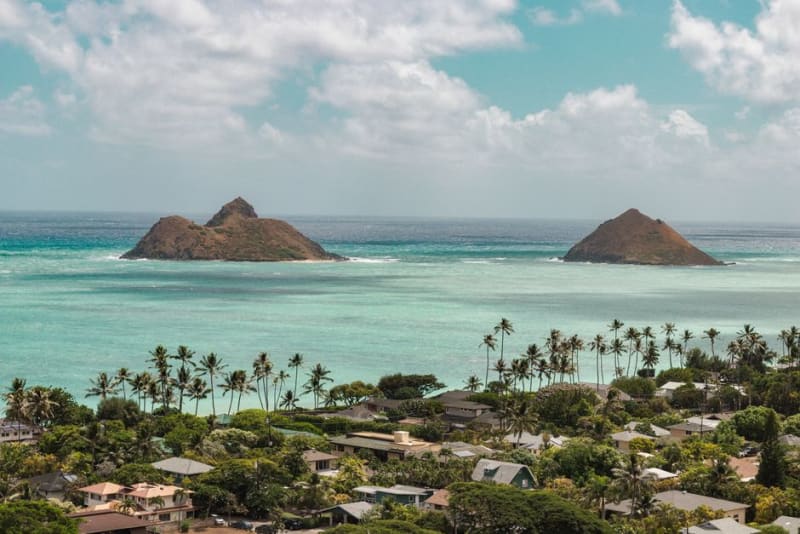 hawaii
 Kailua
The beach town Waikiki wishes it still was — powder sand, kayaks to the Mokulua islands, and a main street with no high-rises in sight.
Explore