Active lava, snow-capped summits, black sand beaches, and eleven climate zones on a single island.

The Big Island (officially Hawai’i Island) is the youngest, largest, and most geologically dramatic island in the Hawaiian chain. It contains eleven of the world’s thirteen climate zones — from tropical rainforest to subarctic tundra — and an active volcano that has been building new land for four decades. This is not the Hawai’i of resort beaches. This is Hawai’i as a geological event.
Hawai’i Volcanoes National Park is the anchor. Kīlauea, one of the most active volcanoes on earth, sits at the centre. The Halema’uma’u crater glows orange at night when the lava lake is active. The Chain of Craters Road descends through sequential lava flows — each dated, each a different texture — to the coast where the road simply ends where lava buried it. The Thurston Lava Tube is a walk-through tunnel formed by flowing lava centuries ago.
Mauna Kea — 4,207 meters — is the highest point in Hawai’i and, measured from its ocean-floor base, the tallest mountain on Earth. Drive to the summit at sunset (4WD mandatory) for a sky that makes every other stargazing experience feel like a rehearsal.
The Kona Coast is the dry, sunny side — coffee farms (Kona coffee is grown only here), excellent snorkeling at Kealakekua Bay (Captain Cook’s landing site), and manta ray night dives that are among the most magical wildlife encounters in the Pacific.
The Hamakua Coast on the wet east side is waterfalls, tropical jungle, and the Waipi’o Valley — a mile-wide amphitheatre accessible by steep 4WD road, with taro fields, wild horses, and a black sand beach at the bottom.
When to go: Year-round. The Kona side is sunny and dry. The Hilo side rains frequently. Winter brings whale watching. The volcano is active on its own schedule.
Keep exploring
More from Hawai'i
 hawaii
 Bishop Museum
The archive of an entire vanished kingdom, built by a widower for his wife's memory and now the deepest collection of Hawaiian and Pacific culture on earth.
Explore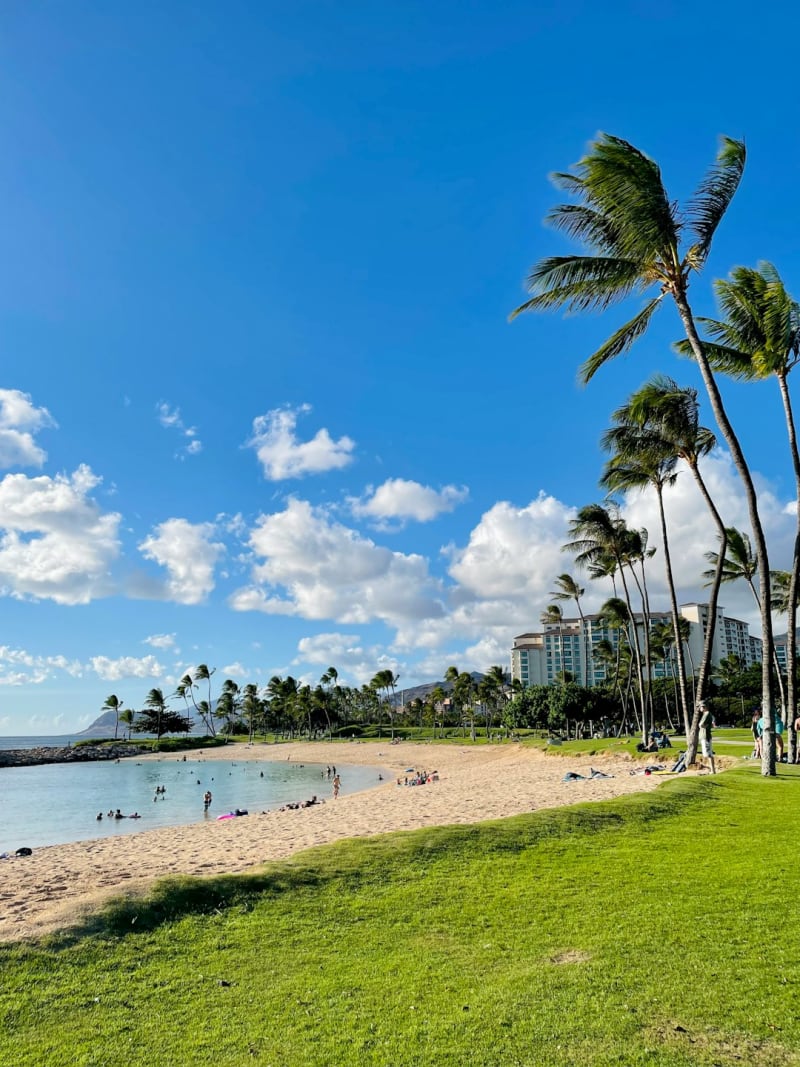 hawaii
 Chinatown Honolulu
Herbalists, lei stands, and a First Friday art walk in the fifteen blocks that feel least like anyone's idea of Hawaii — and are all the better for it.
Explore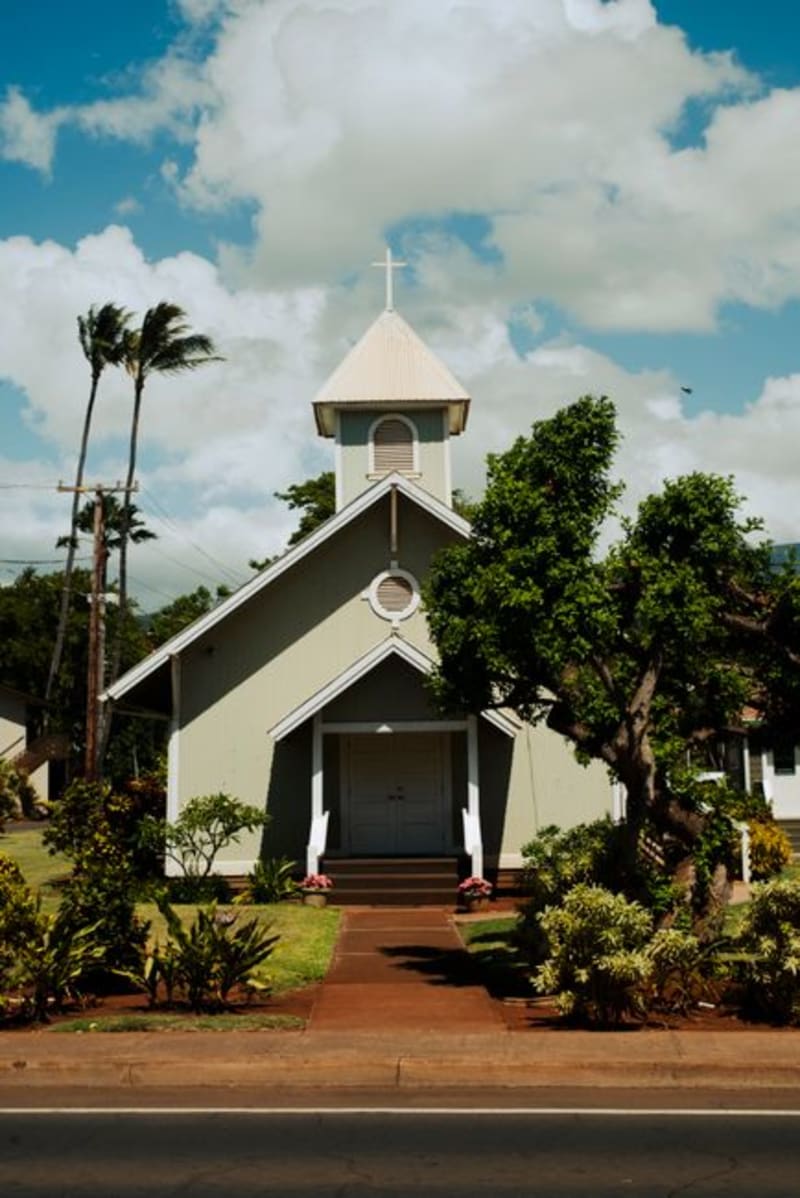 hawaii
 Father Damien's Church at Kalaupapa
The small white church built by hand at the Kalaupapa settlement, where a Belgian priest chose exile alongside patients no one else would touch, and later died of the disease himself.
Explore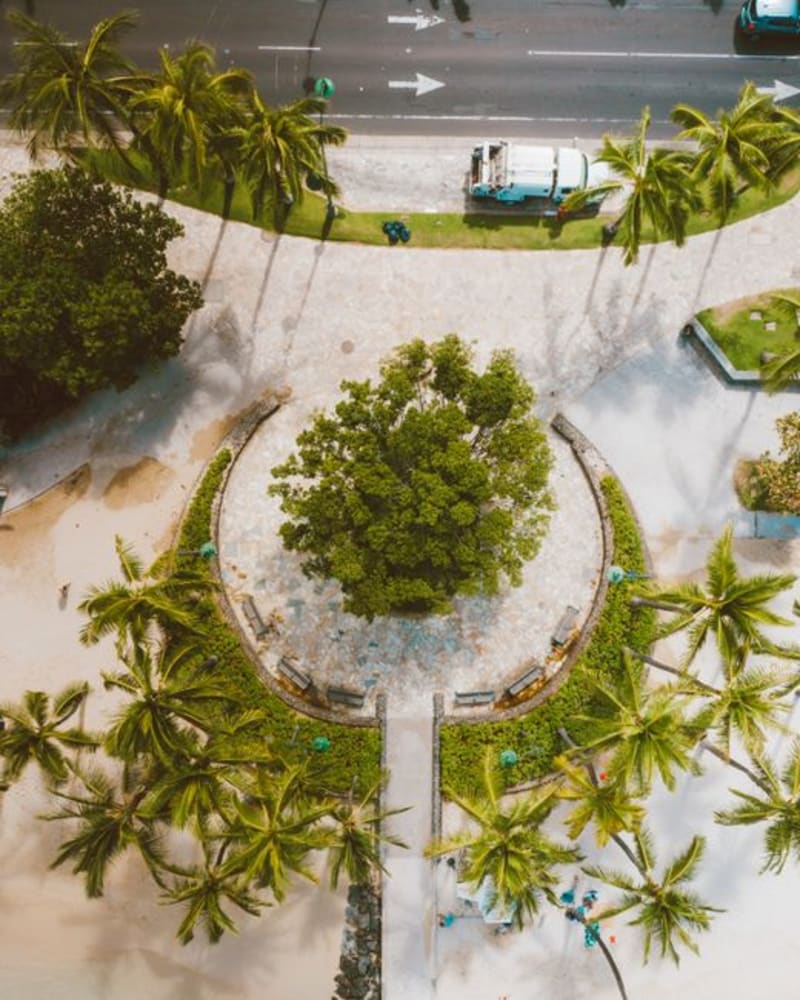 hawaii
 Dole Park
The plantation-era town square at the heart of Lanai City, ringed by Norfolk pines and faded storefronts, where the whole island still gathers for anything worth gathering for.
Explore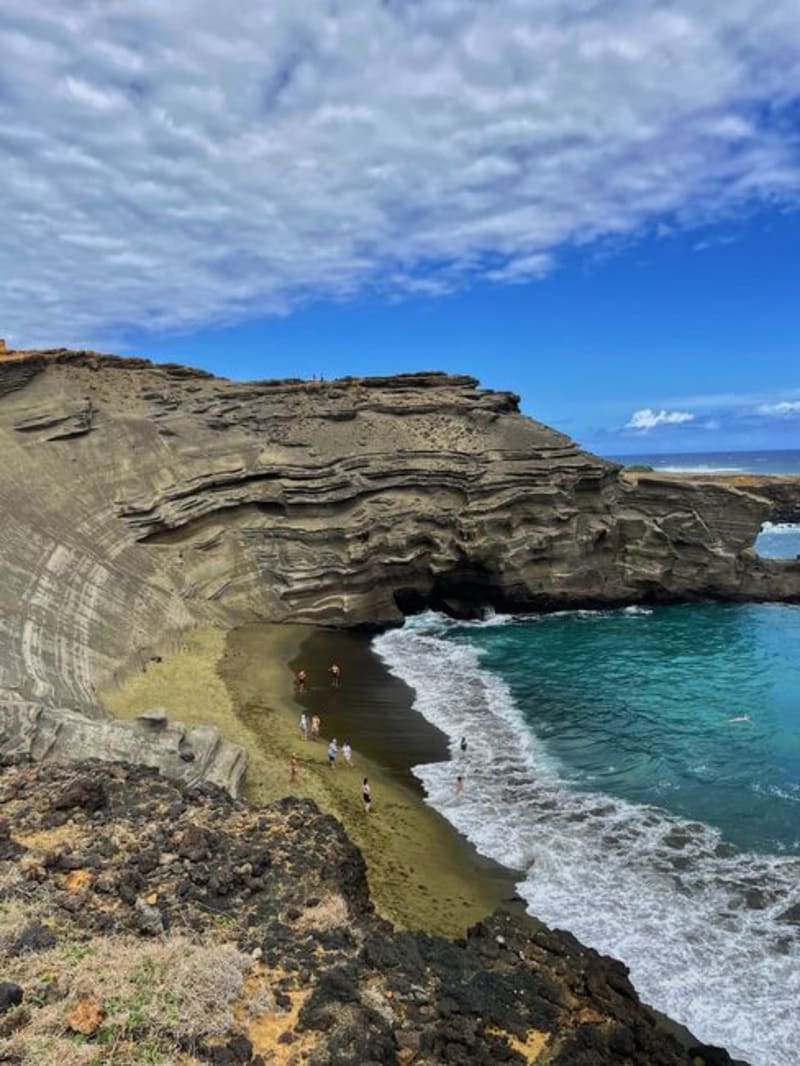 hawaii
 Green Sand Beach
A remote olivine-crystal beach near South Point, reached by a rutted coastal walk or a bone-rattling truck ride along the island's windiest edge.
Explore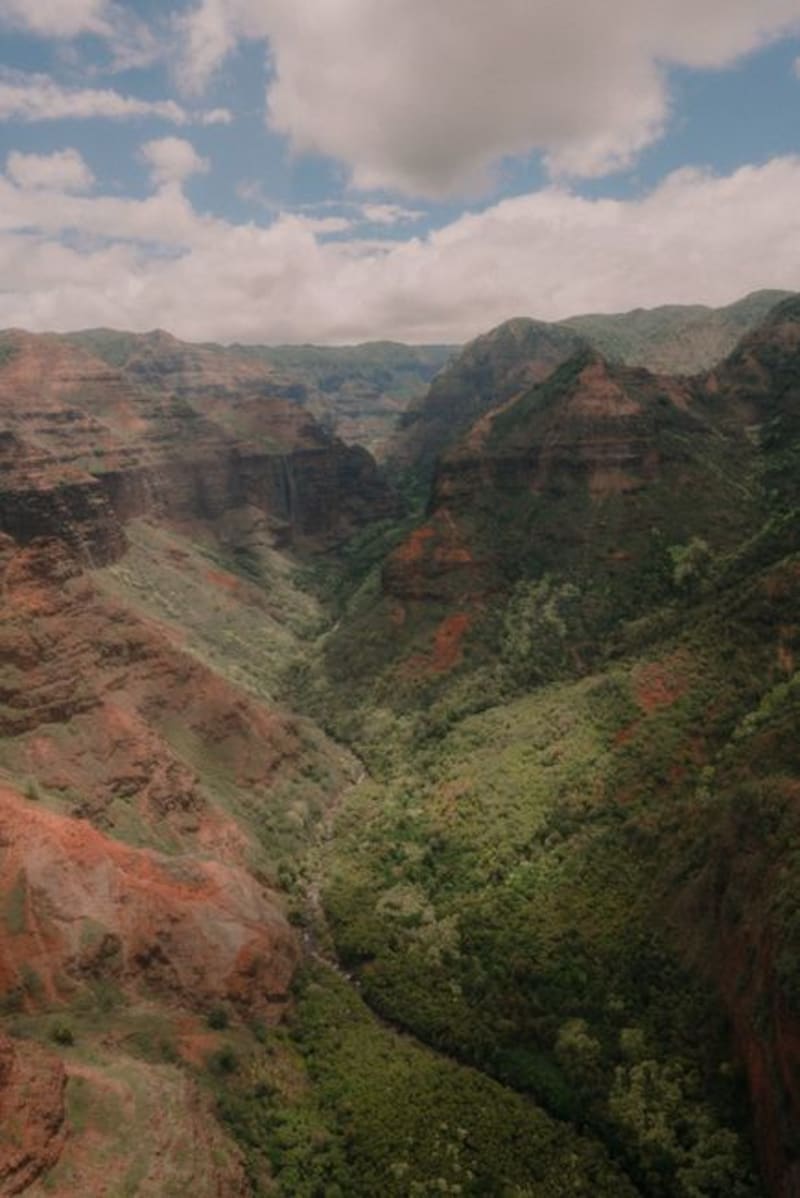 hawaii
 Halawa Valley
Molokai's oldest continuously inhabited valley, reachable only by guided hike, where a Native Hawaiian family shares taro farming traditions dating back a thousand years.
Explore