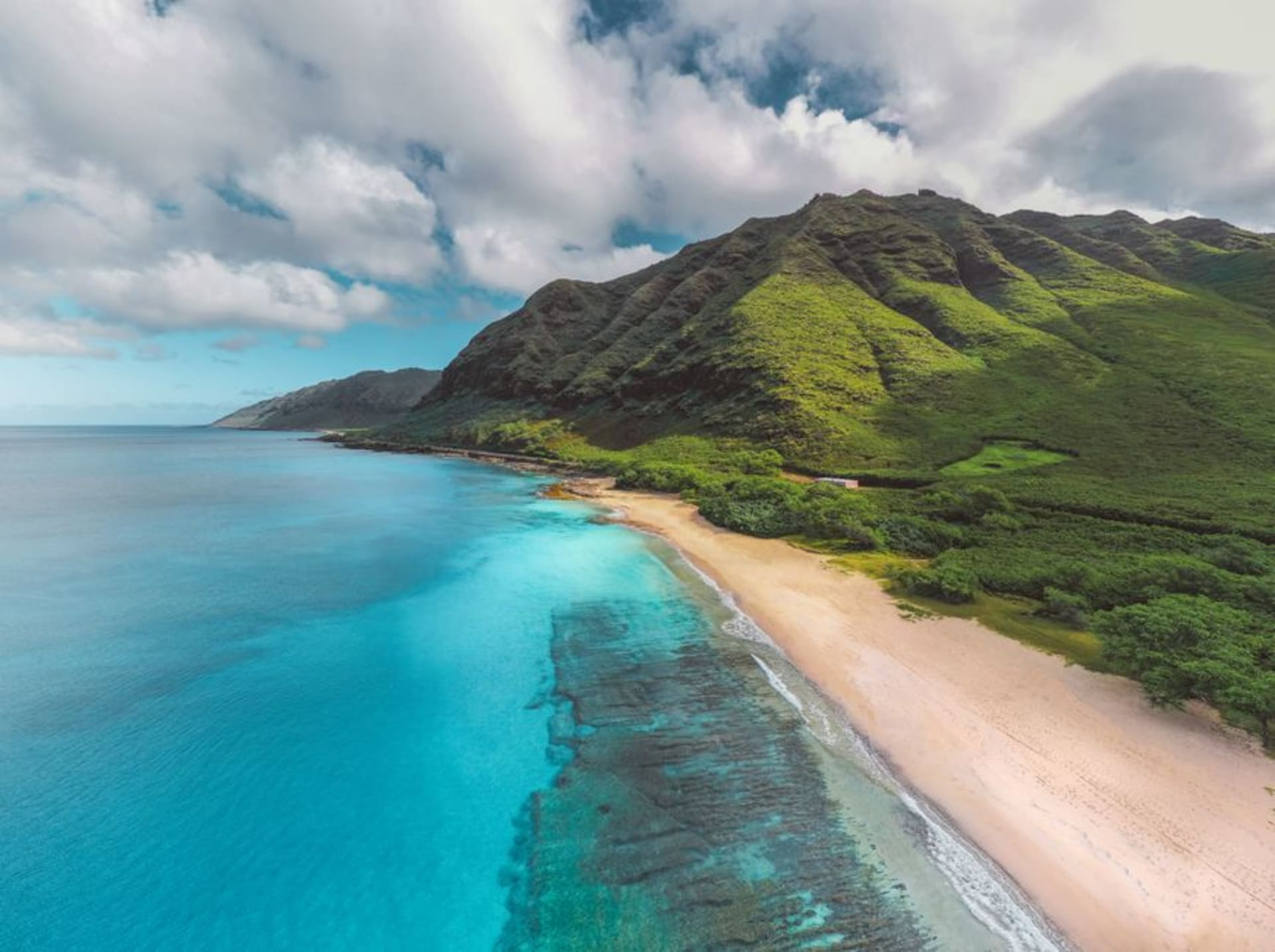
A north shore lagoon so calm the guidebooks call it the safest swimming beach on Kaua'i, guarded by the island's longest fringing reef.
Everyone who has read a single paragraph about Kaua’i’s north shore knows to be wary of the water — the same swells that make Hanalei Bay a winter surf destination make most of that coastline dangerous for casual swimming half the year. Anini is the exception, and it took a local guy fixing our rental car’s flat tire to tell us about it. “You want to actually swim, not just look at the ocean,” he said, “go to Anini.” He was right in a way that made us slightly annoyed at every guidebook we’d read.
The Longest Reef on the Island
Anini sits behind Kaua’i’s most extensive fringing reef, which runs nearly two miles and keeps the lagoon inside flat as a lake almost regardless of what the open ocean is doing beyond it. Lia, who is a competent but nervous ocean swimmer, spent close to two hours doing slow laps parallel to the shore without once feeling the pull of a current. Kids were doing the same thing thirty meters away with pool noodles. It’s that kind of place — low-stakes, unhurried, the opposite of the North Shore’s reputation.
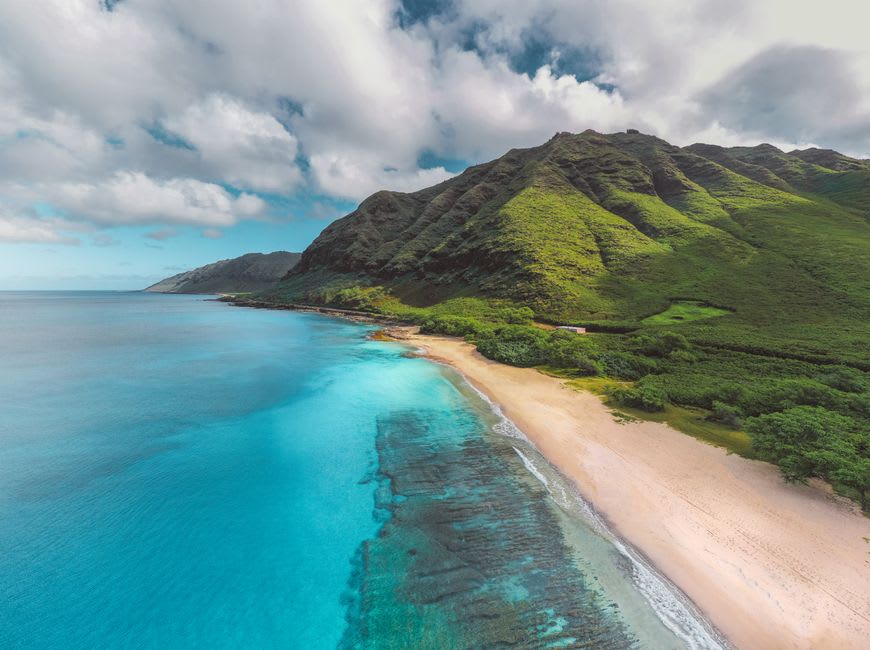
A Beach Park With No Crowd
The beach park itself is a long grass strip under ironwood trees, with picnic tables spaced far enough apart that you never feel like you’re sharing the view with anyone. There’s a boat ramp at one end used by local fishermen and a windsurfing crowd that shows up when trade winds pick up in the afternoon — we watched a father teach his daughter to windsurf in water barely past her waist, which is not a scene you get at Hanalei or Ke’e.
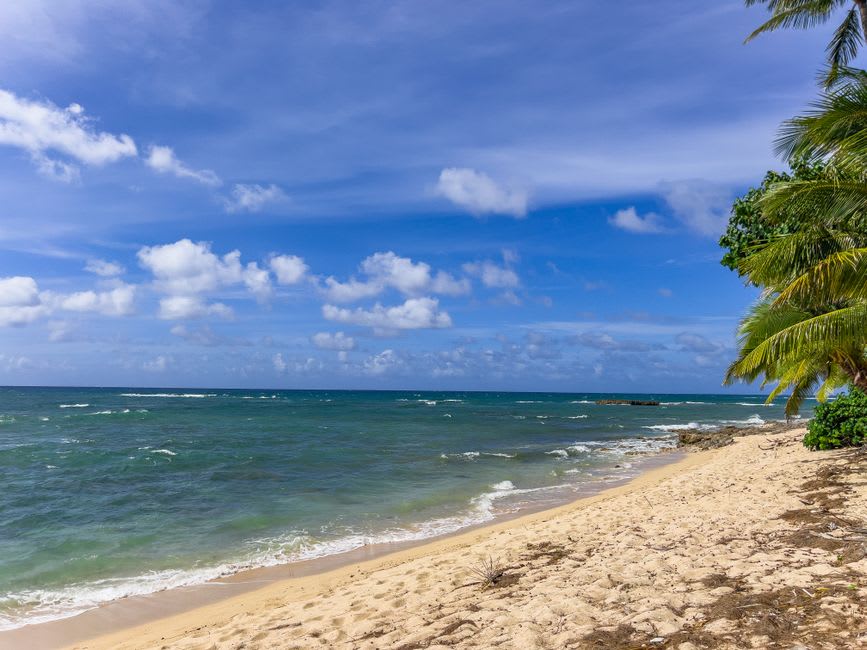
Snorkeling Without the Performance
The reef holds a genuinely good population of reef fish — parrotfish, needlefish, the occasional ray in the sandier patches near the channel — but almost nobody was snorkeling when we visited, which after the scrum at Ke’e Beach a few days earlier felt like a private aquarium. There’s no snack stand and no rental hut, so bring your own gear and water; the lack of infrastructure is exactly why it stays quiet.
When to go: Year-round, but summer (May to September) brings the calmest conditions across the reef flat. Winter can bring bigger surf outside the reef line, though the lagoon itself stays comparatively protected.