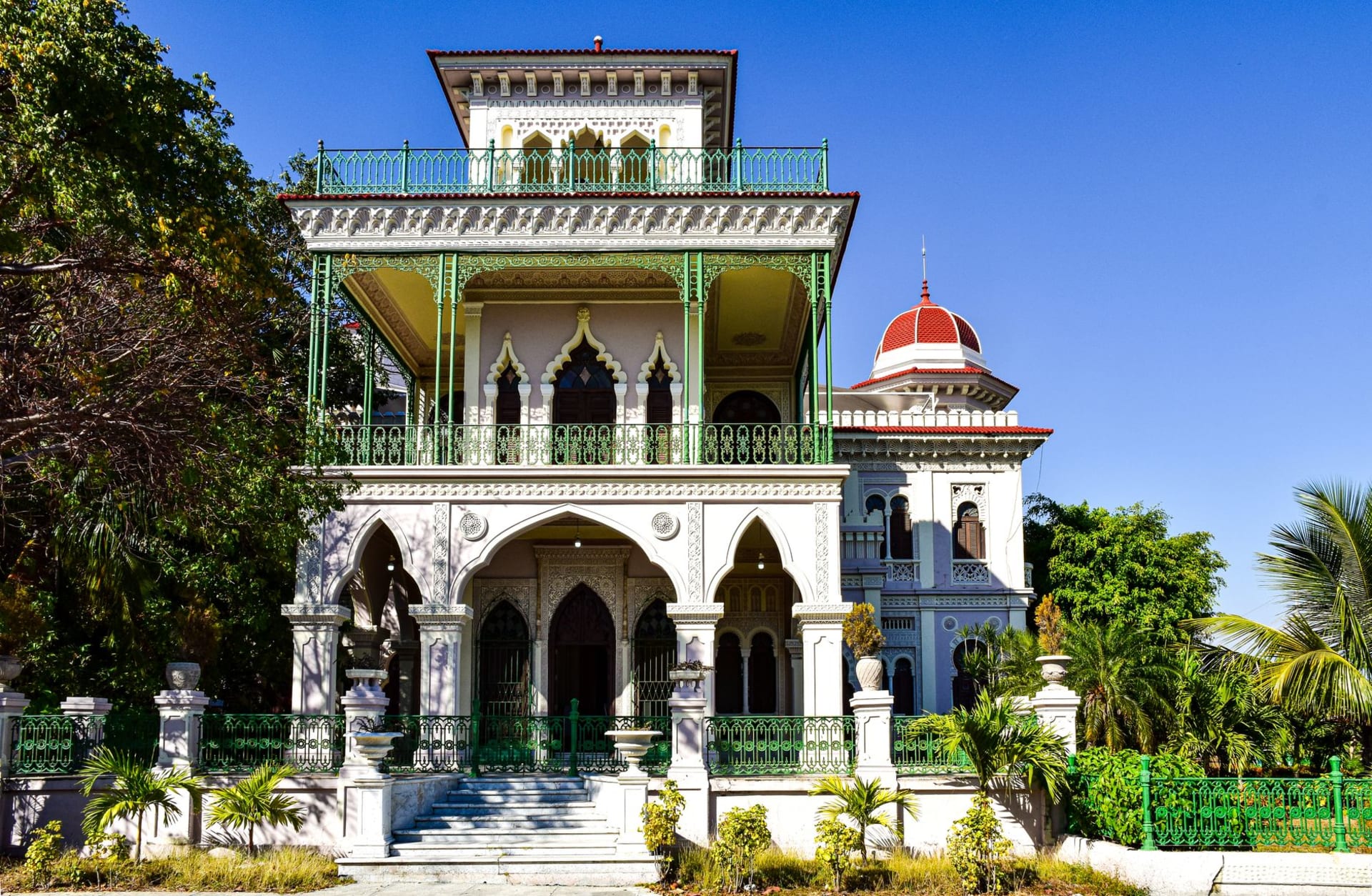
Sans-Souci Palace
"Sans-Souci is what ambition looks like when the earthquake gets there first."
The Haitians named it after Sanssouci, Frederick the Great’s summer palace in Potsdam, and the reference was intentional. Henri Christophe — former slave, revolutionary general, self-declared King Henri I of northern Haiti — built Sans-Souci Palace in the village of Milot in the first decade of the nineteenth century as a statement of cultural parity with European royal courts. The name was a declaration: we have this too. We have grandeur, art, science, a court with its own rituals and its own magnificence. The 1842 earthquake that reduced much of the structure to the spectacular ruin you see today did not erase the declaration. If anything, it made the ambition more visible by exposing what had been inside.
I came to Milot in the morning on a moto-taxi from Cap-Haïtien, a twenty-minute ride on a road that winds through the agricultural northern plain. The village itself is small and unremarkable, and the entrance to the palace grounds is announced by a UNESCO sign that somehow makes the whole thing feel both more and less official. You pay a modest fee and walk in past trees that have been growing undisturbed for decades.
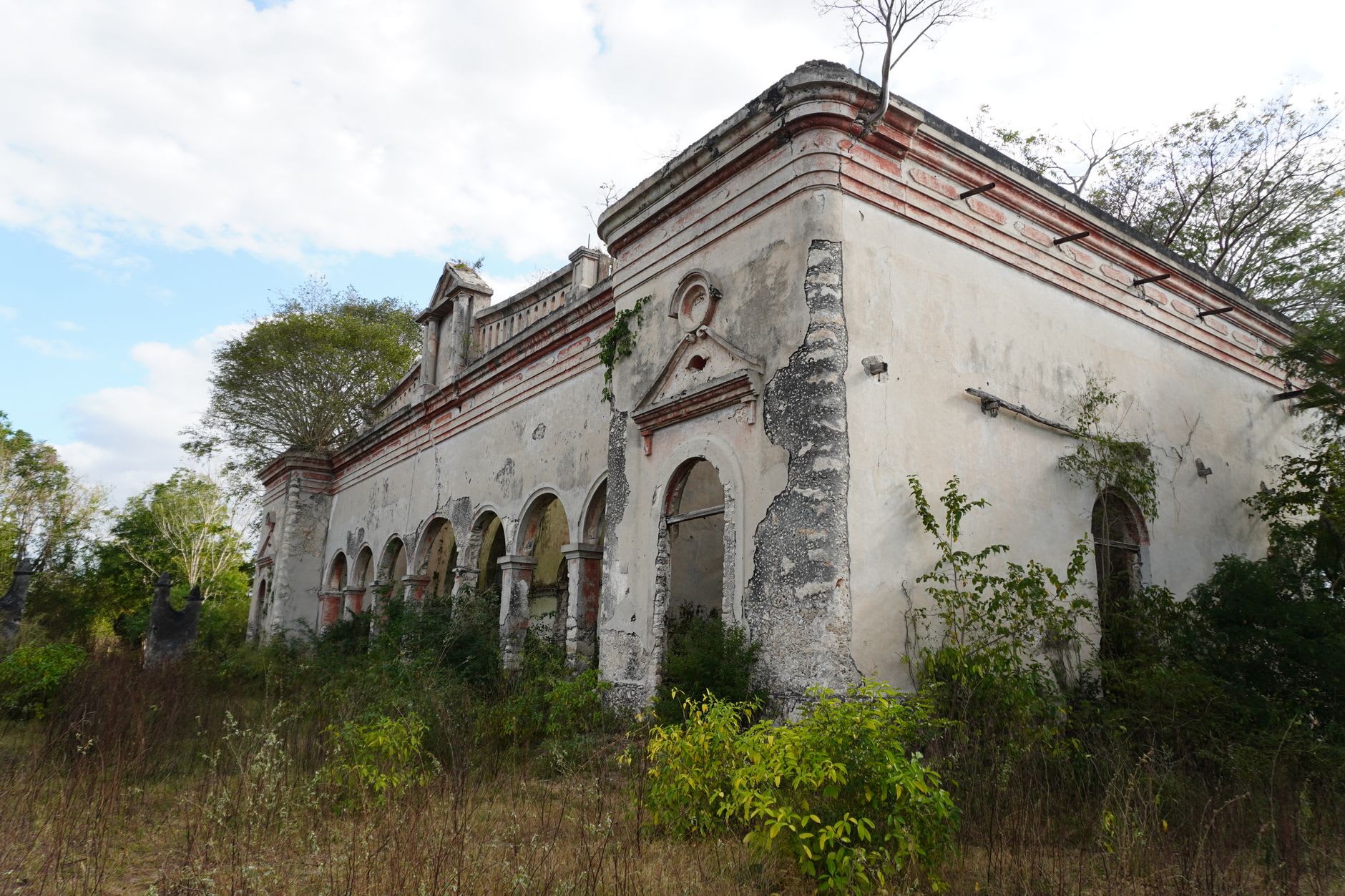
What you find inside is a ruin on a scale that requires a few minutes to comprehend. The palace had multiple stories, royal apartments, a throne room, fountains fed by an aqueduct that Christophe had built specifically for the purpose, gardens, a church, barracks. The earthquake took the roof and much of the interior structure, leaving the outer walls standing to varying heights, some interior walls intact, staircases leading to floors that no longer exist, archways framing sky. Trees have grown up through the floor of what was the throne room. Ferns hang from the gaps where windows used to be.
The guides who work the site know it well and tell the story of Christophe with a complexity that the simplified revolutionary narrative usually flattens. He was brilliant and despotic in roughly equal measure: the man who built the Citadelle and the palace and established a kingdom with its own nobility and court culture was also the man who drove those tens of thousands of workers under brutal conditions, and whose authoritarian rule eventually prompted the rebellion that led to his suicide in 1820. The palace was abandoned after his death and never restored; the earthquake twenty-two years later did the rest. “He was a man who wanted to be remembered,” my guide said, looking up at a roofless wall. “He is remembered. Just not the way he planned.”
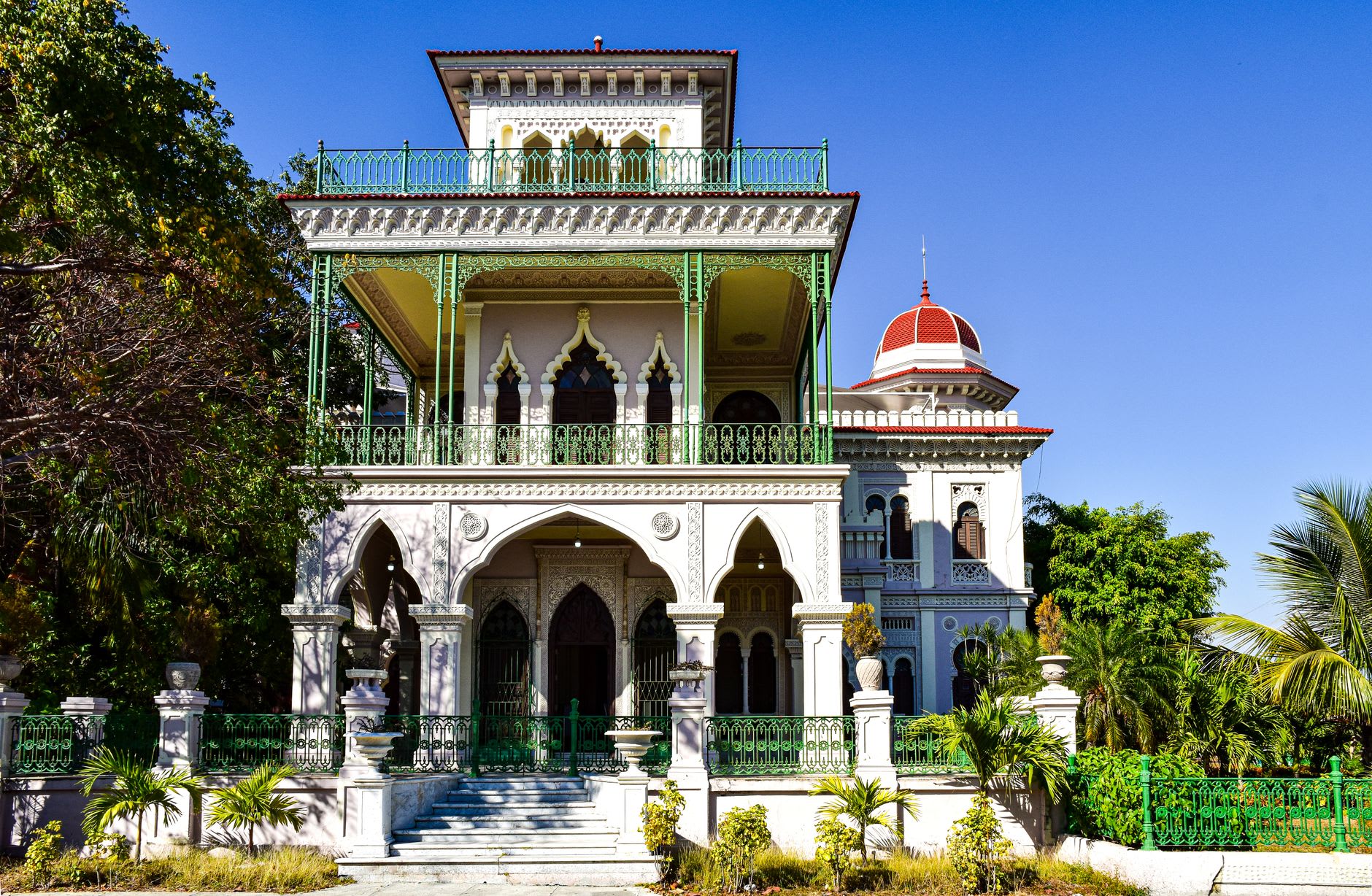
What I found most moving was the aqueduct. It still works — or parts of it do. The channel that Christophe built to bring water down from the mountains runs along the edge of the site, and in places the water still moves through it. An eighteenth-century engineering solution, built by hand by thousands of people, continuing to function as designed, largely unremarked upon, in the ruins of a palace that no longer has a roof. There was something in that specific detail that told me more about Haiti — about what endures here, about what gets built and what gets destroyed and what keeps running regardless — than most of what I read before I came.
When to go: The palace is open year-round and most visitors come on the same day as the Citadelle, which is up the mountain from Milot. December through March is best for the north generally. Arrive at the palace first in the morning, before the heat peaks, then do the Citadelle in the late morning. The combination takes a full day and is worth every hour.