Caribbean
Haiti
"Haiti hit me harder than any place I've been, and I wasn't ready."
I landed in Port-au-Prince on a Tuesday afternoon in late November, and the air hit me like a wall — diesel, frangipani, something frying nearby I couldn’t identify yet. The road from the airport was chaos in the best sense: tap-taps painted in neons and biblical verses, vendors weaving between stopped traffic with towers of mangoes balanced on their heads, a man selling single cigarettes from a tray hung around his neck. I had read everything I could find about Haiti before coming, and still none of it prepared me for the sheer density of the place, the way life operates at a frequency that makes most other Caribbean destinations feel staged by comparison.
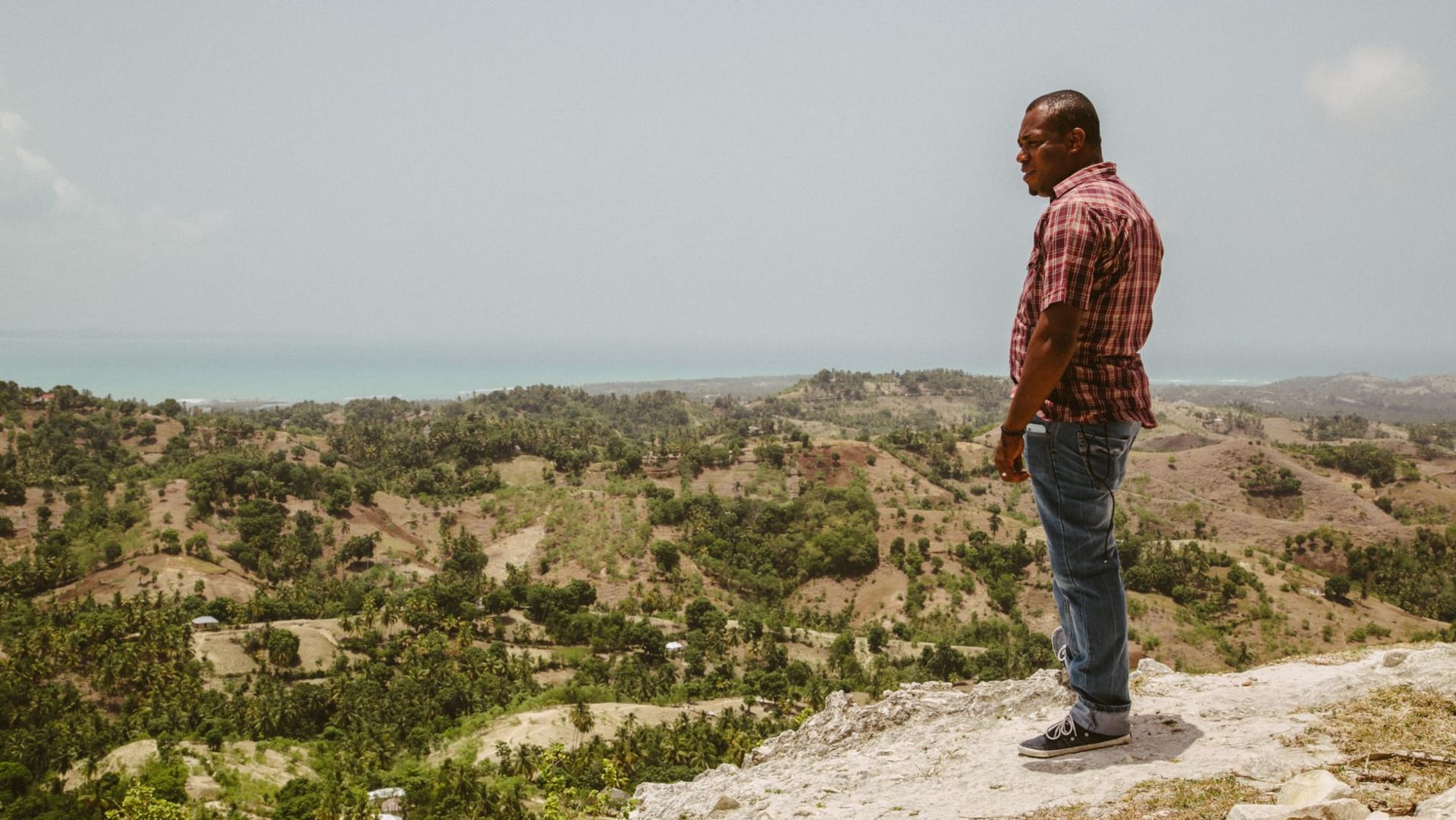
The north is where I understood what Haiti actually is. Standing on the ridge below the Citadelle Laferrière — that absurd, magnificent fortress Henri Christophe had built with his bare hands and thousands of others’ — I felt something I rarely feel in front of historical monuments: actual weight. This wasn’t a ruin packaged for tourists. The stone walls are ten feet thick. The cannons are still there. The view down into the valleys is terrifying. The climb up from Milot takes about an hour on horseback or two on foot, and the trail passes through banana groves and past women carrying laundry on their heads going the other direction. Nobody is performing anything for you. The place simply exists, indifferent to your arrival.
The food was the other revelation. Griot — fried pork seasoned with bitter orange and scotch bonnet, served with pikliz, the vinegary cabbage and carrot slaw that Haitian cooks pile on everything — is one of the best things I have eaten anywhere. I had it first from a woman running a cuve out of her courtyard in Cap-Haïtien, the kind of place with no sign, just a smell that stops you mid-stride. Rice and beans cooked in coconut milk, called riz collé, showed up at every meal and I never tired of it. Haitian rum — Barbancourt especially — deserves its own paragraph that I’ll spare you, except to say: drink it neat, late, outside.
When to go: November through March is the dry season and the most comfortable. December and January see reliable sun in the north around Cap-Haïtien and the Citadelle. Avoid September and October — hurricane season peaks and the roads in the mountains become impassable. The summer months are hot and wet but prices drop and crowds thin to almost nothing.
What most guides get wrong: Haiti is not a disaster zone waiting to be pitied or a tragedy to be witnessed from a safe distance. That framing — which dominates most Western coverage — flattens a country with extraordinary art, extraordinary food, and a history that should make every colonized or formerly colonized nation feel something close to kinship. The instability is real and you need to check current conditions before traveling. But treating Haiti as purely a humanitarian story is its own kind of violence. Go for the Citadelle, stay for the griot, come back for everything you missed the first time.