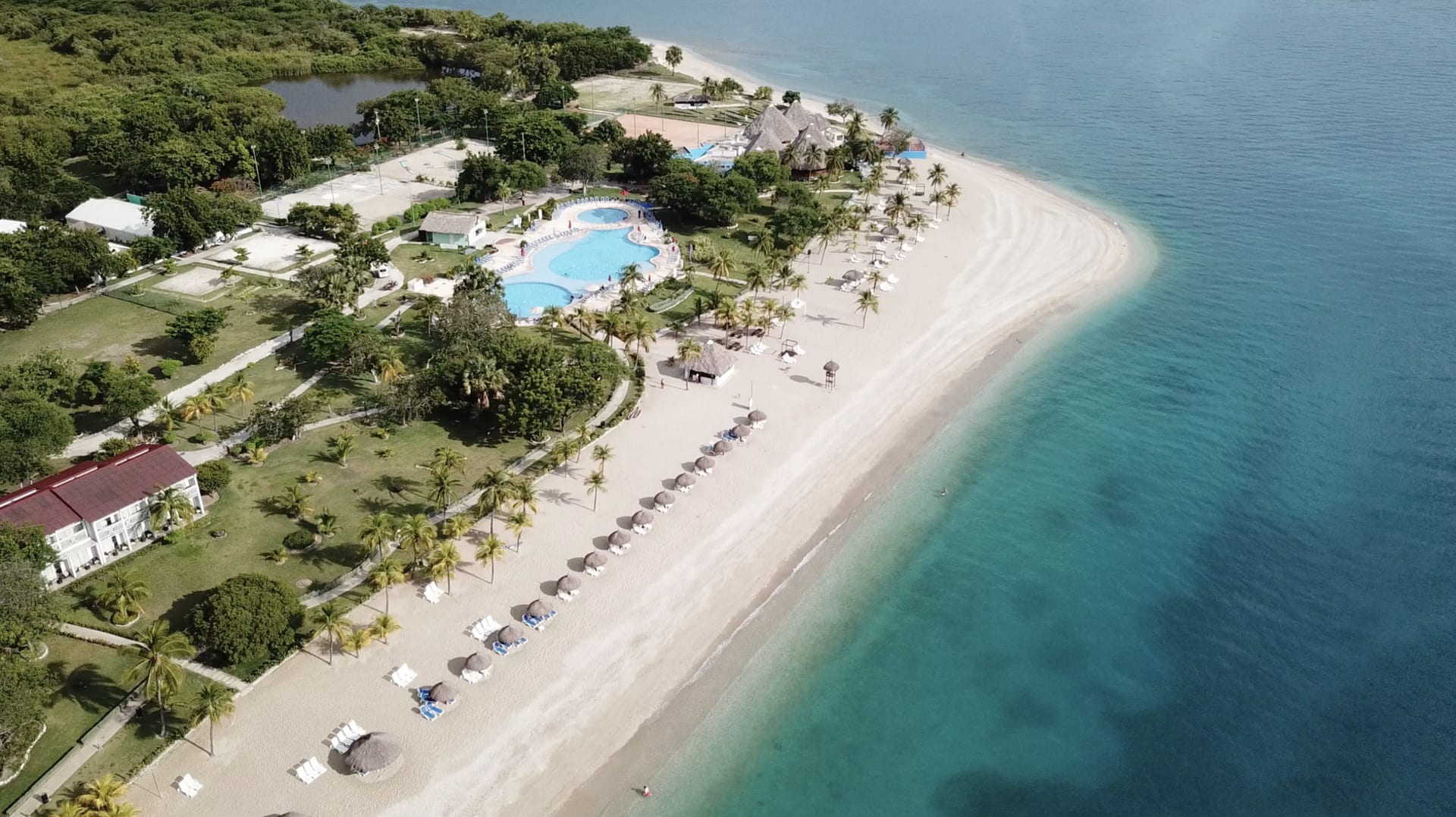
The collectivo up from downtown Port-au-Prince deposits you at the Place Saint-Pierre in Pétion-Ville at an elevation where the air cools noticeably and the perspective on the city below opens. You can see Port-au-Prince from here the way a doctor reads an X-ray: the density and the spread of it, the slums folding up into hillsides, the harbor catching whatever light is left in the afternoon, and then this neighborhood, perched above it all with its restaurant terraces and its gallery-lined streets, existing in a relationship to the city below that is complicated enough to deserve your discomfort.
Pétion-Ville is where Port-au-Prince’s professional class, its diaspora returnees, its NGO workers, and its artists have all, for various reasons, landed. It is affluent by Haitian standards in ways that produce sharp juxtapositions — gated mansions and iron-balconied restaurants and, three blocks away, markets selling charcoal and second-hand clothes from the US. I don’t offer this as a criticism of the neighborhood; it is simply the visual reality, and pretending otherwise would be a form of tourism that I find more dishonest than acknowledging it.
What draws me here — what drew me back twice during my time in Haiti — is the art. Haitian painting has a specific gravity. The tradition of naïve and primitive painting that emerged in the mid-twentieth century at the Centre d’Art in Port-au-Prince has evolved into something far more complex, and Pétion-Ville is where much of it lives and is sold. The galleries along Rue Panaméricaine and the surrounding streets stock everything from large-scale visionary canvases to smaller works priced for the genuinely interested rather than the merely curious. I bought a small painting of a market scene — flat perspective, the colors pushed to a saturation just above natural — from a gallery owner who spent twenty minutes explaining the history of Haitian art movements before she mentioned the price. The conversation was worth as much as the painting.
The food in Pétion-Ville is the most varied in Haiti, which is both a practical advantage and something worth noting: you can eat Thai or Italian here, and some people do. I preferred to stay in the Haitian register. The small restaurants serving legim — the Haitian vegetable stew of eggplant and watercress and whatever else is going into the pot — served with rice and bean sauce, are quieter and more interesting than the tourist-facing places. A woman named Cécile ran a spot I found on my second day with no English signage, twelve plastic chairs, and a fish in sauce that came with a sweetness I couldn’t place until she told me: a little rum in the braising liquid.
The Iron Market in downtown Port-au-Prince is nearby enough that I’d go down in the mornings and come back up to Pétion-Ville in the afternoons, using the neighborhood as a base that made the whole of the capital more manageable. The Thursday night art market near Place Boyer, where local artists and artisans set up under trees and lights, is worth arranging your schedule around — it is informal and social and the best place I found to talk to Haitian artists on something close to equal footing, without the transactional frame of a gallery visit.
When to go: Pétion-Ville functions year-round as Port-au-Prince’s most active cultural neighborhood. The coolest months (December through February) make the hillside setting particularly pleasant. Thursday evenings are best for the informal art market. Check current security advisories for Port-au-Prince before any visit, and use the neighborhood’s local taxi-moto drivers rather than walking at night.