Labadie
"The bay at Labadie is so beautiful it almost feels unfair — like nature put all its effort into one small curve of coastline."
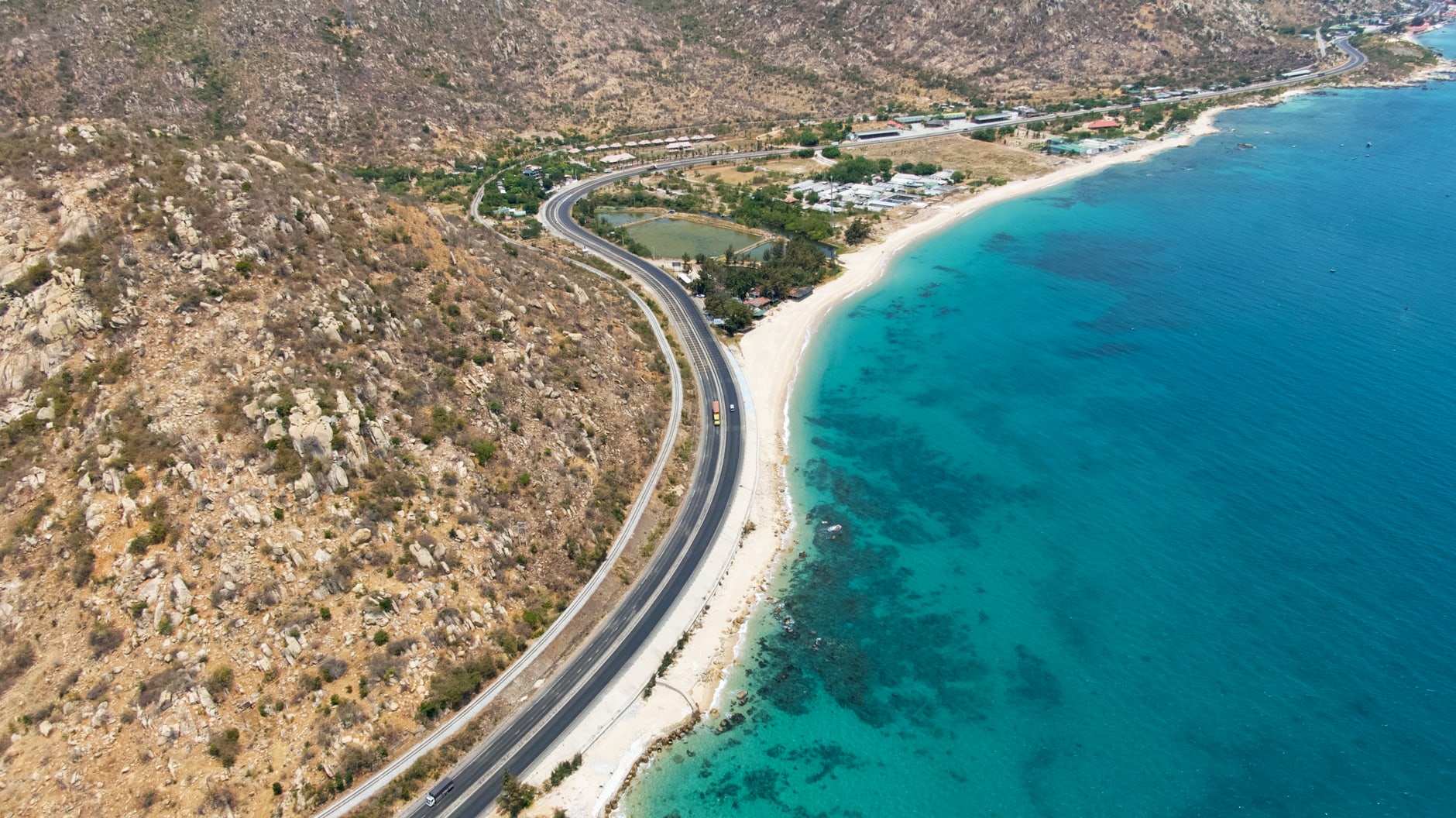
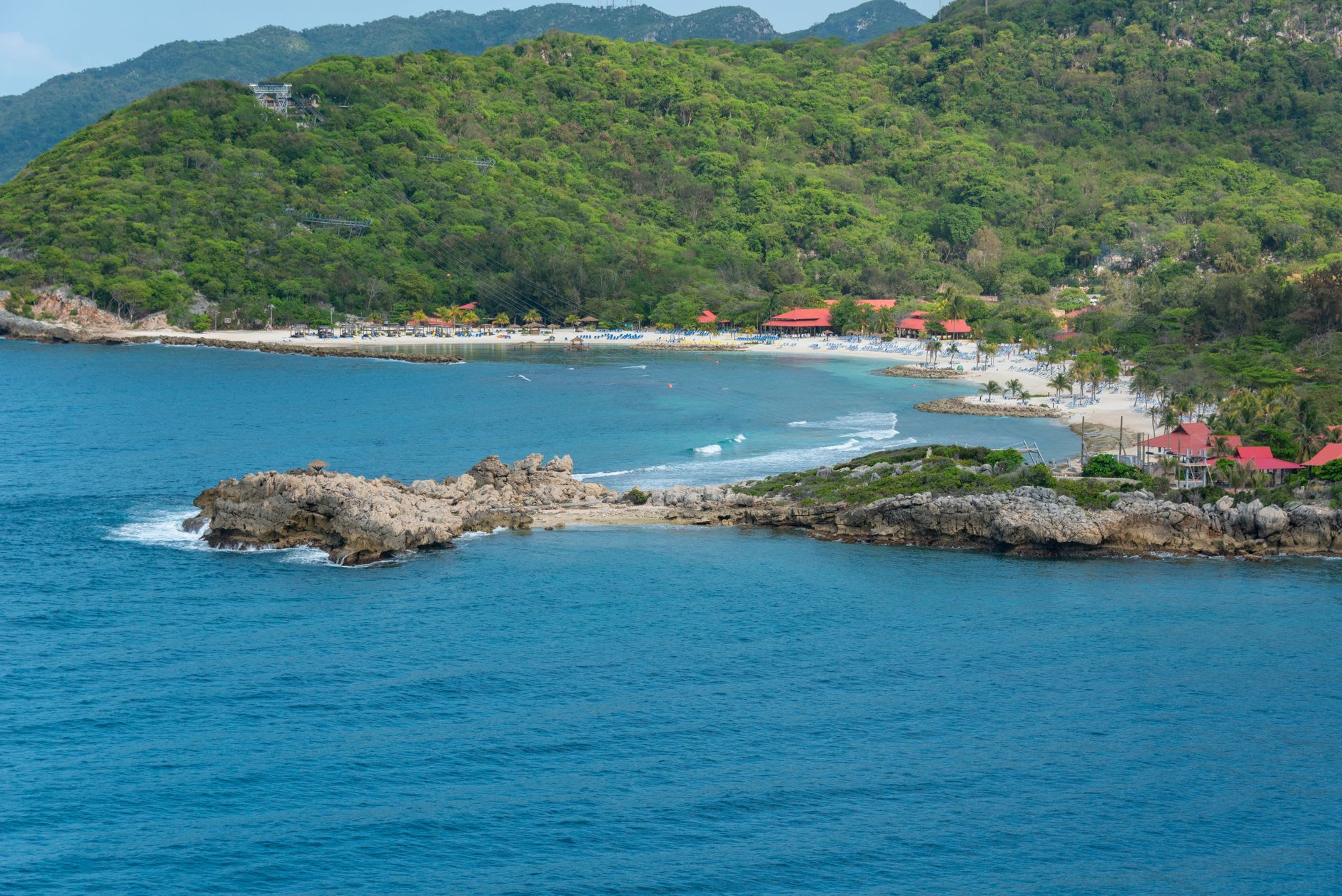
I came to Labadie by boat from Cap-Haïtien, hired from the waterfront for an amount I negotiated down to something that still felt like not enough given what the fisherman then showed me. The passage from the city takes about half an hour across water that changes color as you round the headland — from the busy gray-green of the harbor to something cleaner and more deliberate, and then suddenly into the kind of Caribbean turquoise that used to make me skeptical of travel photographs. The hills above the peninsula are a deep tropical green. The beach curves in a shape that looks designed.
Labadie is known internationally primarily as a cruise ship destination — Royal Caribbean has leased a section of the peninsula for decades, and on the days when ships are in, the private beach section swells with day-trippers who receive Haiti-adjacent but carefully managed Caribbean experience. I want to be honest about this because it affects how you experience the place. On ship days, the area near the private beach has a specific energy. On the other days — and there are many of them — Labadie reverts to something much closer to what it actually is: a Haitian fishing community on a peninsula of extraordinary natural beauty, where the residents are used to visitors but not exclusively organized around serving them.
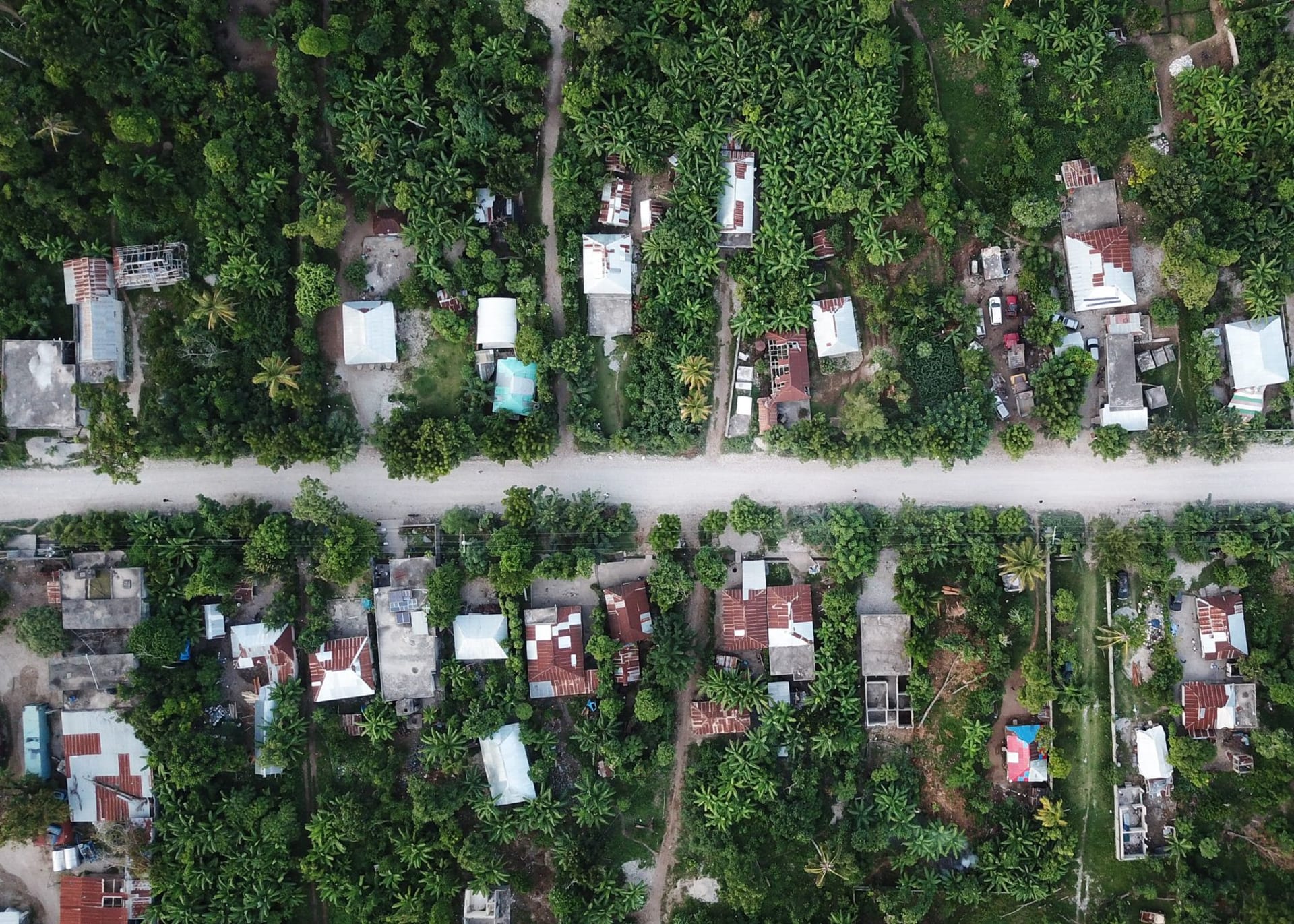
The village of Labadie itself sits at the base of the peninsula, a community of houses in various colors built close to the water, with fishing pirogues pulled up on the beach and children who regard your arrival with the measured interest that suggests they have seen visitors before but haven’t decided what to do about you yet. I spent a morning just walking through, greeted in Kreyòl by people going about their business, the smell of coffee coming from several open doorways. A woman sold me fresh coconut water, the inside of the shell still warm from the sun, and I drank it sitting on a wall looking out at the bay, thinking about how some places carry their beauty without making any effort to perform it.
The snorkeling off the northern point of the peninsula, where the coral reef is still reasonably intact, was the best I found anywhere in Haiti — visibility deep enough to see the reef architecture clearly, parrotfish and wrasse moving in and out of the formations, the occasional spotted eagle ray working the sandy floor between coral heads. I borrowed gear from the guesthouse I was staying at and swam out alone on a morning when the water was flat and the light was doing something extraordinary with the reflection off the white sand bottom. There are dive operators in Cap-Haïtien who run trips out to Labadie for the reef.
The practical experience of Labadie is best on weekdays when cruise ships are not scheduled — check the Cap-Haïtien port schedule, which is publicly available, and plan accordingly. The local guesthouses are small and simple, and the food available in the village is honest and good: grilled fish, fried plantain, rice cooked with coconut, the pikliz that appears on every table in the north as a kind of default seasoning. I had a grilled lobster one evening, haggled from a fisherman who’d come in with it that afternoon, cooked over charcoal by the woman who ran the guesthouse kitchen, served with a half-lime and no apology for the simplicity. It was enough.
When to go: December through March is the clearest and calmest for the boat ride from Cap-Haïtien and for snorkeling. Arrive midweek to avoid cruise ship days. If you want to experience the local rhythm of the community rather than the managed beach, come on a Tuesday or Wednesday and stay at least one night.