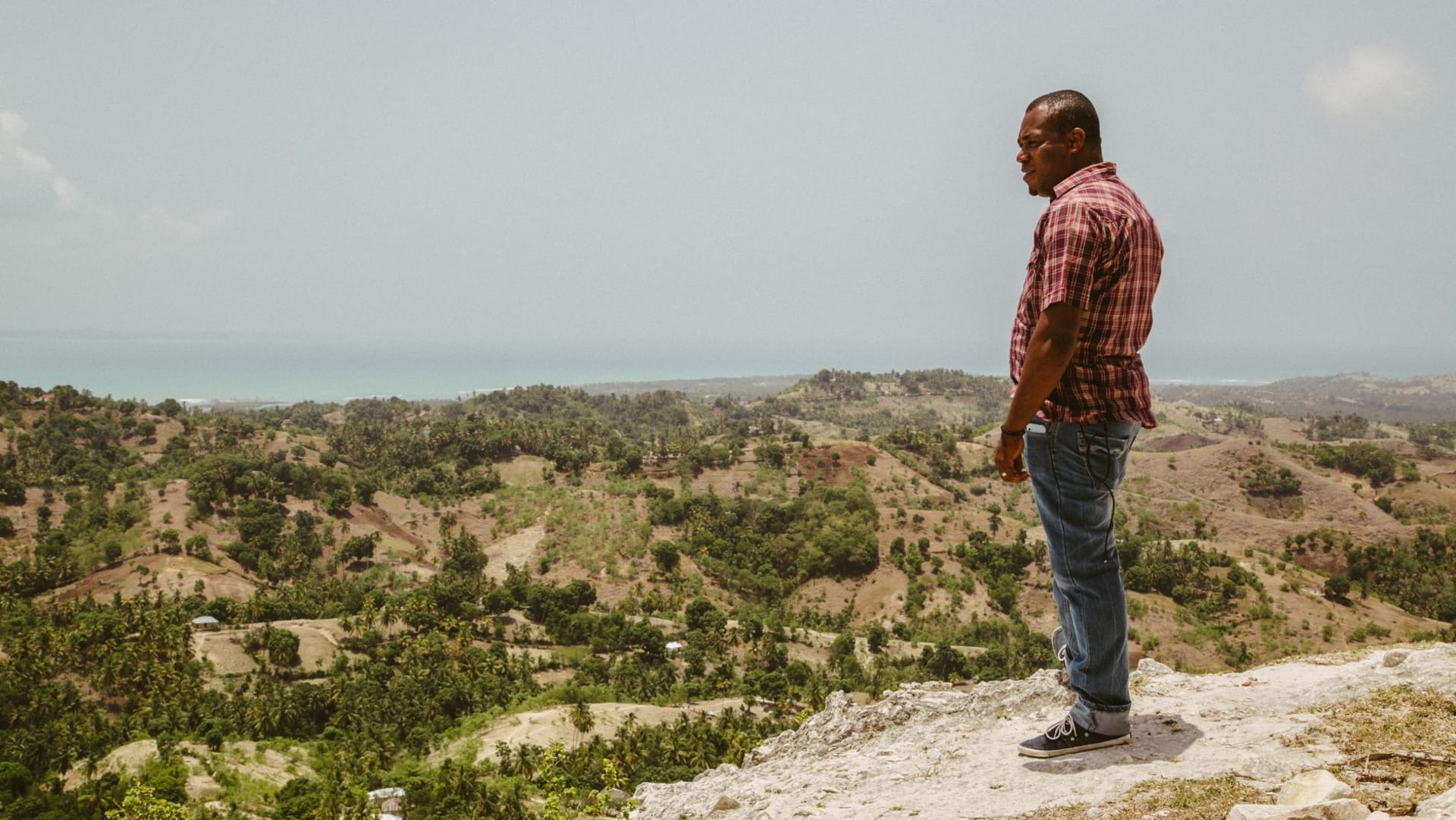
Jacmel
"Jacmel is what happens when the Caribbean decides to take art seriously instead of just decorating itself."
I arrived in Jacmel on a collectivo from Port-au-Prince that took three hours and deposited me at the edge of town with no clear indication of where anything was. I didn’t mind. The disorientation lasted about four minutes — just long enough to turn a corner and find myself in front of a gingerbread house so elaborately filigreed and so determinedly turquoise that it seemed less like architecture and more like an argument about what buildings are allowed to do. Jacmel announces itself like this. It is not subtle about what it cares about.
The gingerbread houses — the iron-lacework Victorian structures that were built by the Haitian merchant class in the nineteenth century — are scattered through the old town in various states of preservation, from lovingly maintained to dramatically collapsing. They were designed by Haitian architects influenced by the cast-iron construction techniques they’d seen in New Orleans and adapted them into something specifically Caribbean: wrapped in verandas on multiple levels, with deep overhangs to cut the heat, and decorated in ironwork patterns that repeat like music. The Maison Cadet, the Maison Vital-Haiti — some of them have names, most don’t. You find them by walking slowly and looking up.

The papier-mâché workshops are what keep Jacmel on the map of Haitian art. The tradition here goes back generations, and what started as carnival mask-making has expanded into a full art form: sculptural pieces, large-scale figures, intricately painted panels. Several ateliers in the old town welcome visitors, and the quality of what is made here is genuinely startling — not tourist trinkets but considered works of craft that happen to also be available for purchase. I spent an afternoon in one workshop watching a woman build a devil mask from strips of newspaper and wheat paste, adding layer by layer, the whole thing balanced on a wooden mold. She worked with the focused unhurried precision of someone who had done this ten thousand times and was still finding small improvements.
Jacmel’s beach, Cyvadier Plage just east of town, is not the Caribbean postcard kind — the sand is dark, the waves are real, and the water is clear but cool. I liked it better for all of those reasons. There were pelicans working the break with improbable efficiency, and a vendor selling lambi — conch — out of a cooler, served cold with lime juice squeezed over it. I ate standing up with my feet in the sand, watching a child on a donkey make her way along the tideline with the complete indifference to spectacle that Haitians seem to have refined into a philosophy.

Carnival in Jacmel, held in February before the national Carnival in Port-au-Prince, is the reason most people come specifically at that time of year. The streets fill with papier-mâché figures — some the size of vehicles — and with music that starts before dawn and does not stop. The costumes are not decorative in the tourist sense; they are elaborate and specific, referencing Haitian history and folklore in ways that take time to read. It is the kind of event that rewards slowness and curiosity over the instinct to photograph everything.
When to go: February for Carnival — book accommodation weeks in advance. November through March is the dry season and the most pleasant for general wandering. The drive from Port-au-Prince is best done by day; the mountain road section is spectacular but the hairpin turns want daylight.