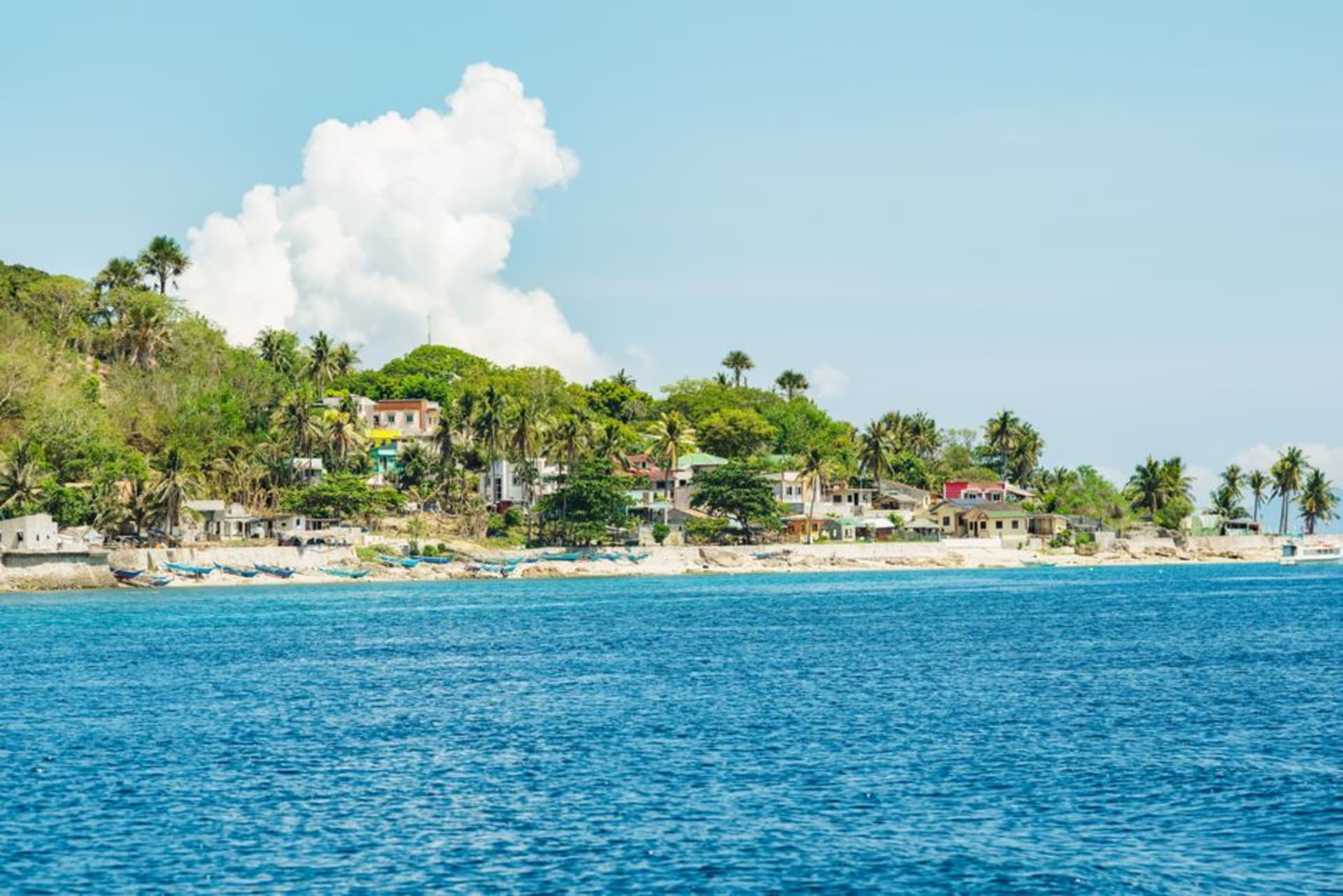
A turtle-shaped island off Haiti's north coast where pirate history and quiet fishing villages share the same shoreline.
We crossed to Île de la Tortue from Port-de-Paix in an open wooden boat, the kind where you hold onto the gunwale with both hands and trust the guy at the tiller more than you trust the sea. Lia had read that Columbus named the island in 1492 because its silhouette looked like a turtle shell, and for the whole crossing she kept twisting around trying to see the shape from the water. You can’t, really — you need the hills, or a map, or a lot of imagination. What you can see, coming in low over the waves, is how green it is, and how the coastline just seems to fold in on itself, cove after cove, like it was built for hiding boats.
That’s not an accident, of course. The Taínos called it Baynei before the Spanish and then the French ever showed up, but it was the buccaneers who made the island famous, starting in 1629 — the Brethren of the Coast, that loose, dangerous confederation of privateers and outlaws who used Tortuga as their base for a good chunk of the mid-1600s. I kept thinking about François l’Olonnais while we walked the ridgeline above the old anchorage, this notoriously brutal pirate who launched raids on Spanish shipping from these same coves. There’s nothing here that says “pirate museum” — no plaques, no reenactors — just the geography itself, the same natural harbors that made this place useful for hiding three and a half centuries ago.
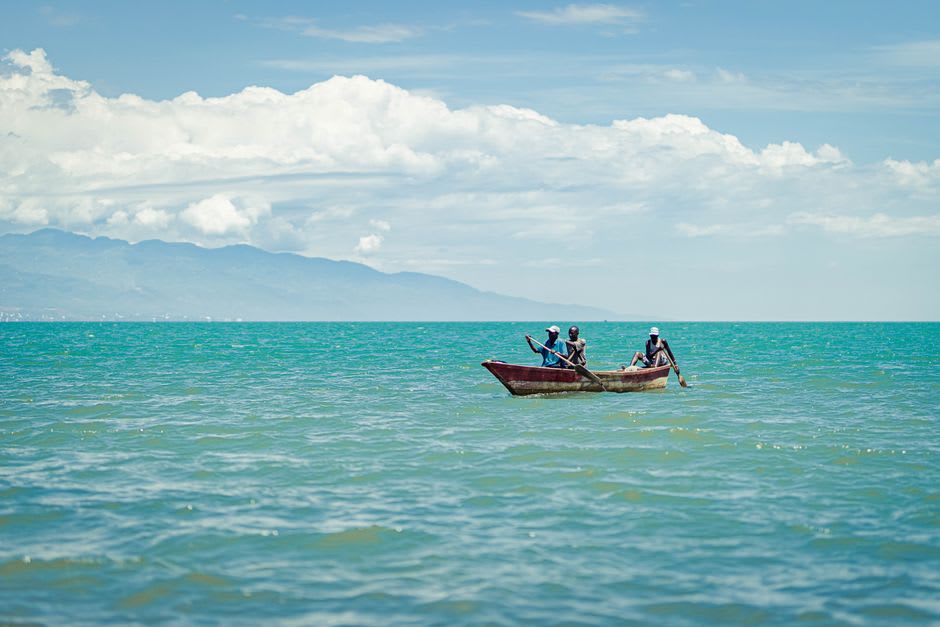
Spain ceded the island to France in 1697, folding it into Saint-Domingue, and today it’s the commune of Aux Palmistes, officially established in 1925 — though nobody we met used that name in conversation, everyone just says Tortue. We stayed two nights with a fisherman’s family near the water, and our host, Wilfrid, spent one whole dinner telling us — half in Kreyòl, half in the French he’d picked up from his grandfather — about which coves still had cannon fragments turning up in the sand after big storms. Whether that’s true or just a good story to tell visitors, I have no idea, and honestly I didn’t want to know badly enough to ask twice.
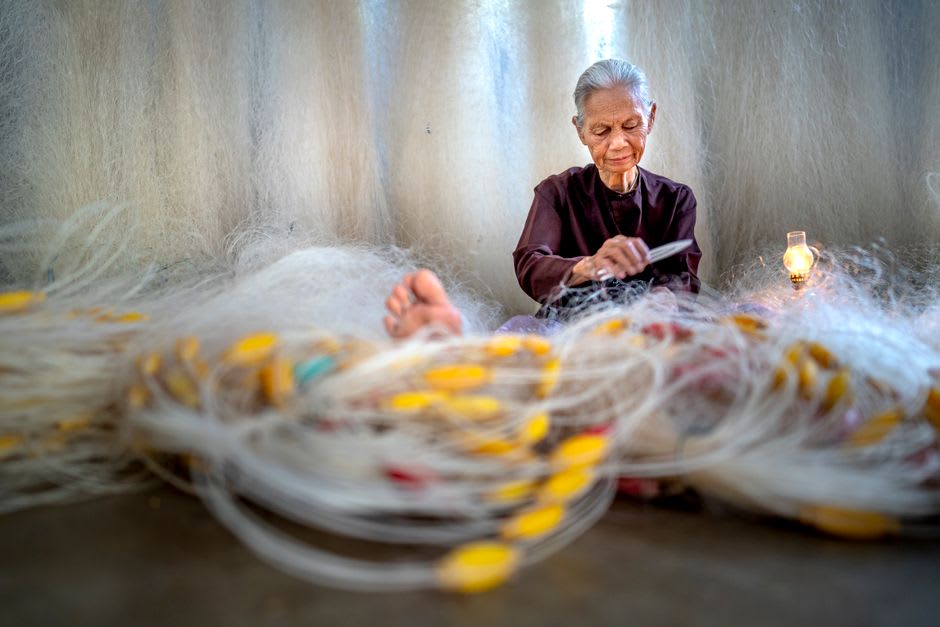
Mostly what we did was walk — down to the farming terraces where families grow what they eat, along paths worn smooth by generations of people who fish and farm this island the way their grandparents did, pirate gold or no pirate gold. There’s a stillness to Tortue that surprised me after everything I’d read about its violent past. Lia said it best, sitting on the beach our last evening: the island doesn’t perform its history for you. It just keeps being itself, turtle-shaped and quiet, while the water changes color with the light.
When to go: Aim for the dry season, December through March, when the crossing from Port-de-Paix is calmest — that boat ride is rough enough on a good day, and you really don’t want to attempt it otherwise.