Île-à-Vache
"On Île-à-Vache I stopped checking the time and then forgot why I'd ever started."
The boat from Les Cayes takes about forty-five minutes on calm water, longer when it isn’t, and the transition it performs is more than geographical. By the time the hull scrapes onto the sand landing at Port Morgan, the particular urban frequency of the Haitian mainland has dissolved. There are no paved roads on Île-à-Vache. There are barely any motorized vehicles. There are, instead, footpaths, donkeys, and the sound of the sea from whatever direction you happen to be facing.
Île-à-Vache — Cow Island, though the etymology apparently has nothing to do with livestock — sits about ten kilometers off the southern coast of Haiti in the Gulf of Gonâve. It is about fifteen kilometers long and home to several thousand people who fish, farm, and have built a life around the rhythms of the water. It is not a resort island, though a few small guesthouses operate here for the visitors who make the effort to come. The effort is part of the point: this is not a place you end up at by accident.

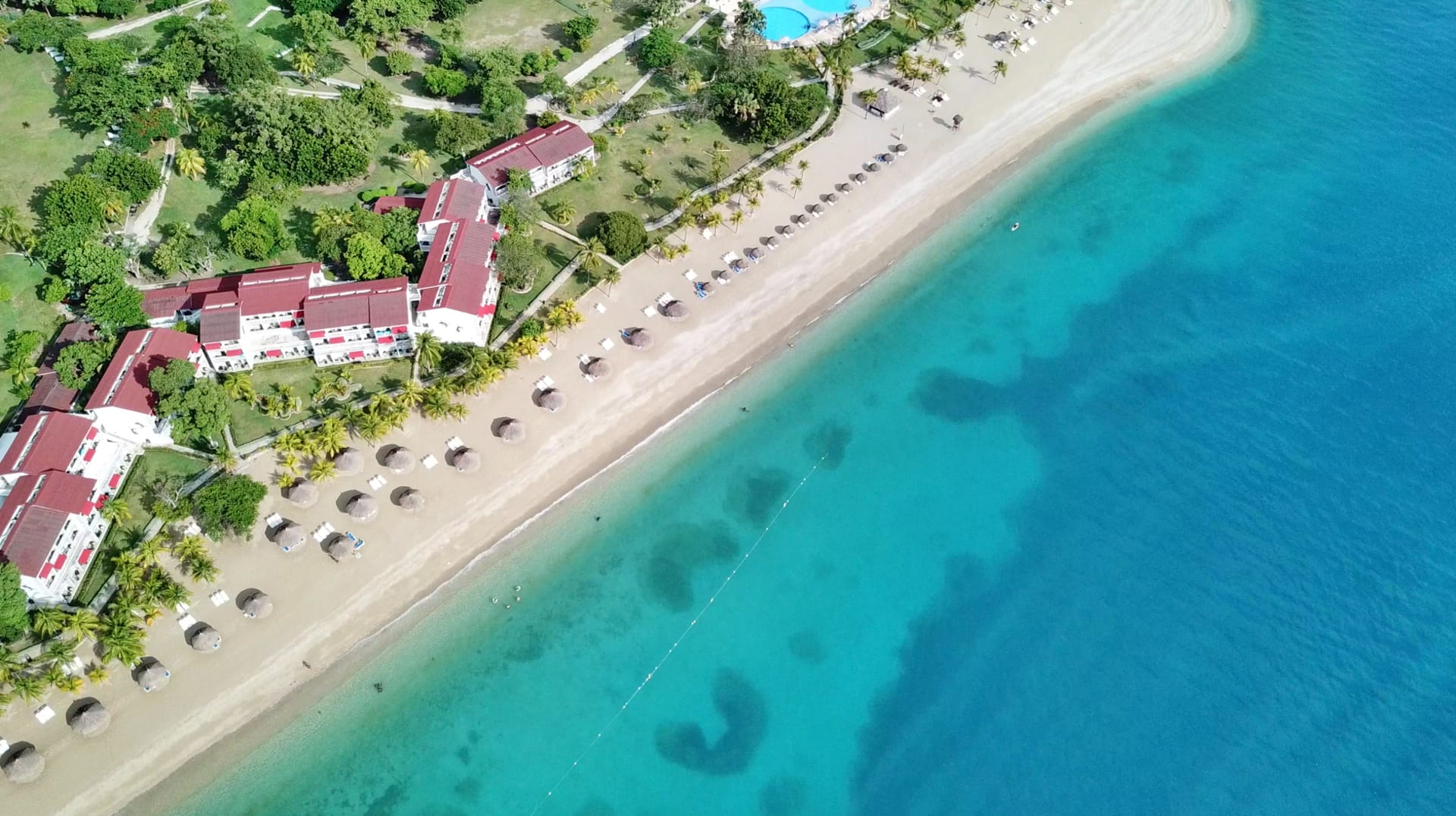
I spent three days on the island, which was probably the right amount of time and possibly not enough. The beaches on the southern shore — Bélive, in particular — are the kind of white sand and clear water that Caribbean tourism has spent decades trying to manufacture. Here they exist without infrastructure: no beach bars, no sun loungers, no attendants. You bring what you need and you find a tree for shade. I swam for long stretches alone in water so clear I could watch the fish moving over the reef below me, small yellows and blues going about their business with no particular concern for my presence.
The fishing villages on the northern and western shores are where the island’s actual life is visible. In the mornings the pirogues go out before dawn, and by mid-morning the catch starts coming in — spiny lobster, lambi, snapper, fish I couldn’t name but ate gladly. The women who cook for guesthouse visitors here work with the confidence of people who have never needed to apologize for their food. I ate a bouyon de poisson — fish broth with root vegetables — one morning sitting on a porch looking at the water, and it was the most quietly extraordinary meal of the trip: deeply flavored, simple, tasting of exactly what it was.

The island has a complicated recent history — it was the site of a controversial tourism development project in the 2010s that was eventually suspended after local resistance, and the community’s relationship to outside economic interest is complicated and considered. The guesthouses that operate now are small-scale and locally run, and the model of visiting that works here is one of genuine slowing-down rather than consumption. I walked paths between villages. I watched pelicans work the bay for an hour one afternoon because there was nothing else calling me and the pelicans were very good at what they did. I wrote more in my notebook than I had in weeks.
When to go: November through April is ideal — calm seas, dry weather, and the lobster season is at its height. July and August can be rough for the crossing from Les Cayes. Plan to arrive with cash; there are no ATMs on the island. Book guesthouse accommodation at least a week ahead in high season, as capacity is genuinely limited.