Citadelle Laferrière
"The Citadelle doesn't feel like a monument. It feels like an argument that is still being made."
The horse they gave me at Milot was small and certain of where it was going, which was more than I could say for myself. The trail up to the Citadelle climbs through banana groves and past market women coming down with impossible loads balanced on their heads, and for the first twenty minutes it feels like a pleasant ride through the Haitian mountains. Then the trees thin slightly and the path steepens and you begin to understand that you are climbing something serious. When the Citadelle’s walls finally appear above you — not gradually but suddenly, the way a wave appears — the scale of what Henri Christophe built here in the early 1800s lands with physical force.
The Citadelle Laferrière sits at roughly 900 meters above sea level on a mountain in the northern range, and it is by any measure one of the most extraordinary structures in the Americas. Henri Christophe, who had fought in the Haitian Revolution and later declared himself King Henri I of the northern state of Haiti, ordered it built between 1805 and 1820 as a fortress against the French return that he was convinced was coming. The French never came back. The fortress, built by an estimated 20,000 workers and enslaved people under conditions that killed thousands, still stands. The historical weight of that fact does not dissipate easily.
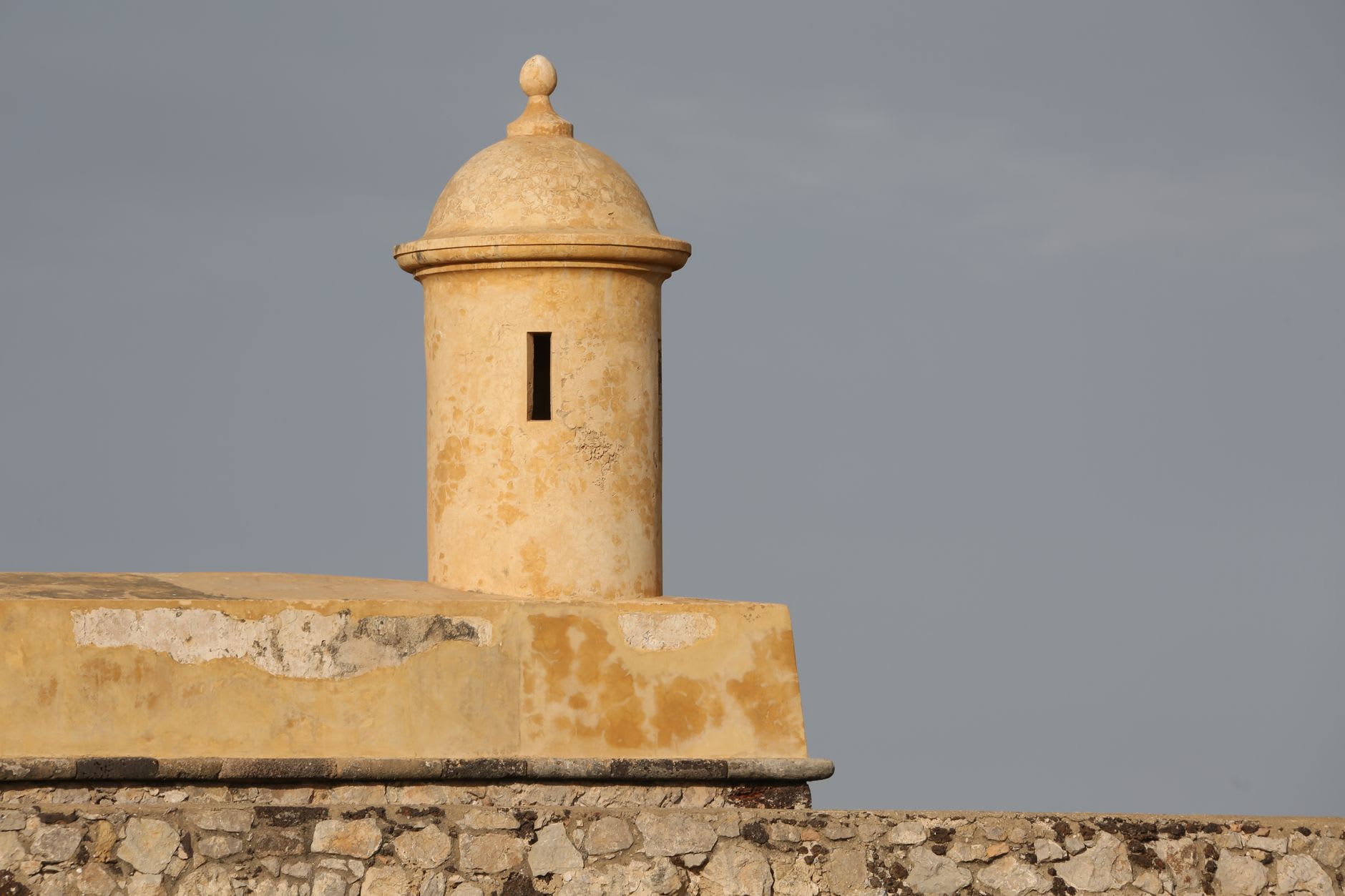
What strikes you first is the thickness of the walls — ten feet in some places, rising up to 130 feet. Then the cannons: hundreds of them, many still bearing the markings of European powers, some captured in battle, others imported. Some are still aimed out toward the horizon in the directions from which attack was expected. The views from the upper ramparts drop away into the northern valleys and toward the coast, and there are no barriers between you and the edge. Standing up there, looking down into what feels like a genuinely vertiginous fall, I understood why this was built here and not somewhere easier. The point was not convenience. The point was that this place should be impossible, and it almost was.
The interior spaces have a strange intimacy amid the scale. There are rooms with faded painted ceilings. There are staircases that go up into darkness. In one corner, stacked in pyramidal formations that have survived earthquakes and two centuries of weather, are cannonballs — thousands of them, stored and ready for a siege that never happened. The guides who come up with visitor groups are knowledgeable and wry about the history: one of them told me that Christophe had the Citadelle built in part because he didn’t trust the southern government of Alexandre Pétion and needed somewhere that even a combined French-Pétion force couldn’t take. “He was a man of very good enemies,” the guide said. “This is what happened when one of them built a house.”
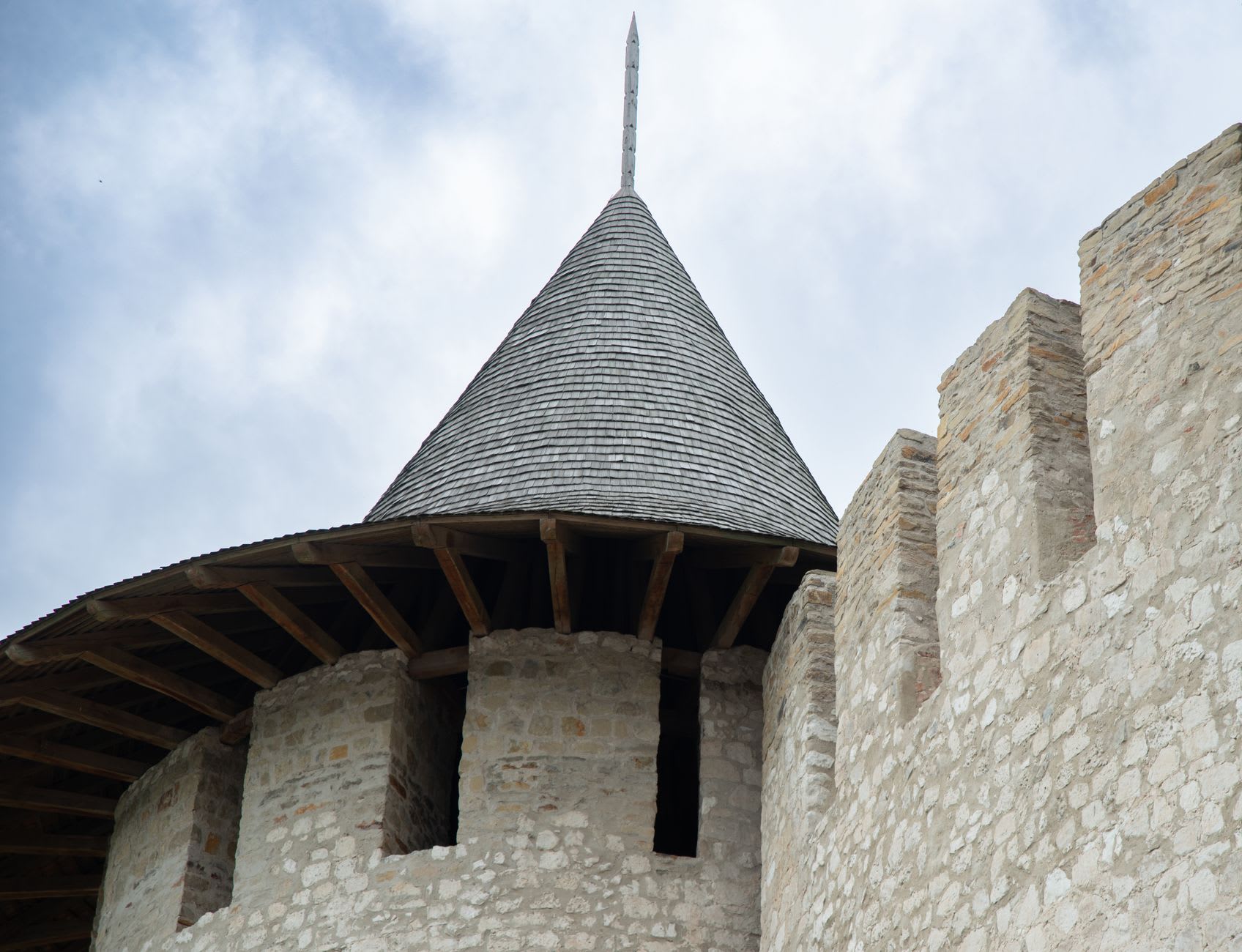
The descent is faster than the climb, and the disorientation on coming back down to Milot is real: you’ve spent several hours inside something that existed outside ordinary time, and the ordinary world requires a moment of readjustment. I sat by the road afterward eating fried plantain from a woman’s tray and watching the horses being watered, and felt the thing that the best historical sites occasionally produce — not nostalgia, not sorrow exactly, but something more like awe at the audacity of human beings in impossible circumstances.
When to go: December through March is ideal — dry, clear days mean the views from the ramparts are unobstructed and the trail is firm underfoot. Start the climb early (before 9am) to beat both the midday heat and the tour groups that arrive around ten. The Citadelle is a UNESCO World Heritage Site and is open year-round, but the rainy season makes the approach road genuinely difficult.