Xincun
"Xincun is the only place I've eaten breakfast on a floating porch and had a macaque stare back at me an hour later."
A stilt-built fishing town on Hainan's southeast coast, home to the Tanka boat people and the gateway to a monkey-covered island.
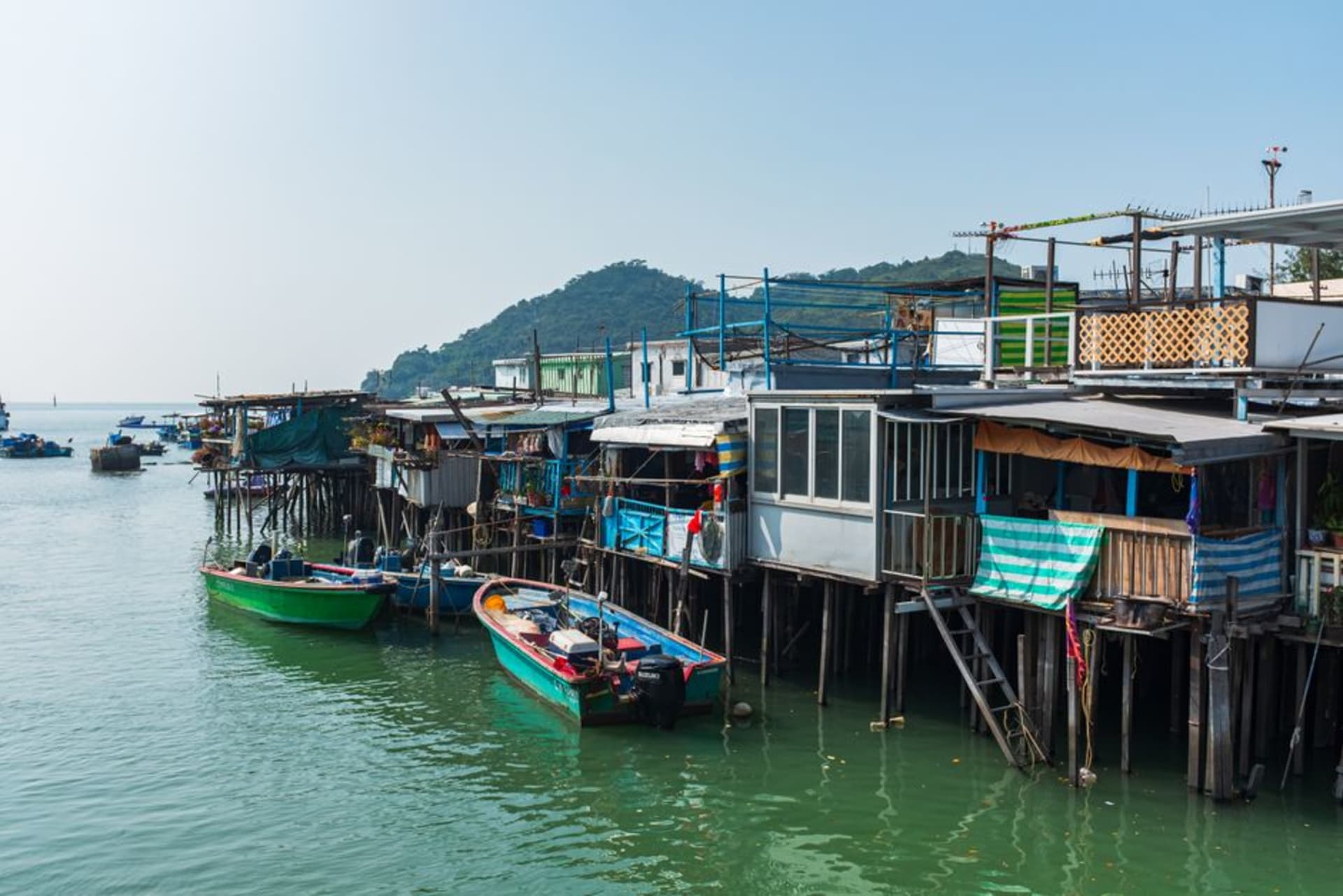
We almost drove past Xincun. On the map it’s just a smudge of a town near Lingshui, and Lia had circled Nanwan Monkey Island as the “real” destination, the fishing village little more than a parking spot on the way. We were wrong within about ten minutes of arriving. The road dropped down toward the harbor and the houses simply stopped being houses on land — they kept going out over the water on stilts and rafts, wood grayed by salt and sun, laundry lines strung between posts that had no business holding anything up. This is Tanka country, the boat people who for generations lived their entire lives on the water, fishing communities that Chinese society historically pushed to the margins even as they built entire towns on stilts because the land was never really theirs to claim.
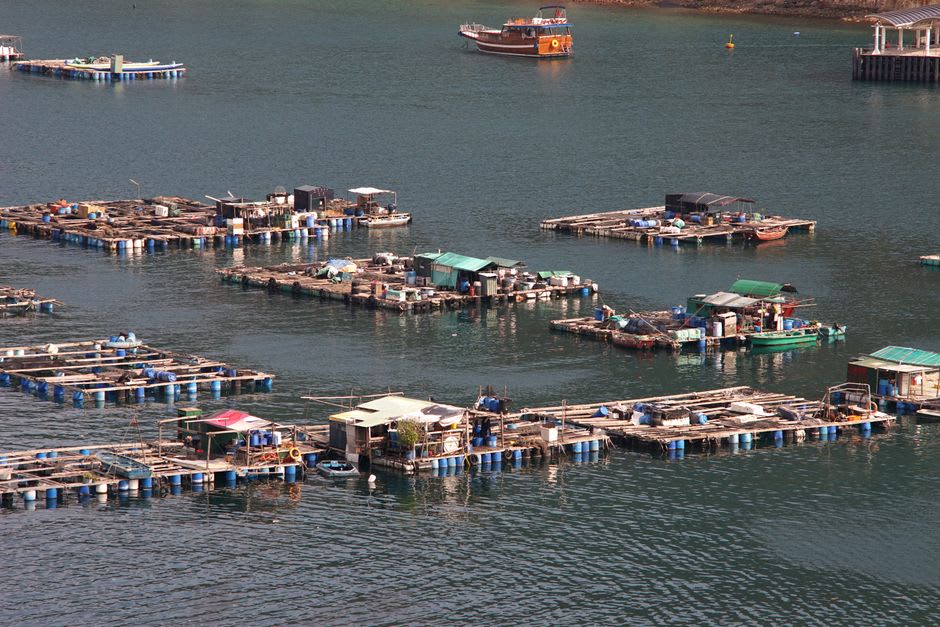
We ate lunch at a stall right at the water’s edge, the owner ladling out a soup with fish so fresh it had probably been swimming that morning, and I remember looking past her shoulder at the bay and realizing the water itself was a kind of farmland. Rafts of oyster cages stretched out toward the horizon in loose grids, buoys bobbing, small boats weaving between them collecting whatever was ready. Xincun’s harbor is still a working pearl and fish farming center, not a museum piece dressed up for visitors, and there’s a bluntness to that which I liked — nobody was performing “authentic fishing village” for us, they were just doing their jobs with us standing awkwardly in the middle of it.
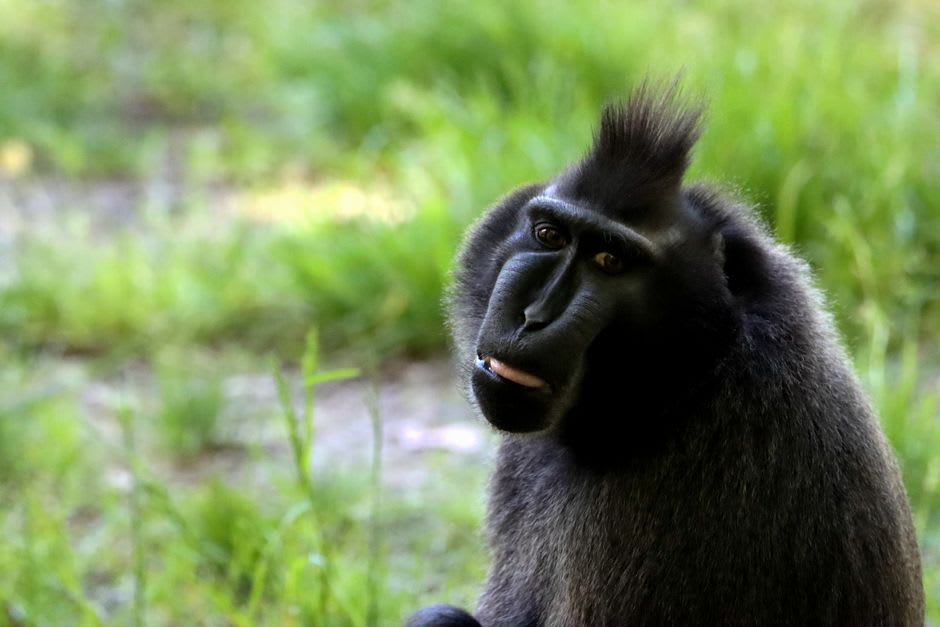
The other reason people come is the cableway. Nanwan Monkey Island isn’t really an island — it’s a peninsula that got turned into a nature reserve back in 1965 — but you cross to it by one of the longest cross-sea cableways in Asia, and the ride alone is worth the trip. I’m not great with heights and I gripped the bar the whole way over while Lia leaned out taking photos of the water below us. On the other side, several thousand Guangxi crested macaques more or less run the place, and within minutes one had climbed onto my shoulder looking for whatever was in my pocket, which turned out to be a very stale granola bar it accepted with what I choose to interpret as disappointment.
We stayed in Xincun until the light went orange over the oyster rafts, watching the stilt houses turn into silhouettes and a few fishermen head back out for the evening. It’s not a place you spend three days, but it earned more than the hour we’d originally budgeted it, and I’d go back just for that soup.
When to go: Aim for the cooler dry season between October and April — the summer months bring both punishing heat and real typhoon risk to this stretch of coast, and neither pairs well with a floating village or a cable car ride over open water.
Keep exploring
More from Hainan Island
 hainan-island
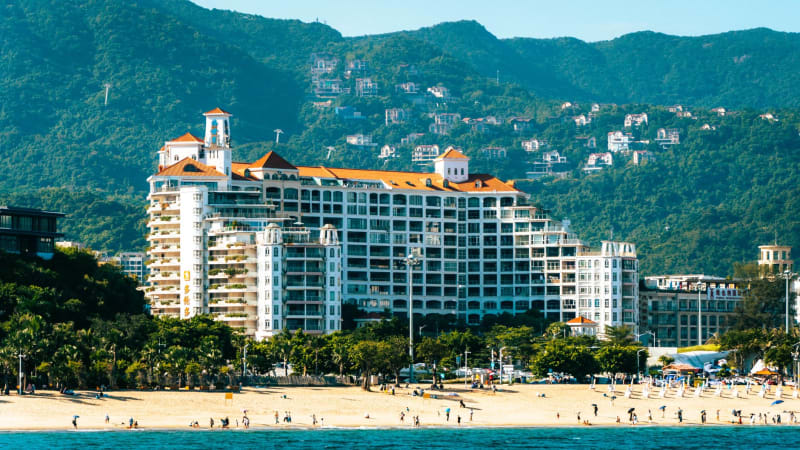
 Yalong Bay
The South China Sea at its most composed — a crescent of sand where the water is genuinely, stubbornly clear.
Explore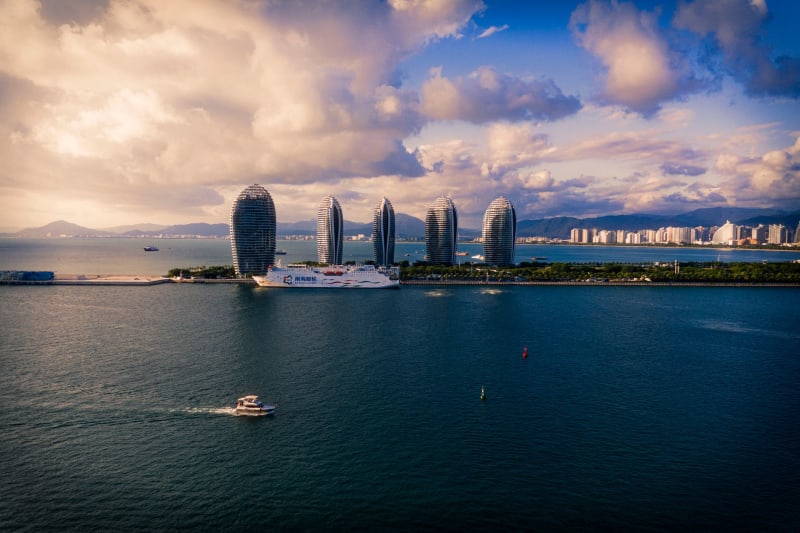 hainan-island
 Bo'ao
A sleepy coastal town that hosts China's most prestigious annual forum and spends the other eleven months living quietly on fishing boats and river time.
Explore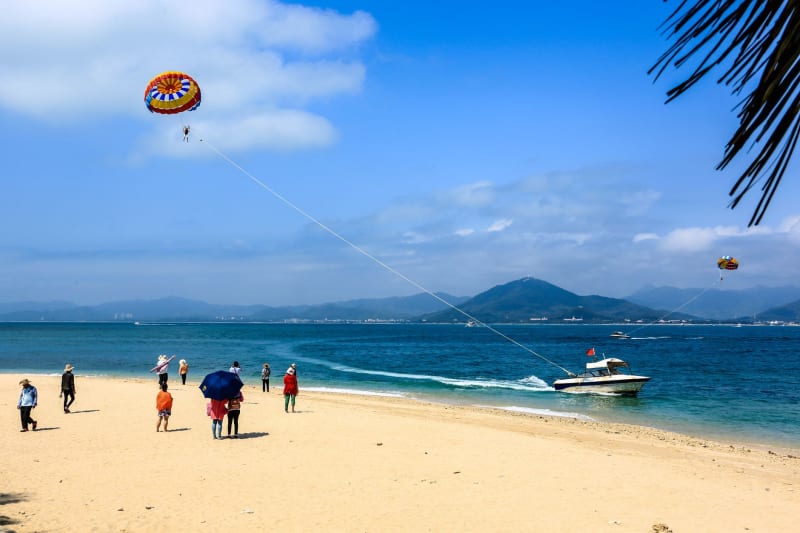 hainan-island
 Danzhou
The northwestern city where Hainan's century-old coffee culture runs deepest and the robusta hits you standing at a street counter before sunrise.
Explore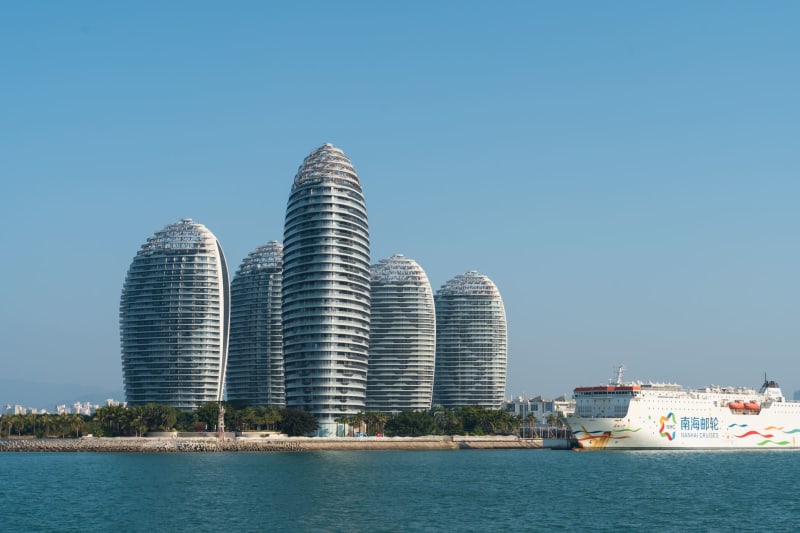 hainan-island
 Dongfang
Hainan's quiet western coast, where Li and Miao minority culture runs deepest and the tourist industry has not yet decided to arrive.
Explore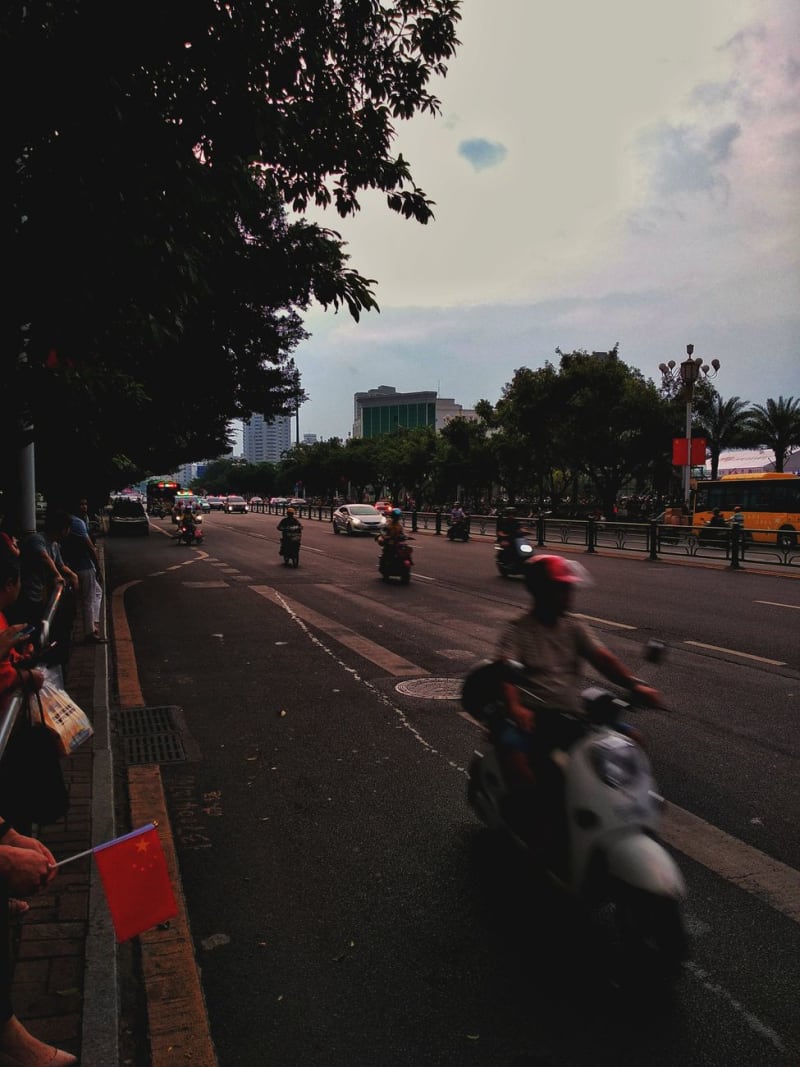 hainan-island
 Haikou
Hainan's overlooked capital, where shuttered overseas-Chinese arcades, volcanic craters and serious coffee make a far stranger city than the beach resorts to the south.
Explore hainan-island
 Haitang Bay
Hainan's newest resort frontier — a genuinely beautiful beach and the world's largest duty-free complex sharing a shoreline in surreal proximity.
Explore