Aishalton
"The furthest I've been from a paved road and the closest I've felt to something I can't name — Aishalton has that effect on people, I was told. Now I believe it."
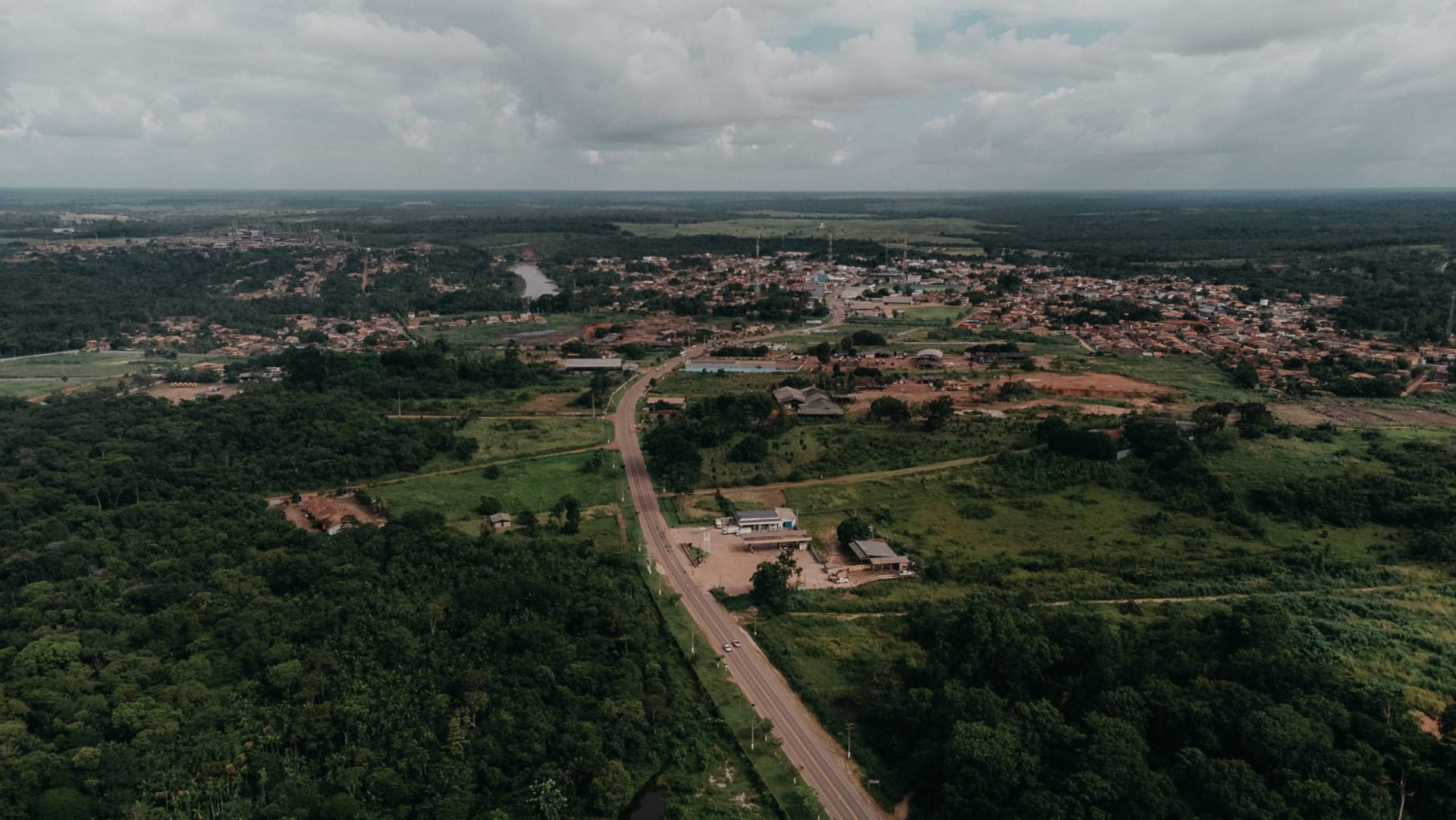
Aishalton is not easy to reach, and that is at least half the point. From Lethem it is a further two to three hours by vehicle along tracks that are, in the dry season, compacted red dirt and, in the wet season, something you do not attempt without a serious four-wheel drive and someone who knows when to stop before a crossing. I went in the dry season, the landscape around me bleached to its most austere — short grass, termite mounds, the occasional shade tree under which a horse or two stood motionless, and in the far south the Kanuku Mountains, a low dark range that holds the most biodiverse forest in Guyana.
The village sits near the North Rupununi Wetlands, a complex of rivers, oxbow lakes, and seasonally flooded grassland that is one of the continent’s great under-visited wildlife areas. The Wapishana communities here have been the primary conservers of this landscape through deliberate community management — the North Rupununi District Development Board runs eco-lodges and guides visitors through the wetlands in a way that keeps revenue in the community and keeps the wildlife alive. My guide, a woman named Sheryl who had grown up in Aishalton and returned from Georgetown in her late twenties to run the lodge, explained this with the unsentimental precision of someone who has done the math: local management works better than national parks that no one enforces. The giant otters in these rivers, she said, would not still be here otherwise.

We went looking for the otters at first light. Sheryl paddled a wooden canoe along an oxbow channel where the water was perfectly still and the reflection of the forest made the surface look solid. The otters found us. A family of six came down the creek from the north, making the chirping-barking sounds that giant river otters use to communicate — louder and more social than any otter I’d encountered in any other context — and crossed the channel in front of us with complete territorial confidence. Sheryl sat with her paddle across her lap and waited. They crossed back. One surfaced two metres from the canoe and looked at us with the frank curiosity that is characteristic of the species, which has no natural predators large enough to bother it. The whole encounter lasted twenty minutes and I barely remembered to breathe through most of it.
The Kanuku Mountains behind the village hold harpy eagles — Sheryl knew of three active nests — and black spider monkeys and tapirs. We walked the forest edge in the late afternoon, in the specific light that comes when the sun drops toward the mountains, and I was shown a tapir trail through the undergrowth, the wide path worn smooth by animals considerably larger than me, and heard something crashing through the forest two hundred metres in that was either a tapir or something I preferred not to speculate about. We didn’t see it. That was fine.

The nights in Aishalton have a quality I have not found in many other places. The absence of any light source besides the lodge lamp creates a darkness that is total when you step outside, and into that darkness the stars fall down with a density that makes the sky feel like a ceiling that has been moved much closer to the ground. I lay on the grass for an hour after dinner and watched the Milky Way shift and felt, genuinely, that I was on a planet.
When to go: August through September is peak dry season and the best time for wildlife — the wetland water levels drop, concentrating birds, fish, and otters around remaining pools. February through April works too. The community lodge at Aishalton requires advance booking through North Rupununi eco-tourism contacts; capacity is genuinely limited and demand from serious naturalists is higher than the infrastructure suggests. Fly to Lethem and arrange onward transport from there.