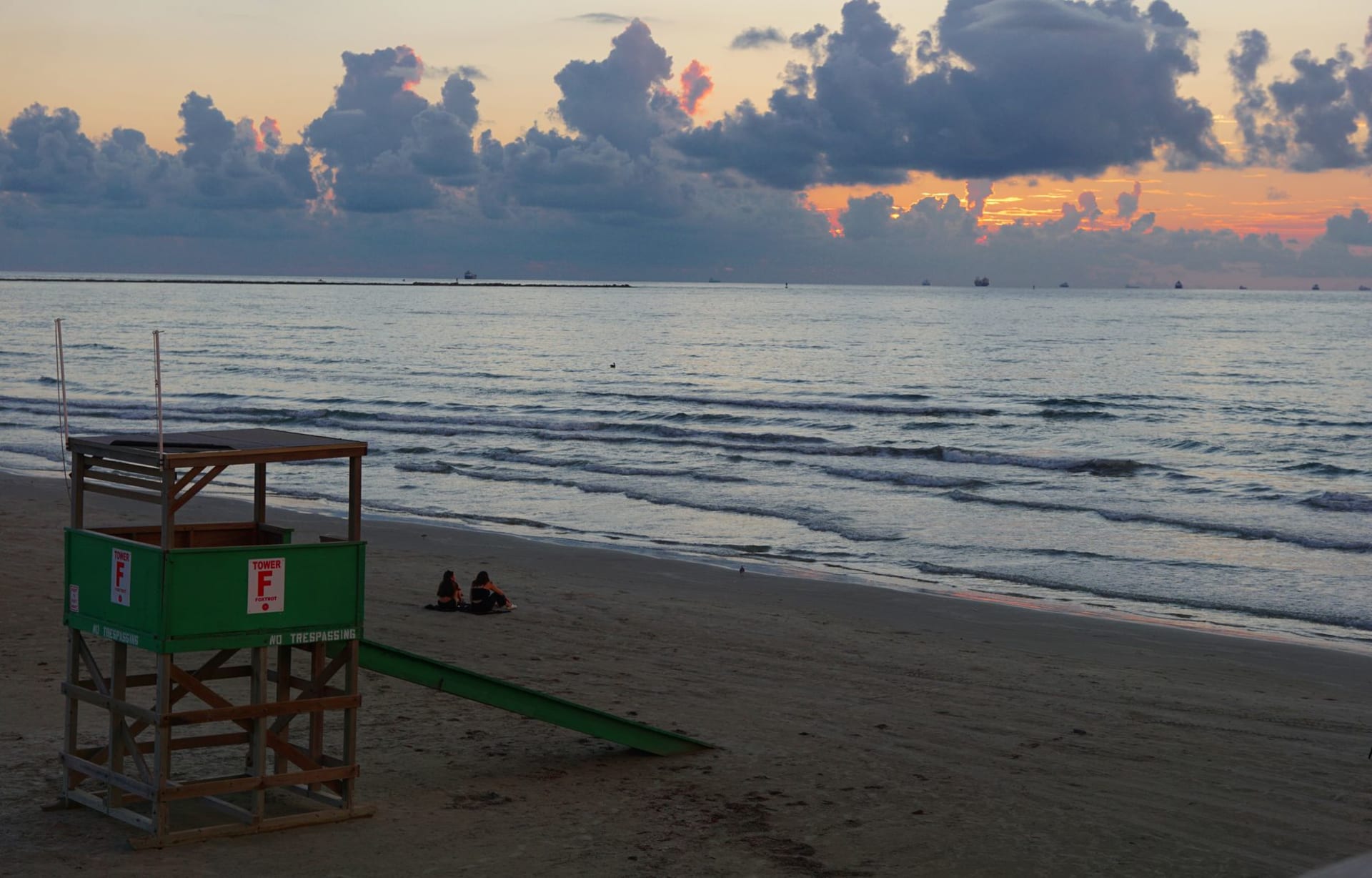
Port Aransas
"Three o'clock in the morning on that ferry, nobody else on board, the channel lights on the dark water — that crossing was worth the whole trip."
You reach Port Aransas by ferry. There is a bridge you could use but the state-run ferry across the Corpus Christi ship channel is free and takes twelve minutes and is the correct way to arrive. I crossed at three in the morning on my first visit, having driven down from San Antonio later than planned, and I was the only vehicle on the ferry. The channel was black and still, the navigation lights of a container ship visible in the distance heading toward the Port of Corpus Christi, and the ferry engine hummed with a particular self-satisfied reliability. I stood at the bow for the crossing and felt something unclench in me that I hadn’t known was clenched.
Port Aransas sits on the northern tip of Mustang Island, a barrier island connected to Padre Island to the south, and it has the physical character of a place that got annexed into the tourist economy before it could resist it but kept its fishing village structure underneath. The charter fishing fleet still operates from the harbor, the pelicans still station themselves on every piling, and the commercial shrimp boats still go out past the jetties in the early morning while the rental bike shops and margarita bars are still asleep.
The birding here surprised me more than the fishing, though I had been told it would. Port Aransas sits at the intersection of the Central Flyway and the Gulf Coast — a geographic pinch point where migratory birds funnel over the water and then rest in the first available vegetation they reach. In April the mesquite thickets around the Port Aransas Birding Center fill with warblers and flycatchers and orioles in quantities that birdwatchers describe with a reverence usually reserved for other activities. I spent a morning at the Leonabelle Turnbull Birding Center and counted thirty-seven species before lunch without moving particularly quickly, including a roseate spoonbill that landed about fifteen feet from the boardwalk and fed with total indifference to my presence.
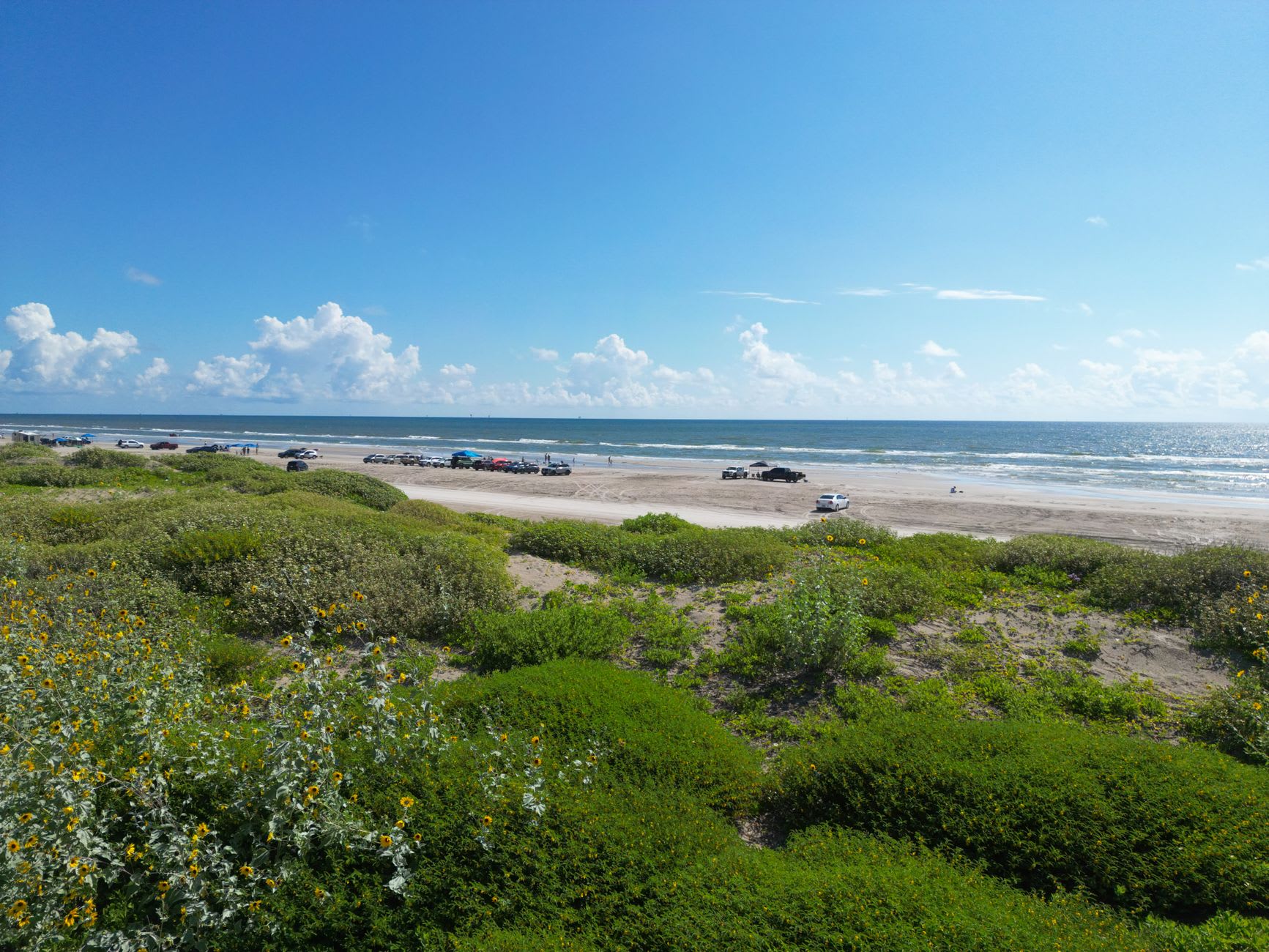
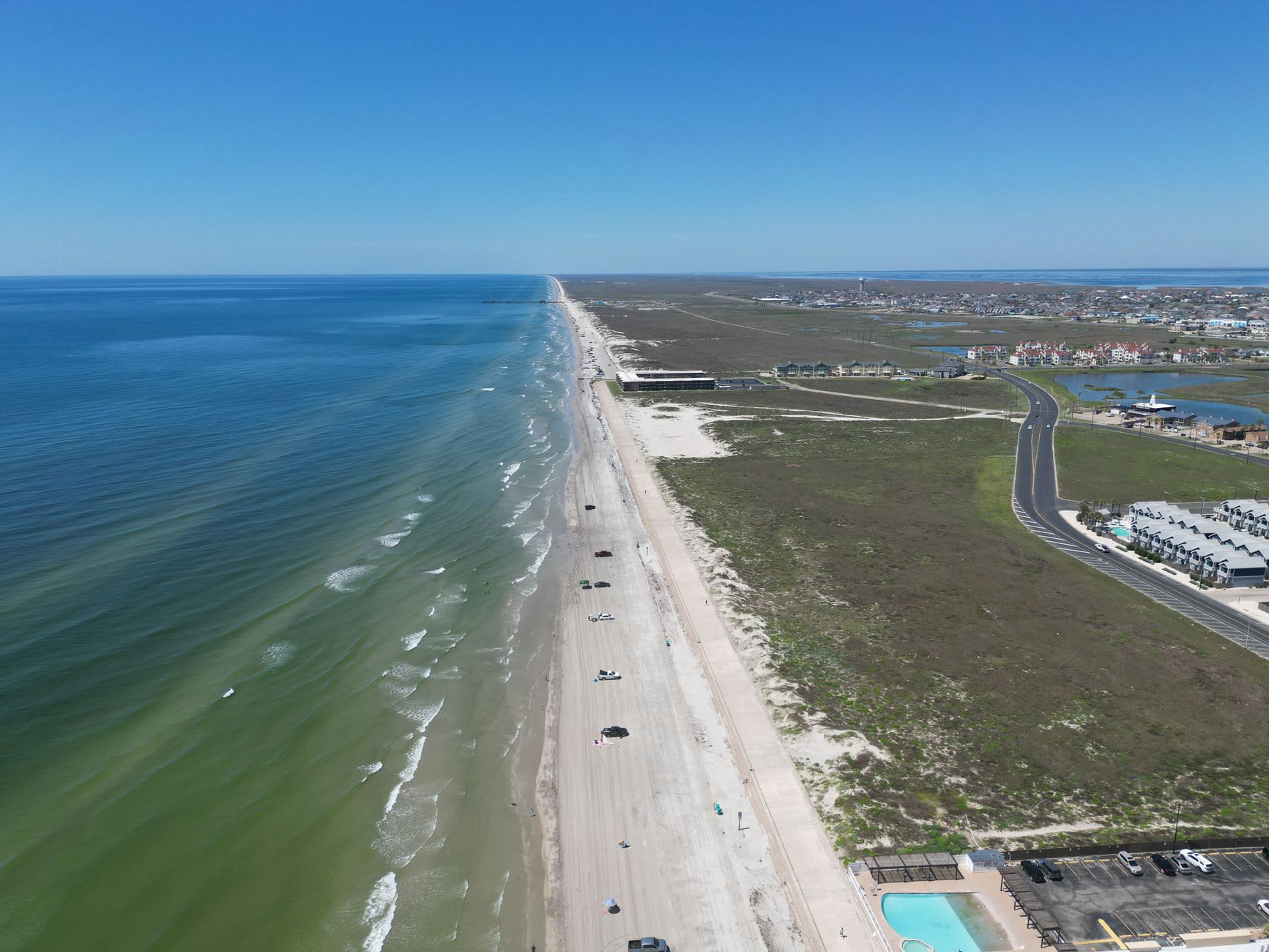
The beach runs for miles south of town, and on weekday mornings in the off-season it empties out to a state that feels closer to Padre Island National Seashore than to a resort beach. I walked south at low tide, where the firmest sand is, and found sand dollars and lightning whelks and the occasional very alive crab that had to be stepped around, and the only other people in a mile were two men surf fishing from fold-out chairs, listening to Tejano music on a portable speaker.
When to go: April and May for spring migration birding and warm but not brutal weather. September through November for the fall migration and post-hurricane-season calm. The town fills to capacity during Texas spring break in March, which has its own raucous energy if that’s what you’re looking for; otherwise plan around it.