Americas
Gulf Coast
"The Gulf doesn't rush — and after a week, neither did I."
I arrived in New Orleans in August, which everyone told me was a mistake. The heat was the kind that sits on your shoulders. By noon the French Quarter smelled of last night’s cocktails and the river. I bought a cold Abita at a bar with no front wall and watched a second-line parade materialize out of nowhere — brass band, dancers, umbrellas spinning — and disappear just as suddenly around a corner. I understood immediately that the Gulf Coast operates on a frequency entirely its own.
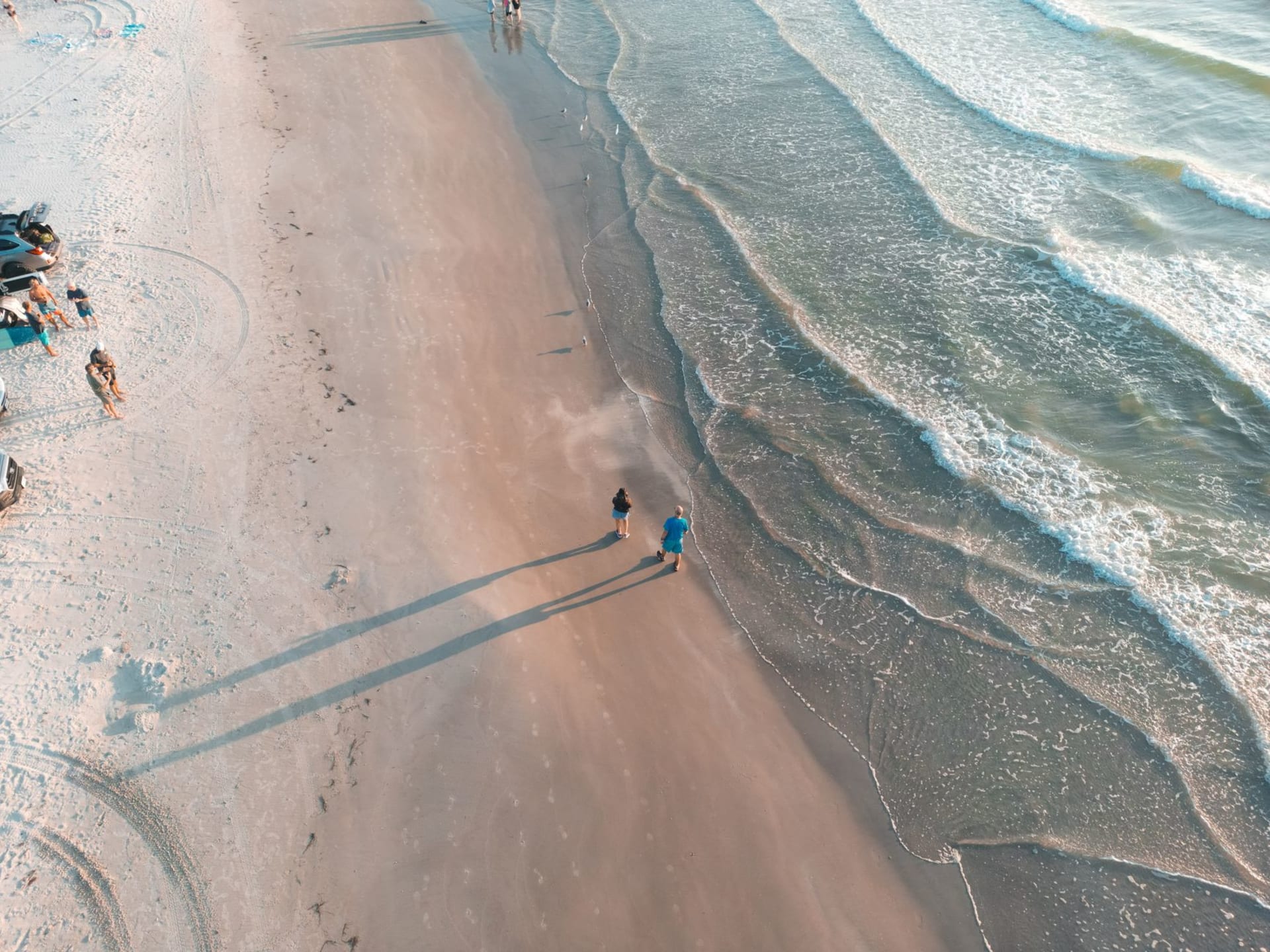
The coast itself runs from the Florida Panhandle through Alabama, Mississippi, Louisiana, and down into Texas, and each stretch has its own character. Pensacola and the Emerald Coast have the sugar-white sand that belongs on a postcard — the quartz washed down from the Appalachians, impossibly fine underfoot. Further west the beaches give way to marshland and estuary, to the salt-grass flats of Louisiana where the land doesn’t so much end as dissolve into water. I drove the two-lane through the Atchafalaya Basin at dusk, cypress trees standing in still black water, a great blue heron lifting off ahead of the car. Nothing about that landscape looks American in the way most Americans think of their country. It looks primordial. It looks like the world before anyone named anything.
The food is the reason to come. Not the celebrity chef versions — though those exist and some are excellent — but the unpretentious originals. A crawfish boil at a picnic table in Lafayette, the pile of mud bugs dumped straight onto newspaper with corn and andouille and potatoes, eating with your hands for two hours while someone’s uncle argues about LSU football. Gumbo z’herbes at a church kitchen in the Tremé district on Holy Thursday. Oysters at a shack in Apalachicola where the shucker has been working the same spot for thirty years. Gulf shrimp in every form imaginable. The cooking here is a serious art that takes itself completely unseriously, which is the best kind.
When to go: October through April is the sweet spot — the brutal heat and hurricane season have passed, the water is still warm enough to swim, and the crowds thin out considerably after Labor Day. March in New Orleans during the weeks before (and well after) Mardi Gras is ideal: festivals, perfect weather, the city in full swing without the intensity of the main event.
What most guides get wrong: They focus on the destination cities and ignore the drives between them. The Gulf Coast is not a place you fly into and Uber around — it is a place you drive slowly, stopping at roadside boudin stands in Cajun country, pulling off to watch shrimping boats come in at Port Sulphur, taking the ferry across a bay just because you can. The magic is almost entirely in the in-between.