
Galveston
"The 1900 storm killed six thousand people on this island. The mansions they left behind are some of the finest in Texas."
There is a particular quality of melancholy that clings to Galveston, a Gulf island city that was once the largest and wealthiest in Texas — a place of banks and opera houses and electric street cars — and that had most of its ambitions stripped away by a hurricane in September of 1900. The storm killed somewhere between six and twelve thousand people, the deadliest natural disaster in American history, and afterward the city rebuilt behind a seawall and slowly, quietly, stopped being the place it had been. Houston absorbed the commerce. Galveston stayed behind, keeping its Victorian bones, and became something else: a baroque, slightly faded, endlessly interesting beach town.
I arrived by the causeway at dusk, the island appearing flat and improbable in the gathering dark, the lights of the refineries on the mainland visible in the rearview mirror. I found my way to the Strand historic district, where the nineteenth-century commercial buildings — cast iron and brick, ornate with detail — house restaurants and galleries and a used bookshop where I spent an entire morning. The streets there have a particular hush in the early morning, before the tourist trade wakes up, and the buildings cast long shadows across the brick paving.
The mansions are the thing. On Broadway Boulevard and the side streets of the East End Historical District, the Victorians built in a range of styles — Queen Anne, Italianate, Eastlake — with a particular Texas extravagance that threw gingerbread woodwork at every possible surface. The Bishop’s Palace is the most famous, a stone castle on Broadway that looks like someone shipped it from a different continent and nobody ever got around to explaining why. I walked the neighborhood for two hours in the late afternoon, the live oak canopy closing over the street, the temperature dropping a few degrees inside it.
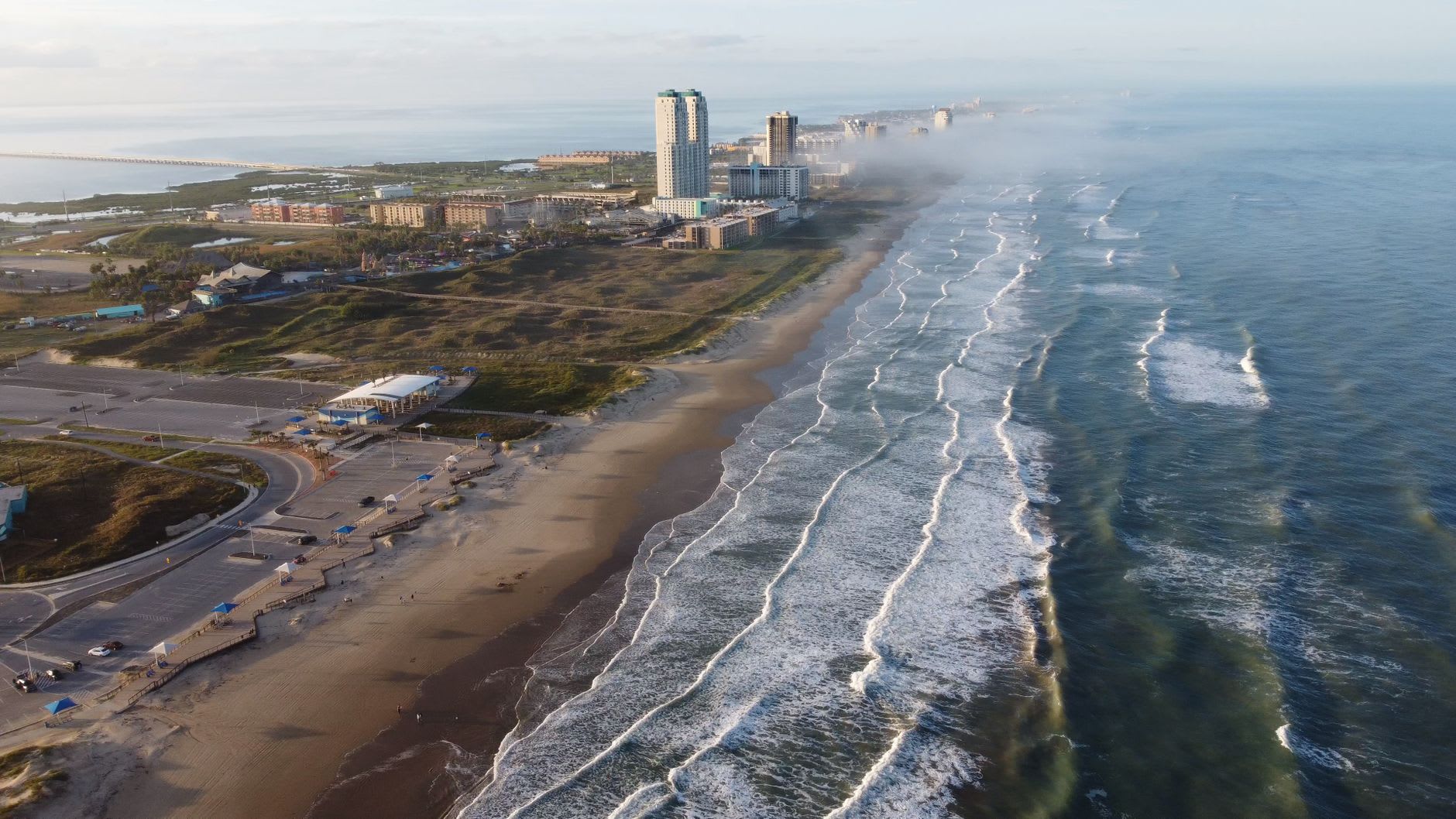
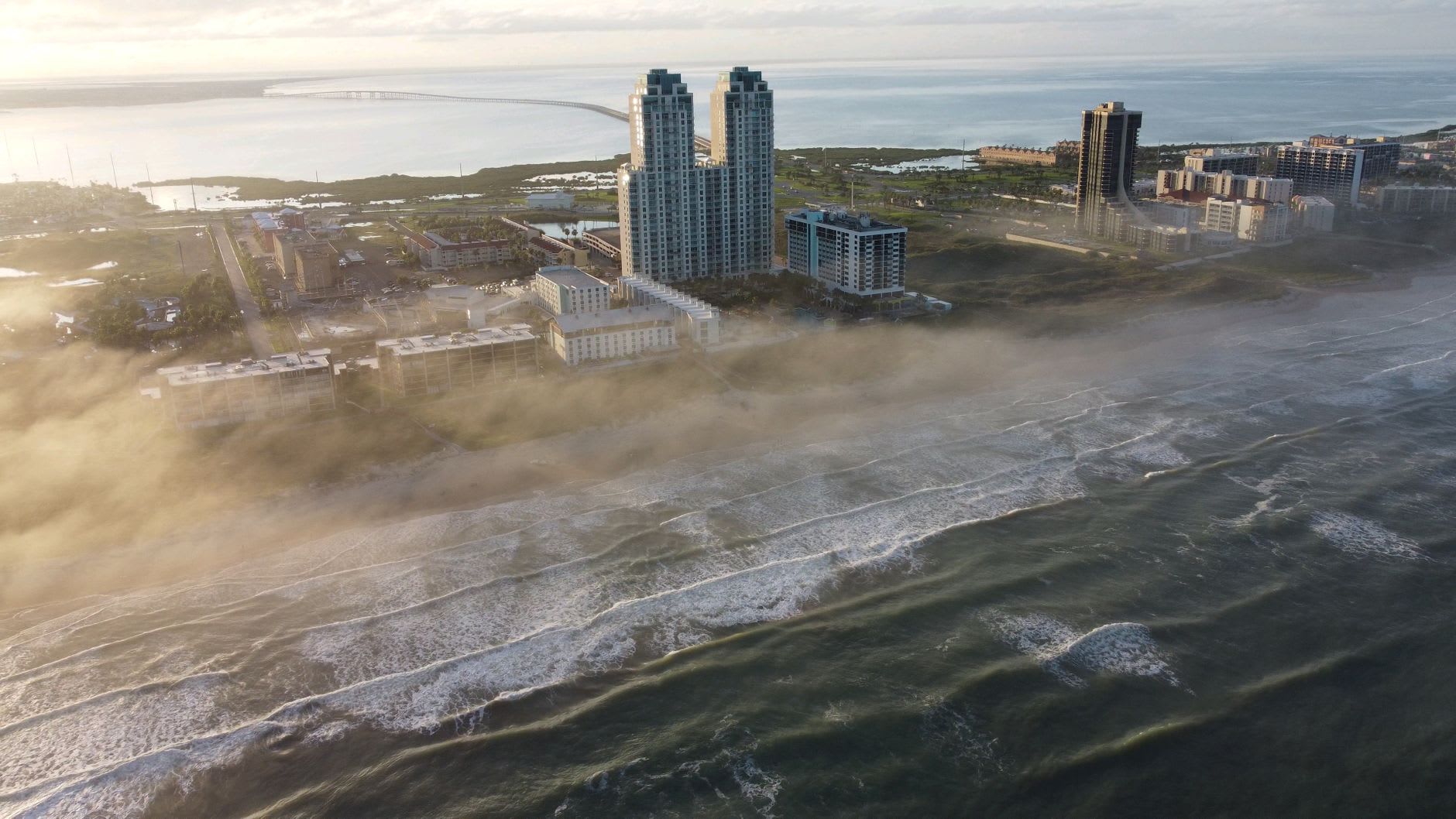
The beach is not the finest on the Gulf Coast — the water runs brownish-green, churned by ship traffic from the Houston ship channel — but there is something I liked about its democratized, slightly rough-edged character. The seawall runs along the beach for miles and people fish from it at all hours, and the piers have the cheerful tackiness of a resort town that never quite takes itself too seriously. I ate shrimp at a place where they were boiled in Cajun spice and served in a plastic basket, and the shrimp were excellent and the beer was cold and the Gulf was right there.
When to go: March through May for the best combination of warmth and manageable crowds. The Dickens on the Strand festival in December is a curious and charming Victorian celebration that draws big crowds but is worth encountering at least once. Avoid summer weekends when Houston empties onto the seawall in large numbers.