Dauphin Island
"A birder handed me her binoculars without a word, and through them a tiny exhausted warbler sat in a live oak, having just crossed an entire sea."
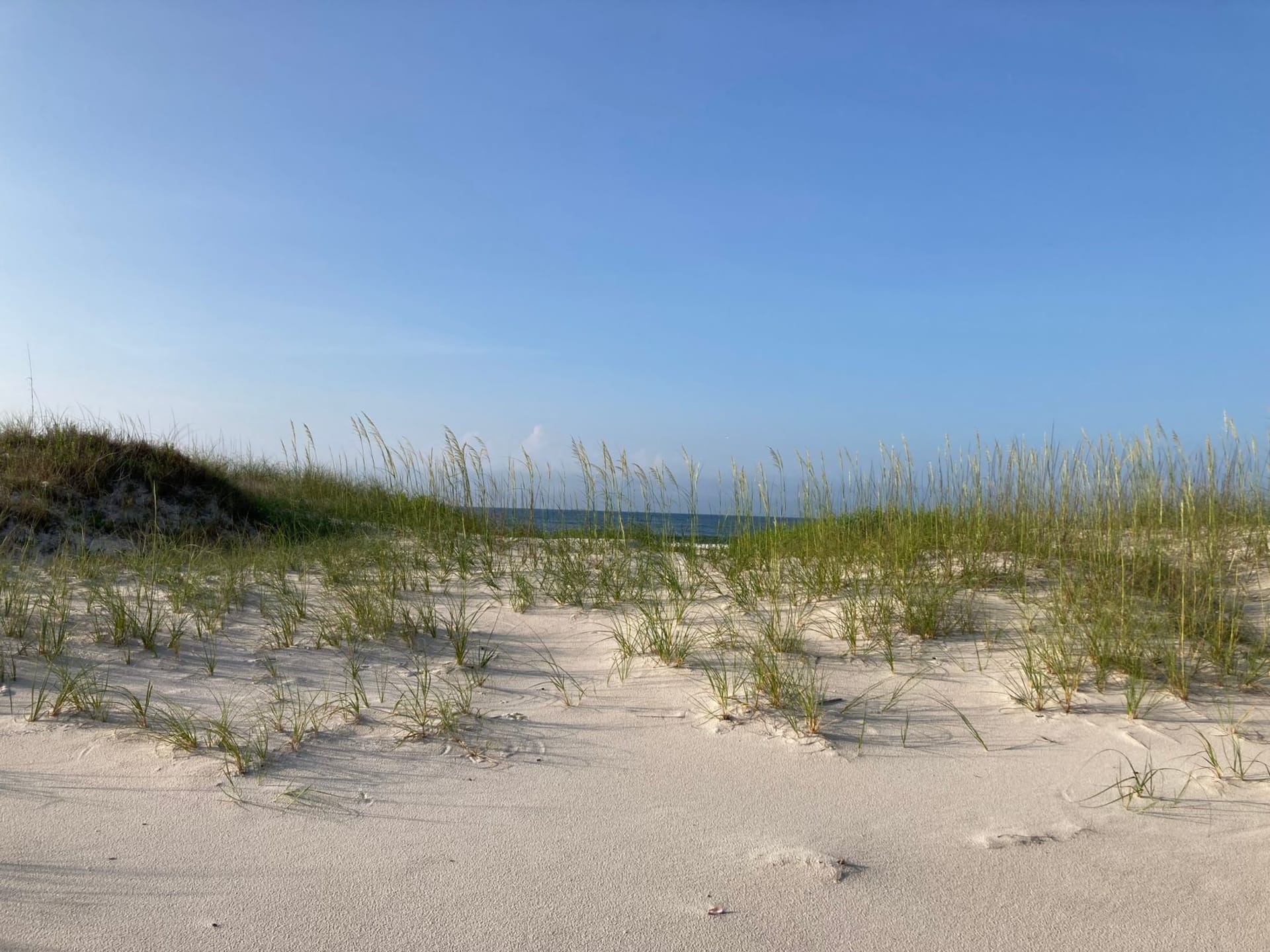
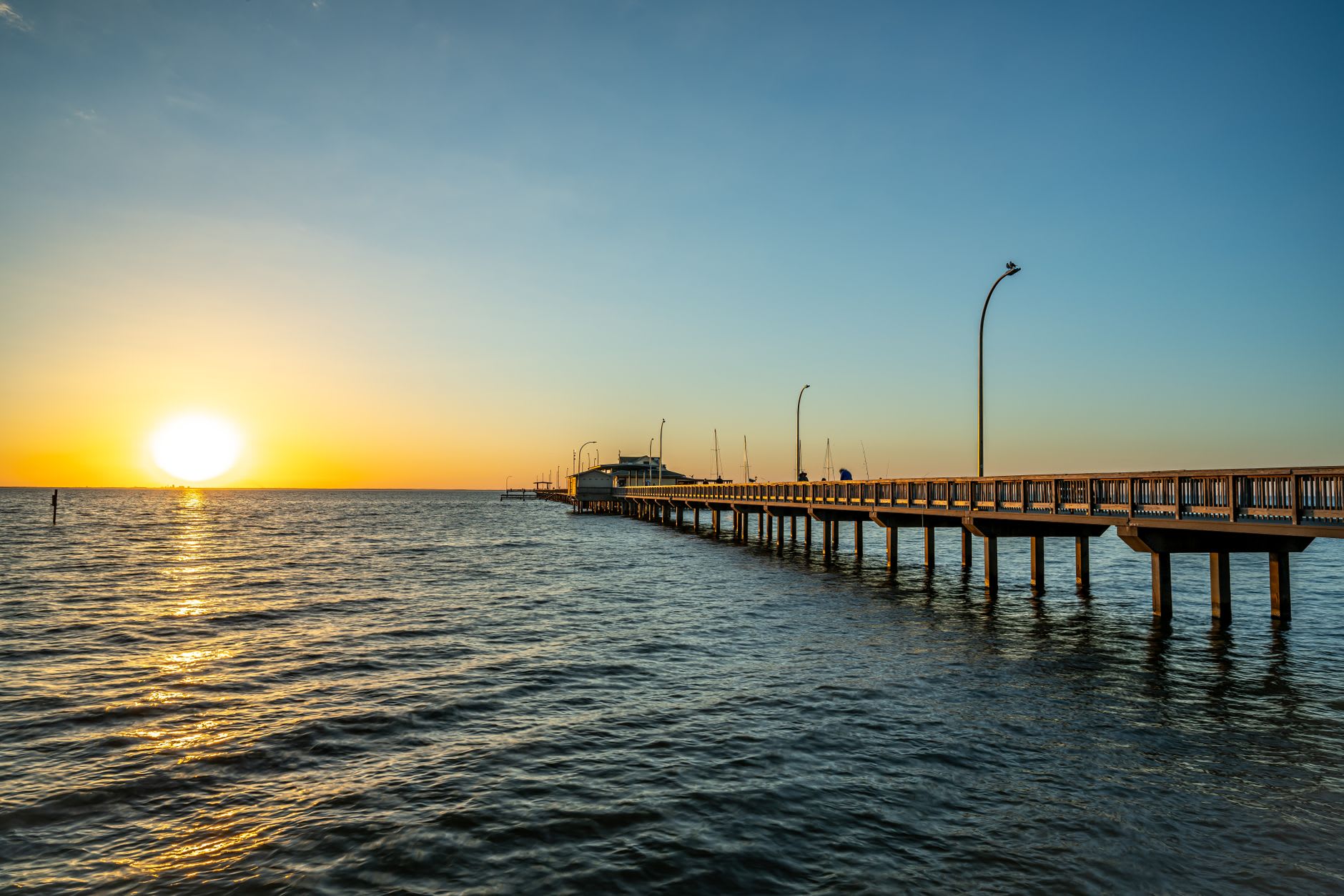
Dauphin Island is a thin scrap of sand off the Alabama coast, reached by a long high bridge over the western mouth of Mobile Bay, and it does not announce itself the way the flashier Gulf resorts do. There are no high-rises. The houses sit up on stilts against the next hurricane, the roads are quiet, and the whole place has the slightly weathered, off-season feeling of somewhere that has decided not to try too hard. I liked it immediately for exactly that reason. We came in April, which I had been told was the right time, and the right time turned out to be an understatement.
The first landfall
For songbirds migrating north across the Gulf of Mexico in spring, Dauphin Island is often the first solid ground they reach after a non-stop flight of hundreds of miles over open water. When the weather turns against them mid-crossing, they arrive in waves — exhausted, hungry, and dropping out of the sky into the first trees they see. Birders call it a fallout, and the small patch of live oaks and shrubs known as the Audubon Bird Sanctuary becomes one of the most concentrated migration spectacles in North America.
I am not a serious birder — I can identify perhaps a dozen species and bluff three more — but standing in that sanctuary at dawn, surrounded by people who had driven from four states with scopes and lens hoods the size of dinner plates, I understood the appeal completely. The trees were alive with small bright things: tanagers, buntings, warblers in a dozen impossible colours, all of them too tired to be shy. A woman near me handed me her binoculars without a word, pointed, and I found a tiny warbler clinging to a branch, fluffed and panting, having just done something I cannot really comprehend. I gave the binoculars back and we both just nodded. There was nothing useful to say.
Sand, forts, and fried shrimp
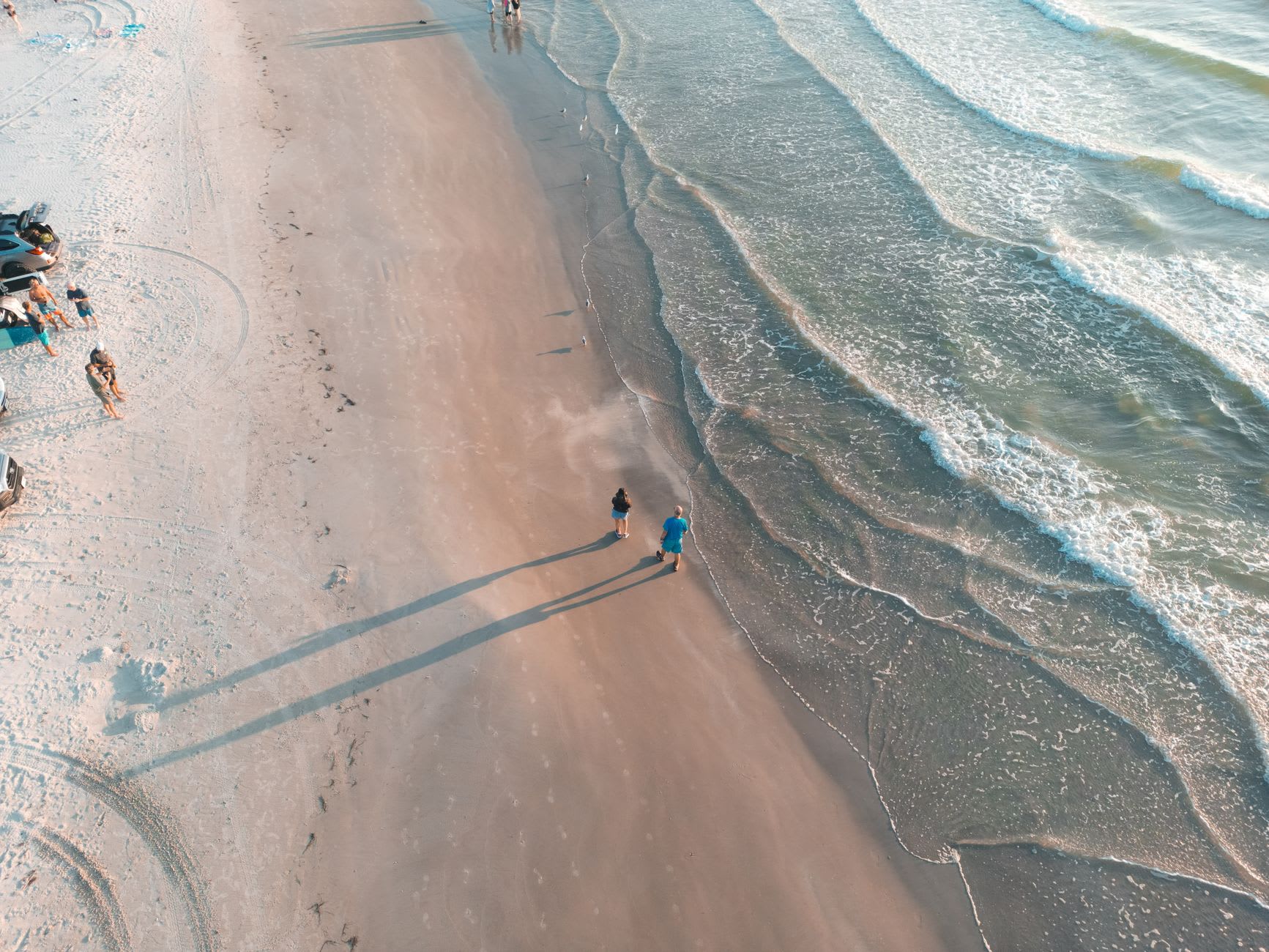
Beyond the birds, Dauphin Island is a properly relaxing barrier island. The public beach on the Gulf side is wide and uncrowded, the sand pale and squeaky underfoot, the water that flat warm green that the northern Gulf does so well. At the eastern tip stands Fort Gaines, a pre-Civil War masonry fort that guarded the bay and saw action during the Battle of Mobile Bay — the one where, legend has it, an admiral said something memorable about torpedoes. Lia, who tolerates my fort habit with visible patience, found the old brick bakery ovens and cannon more interesting than she expected and said so, which from her is high praise.
We ate fried shrimp and oysters at a screened-in shack near the harbour, watched the small ferry come and go to Fort Morgan across the channel, and generally let the island’s deliberate slowness take over. It is the antidote to the condo-wall coastline a few hours east.
Spring migration, roughly late March through early May, is the headline reason to come, and a strong south-blocking front can produce a fallout that birders talk about for years. Outside that window it is simply a quiet, unpretentious beach island — which, frankly, is also a perfectly good reason to come.