Apalachicola
"The shucker had been working that same spot for thirty years, and the oysters tasted like it."
Apalachicola exists in a kind of defiant provincial perfection. It is a town of about two thousand people on the Florida Panhandle, where the Apalachicola River meets the bay, and it has not been substantially modernized because there was never quite enough money or ambition to modernize it. The downtown — three or four blocks of nineteenth-century commercial buildings on Commerce Street — still has its hardware store and its hardware store smell. The riverfront still has working shrimp boats. The oyster houses are still oyster houses, and the oysters from Apalachicola Bay are still considered some of the finest on the Gulf, though the supply has diminished since freshwater diversions changed the salinity of the bay.
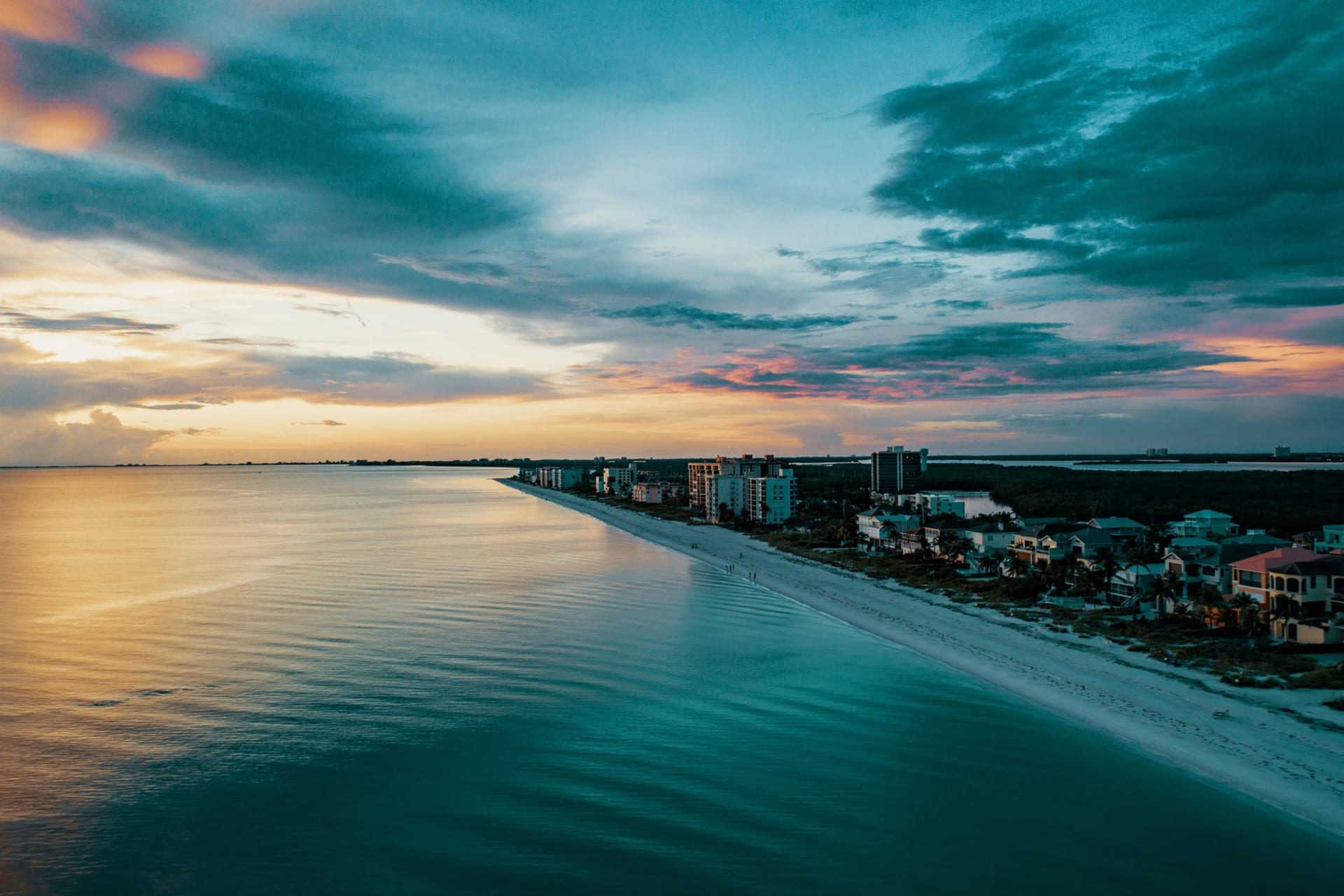
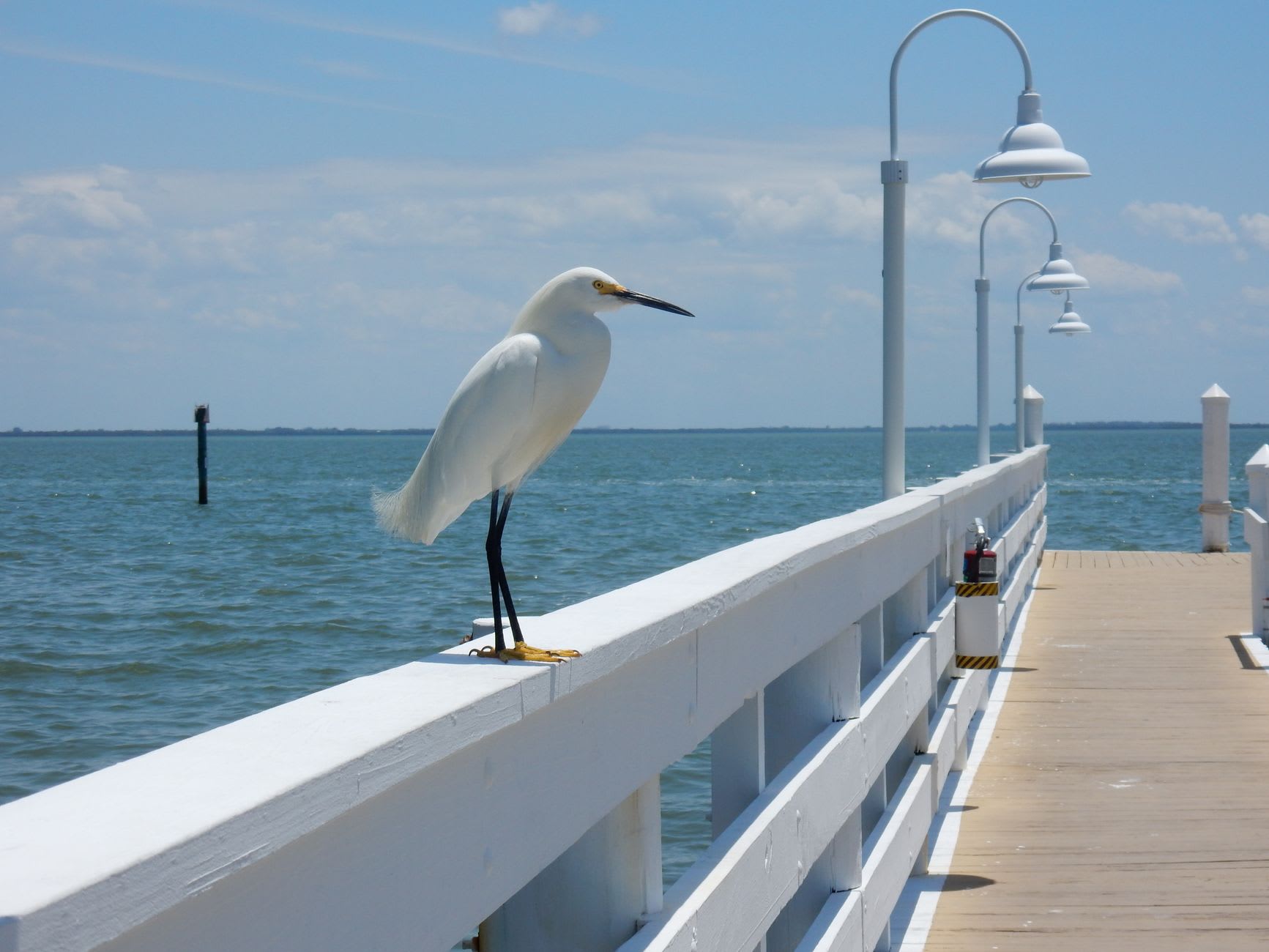
I arrived in October, driving across the Gorrie Bridge from Eastpoint, and the light coming off the bay was extraordinary — low and flat and silver, the kind of light that exists only at certain latitudes in the late afternoon. I parked and walked the waterfront and watched a pelican sit on a piling with the absolute stillness of a bird that has never in its life been in a hurry. A shrimp boat was coming in across the bay, its outriggers lowered, and the whole scene had the quality of something that hasn’t changed in several decades and knows it.
The oysters at the raw bar near the waterfront were the best I ate on the entire Gulf Coast. The man behind the counter had a scarred forearm and opened them with a motion so practiced it barely seemed like work — a flick of the wrist and the shell was open, liquor intact. I ate a dozen standing at the counter, no mignonette, no cocktail sauce, just lemon, the brine hitting the back of my throat with something almost mineral. The bay is cooler than the open Gulf and shallower, and the combination produces an oyster that is genuinely briny and firm. I ordered another six.
The rest of the town I explored on foot, which took maybe two hours even with long pauses. The John Gorrie Museum commemorates the man who invented the ice machine in 1851, trying to cool yellow fever patients, which seemed like an appropriately eccentric thing for this particular town to be proud of. The hotels along Avenue D have the deep porches and ceiling fans of buildings designed for a pre-air-conditioning Southern summer. I sat on one such porch with a beer and watched a thunderstorm develop over the bay in theatrical slow motion, the anvil-shaped cloud building for thirty minutes before it decided to rain.

When to go: October and November are near-perfect: oyster season is in full swing, the summer crowds have vanished, and the weather runs warm and dry. The Florida Seafood Festival in early November fills the town to capacity but is a genuine local event, not a manufactured one, and worth the crowds if you can get accommodation.