Asia
Guizhou
"The China the tourist trail forgot — and the locals hope it stays that way."
A landlocked Chinese province where Miao and Dong minority cultures survived the centuries intact, surrounded by limestone gorges, terraced rice fields, and waterfalls that dwarf anything in the brochures.

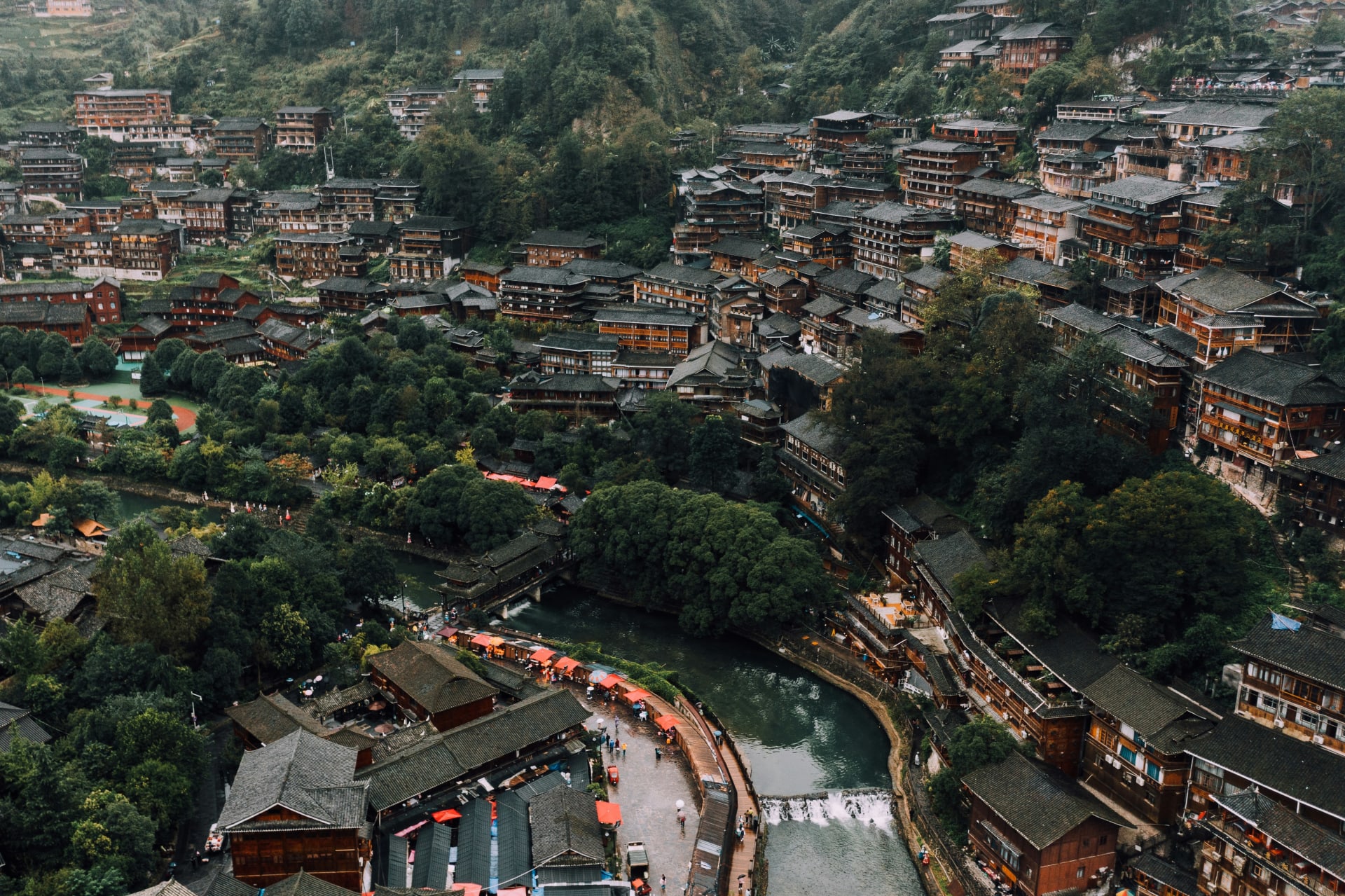
I arrived in Kaili on a slow train from Chongqing, watching the landscape shift from industrial grey to something I was not prepared for: terraced hillsides folded into one another like green origami, wooden stilt houses clinging to slopes at angles that made no engineering sense, and a light so soft and diffuse from the low clouds that everything looked lit from within. Guizhou is consistently ranked among China’s poorest provinces, which is how it remained one of the most extraordinary places I have ever been. Poverty and inaccessibility have a way of preserving things that money would have paved over decades ago.
The minority cultures here — Miao, Dong, Buyi, Zhuang, and dozens of others — are not museum pieces. In the villages around Kaili and Rongjiang, women still wear silver headdresses that weigh several kilograms for festivals, not for tourists but because that is what you wear. The Dong people built their drum towers and wind-and-rain bridges using no iron nails, only wood joinery techniques passed down across generations, and some of these structures are five stories tall and still standing after three hundred years. In Zhenyuan, an ancient town pressed between a cliff and the Wu River, I ate sour fish soup at a table literally hanging over the water and understood for the first time why Guizhou food — punishingly sour, fiercely spicy, built on pickled vegetables and fermented chili — was designed for this climate specifically.
Huangguoshu Waterfall will be on every itinerary, and yes, it is legitimately spectacular — the largest in China, wide enough that you feel the spray before you hear the roar. But the real Guizhou is the two-hour walk through rice paddies to reach Xijiang, the largest Miao village in the world, at dawn before the tour buses arrive, when the wooden houses are smoking with breakfast fires and a woman calls to her chickens from a second-floor balcony. That is the version worth traveling across the world for.
When to go: Late spring (April to June) and autumn (September to October) are ideal. The rice terraces are flooded and mirror-like in April, and harvest season in October turns them gold. Avoid July and August — the rain is relentless and the humidity punishing. The Miao New Year festivals (typically November by the lunar calendar) are extraordinary if you can time your visit around them.
What most guides get wrong: They treat Guizhou as a day trip from Guilin or a filler destination between Yunnan and Chongqing. It is neither. The province rewards slow travel — rent a car or hire a driver for a week and push into the Qiandongnan Miao and Dong Autonomous Prefecture. The villages there have no English signage, no guesthouses aimed at foreigners, and no patience for visitors who arrive expecting convenience. That is precisely the point.
Explore
Places in Guizhou
 guizhou
 Anshun
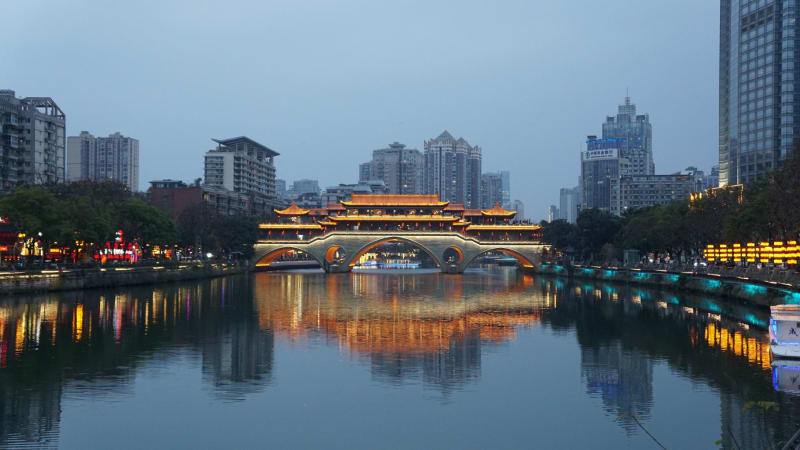
A market town shaped by four centuries of Ming dynasty settlers who never left, producing a culture that exists nowhere else on earth.
Explore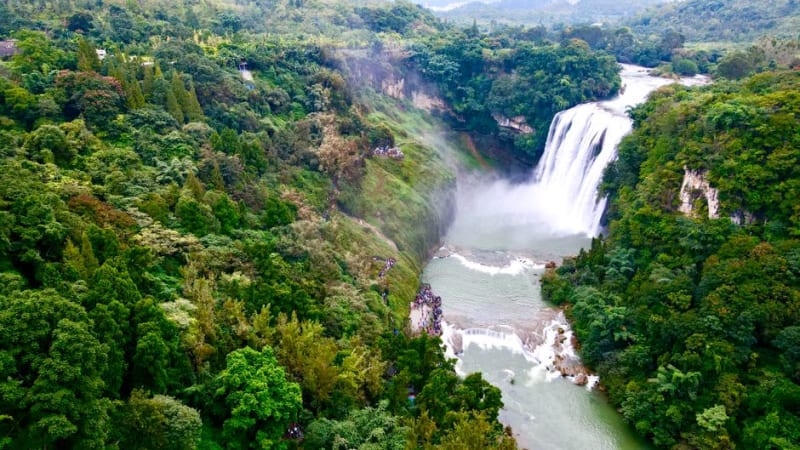 guizhou
 Chishui
A red river carving through fern forests and sandstone canyons to the widest Danxia waterfall on Earth.
Explore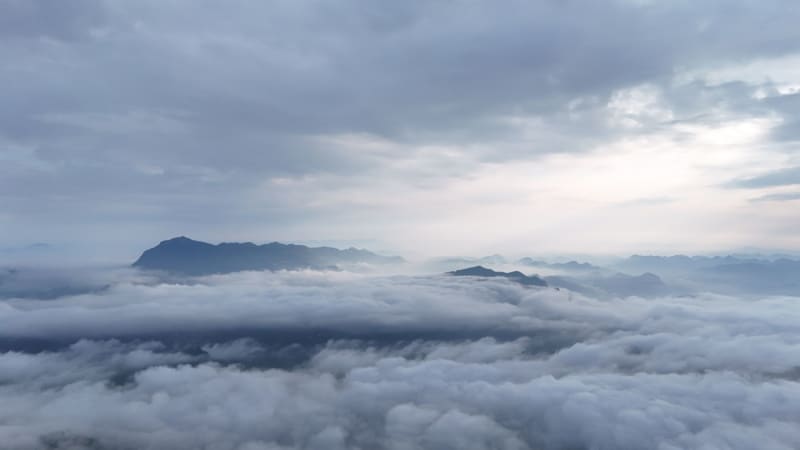 guizhou
 Fanjingshan
A sacred Buddhist mountain in northeast Guizhou crowned by twin temples on a vertical rock pillar, where the cloud forest hides one of the last refuges of the grey snub-nosed monkey.
Explore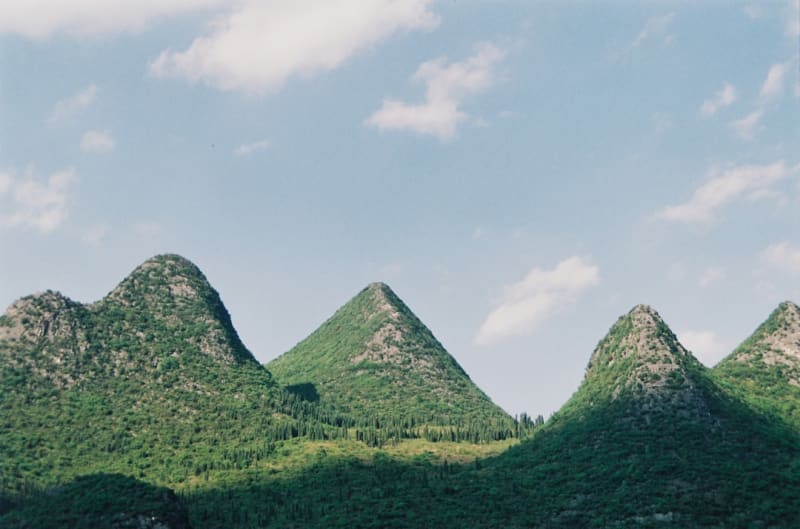 guizhou
 Getu River
A river that vanishes into caves beneath a 116-meter stone arch, where swallows outnumber visitors by the hundreds of thousands.
Explore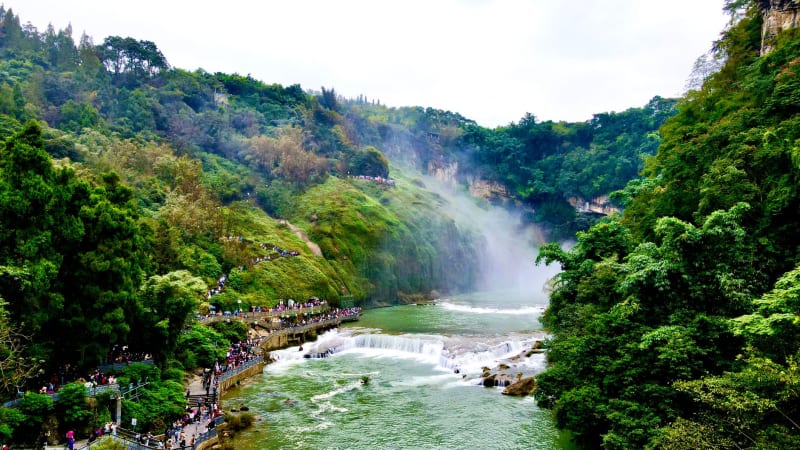 guizhou
 Huangguoshu Waterfall
China's largest waterfall, wide enough that you feel the spray on your skin long before the roar finds your ears.
Explore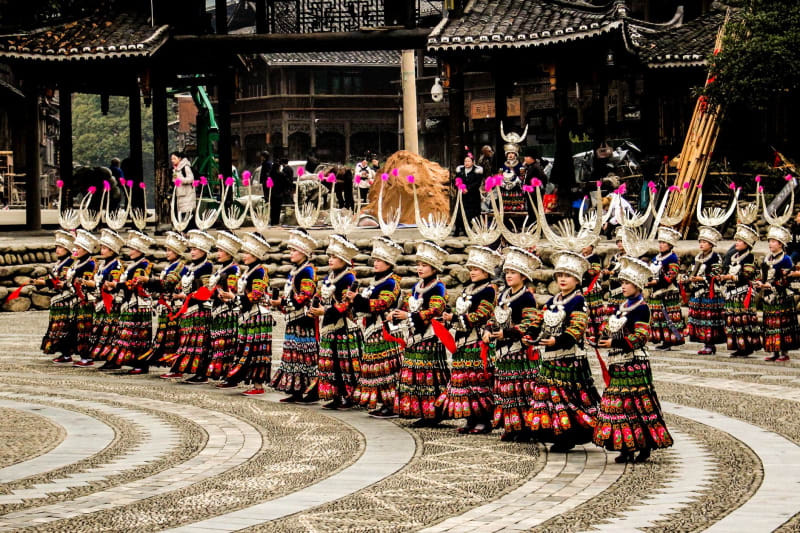 guizhou
 Kaili
The unassuming city that holds the keys to Miao country — not a destination itself, but the door to everything that matters.
Explore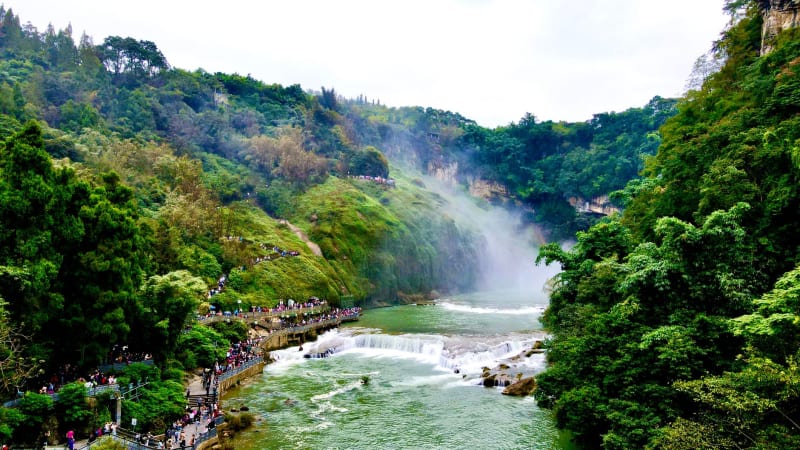 guizhou
 Langde
A small Miao village near Kaili that opens its festivals to visitors without losing the sense that the celebration is for itself.
Explore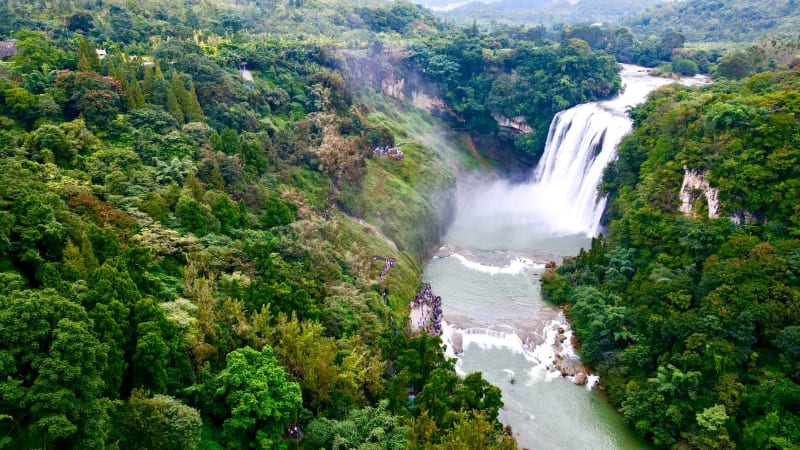 guizhou
 Libo
A karst landscape of cone-shaped hills and lakes so green they look digitally enhanced, where the water genuinely is that color.
Explore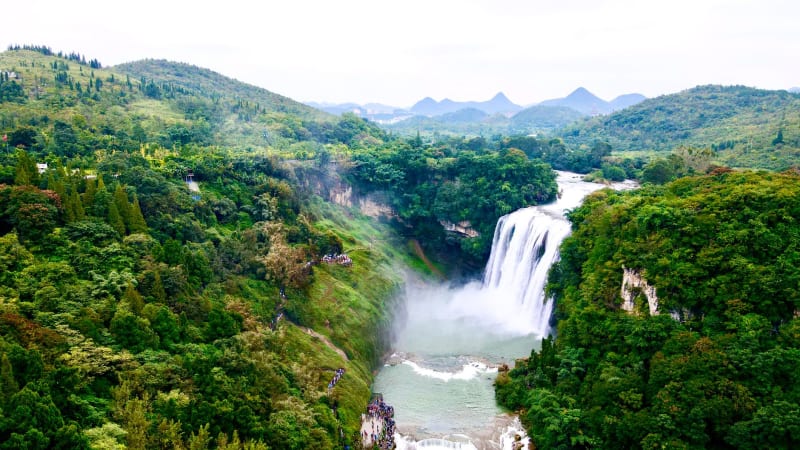 guizhou
 Rongjiang
A river-junction town in the deep south where Dong and Miao cultures overlap and the weekly market is the most vivid hour of any traveler's week.
Explore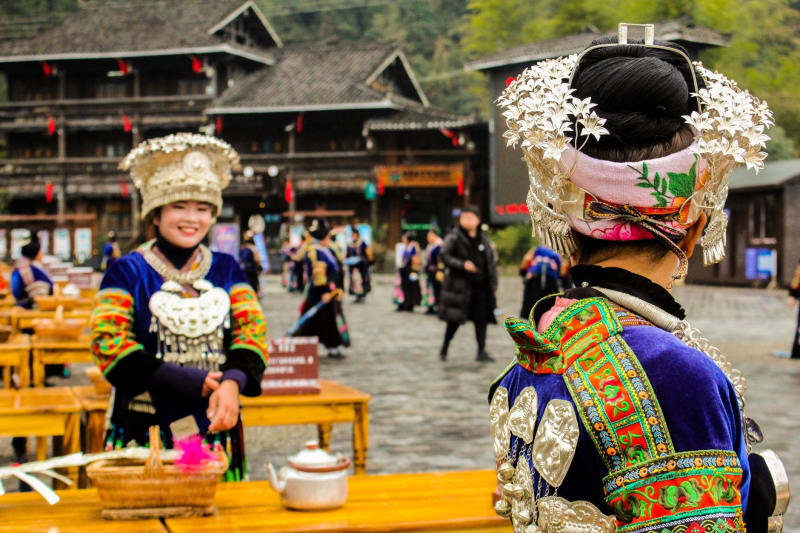 guizhou
 Xijiang
The world's largest Miao village, most electrifying at dawn before the tour buses arrive and the smoke is still rising from breakfast fires.
Explore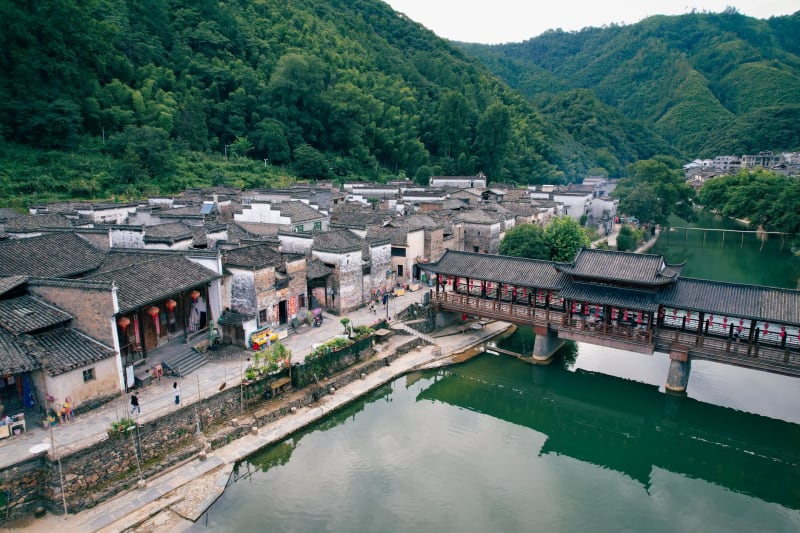 guizhou
 Zhaoxing
A Dong village of five drum towers in a valley so remote it took me three buses and a motorcycle to reach — worth every transfer.
Explore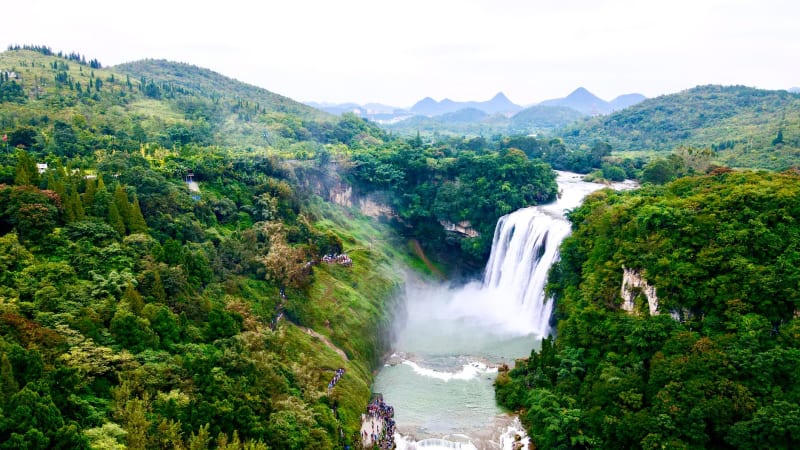 guizhou
 Zhenyuan
An ancient garrison town compressed between a cliff and a river, where every meal tastes better eaten on a platform hanging over the water.
Explore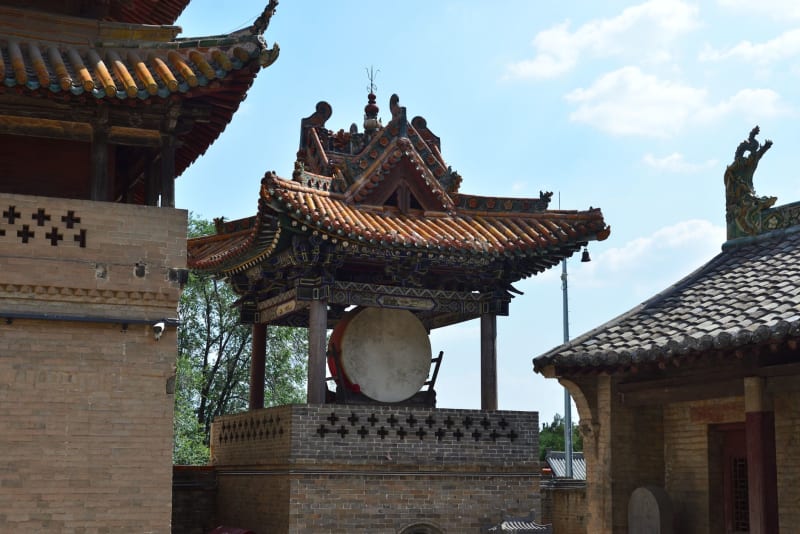 guizhou
 Zunyi
The city where Mao took control of the Long March in 1935, now producing the country's finest baijiu and keeping its revolutionary past in immaculate Communist Gothic.
Explore