A misty, near-forbidden massif on Guinea's southern border where a toad gives birth to live young and chimps still knap stone.
I’d read about Mount Nimba for years before Lia and I actually stood at the edge of it, and even then it took a permit, a local guide named Sekou, and about four hours of asking around in Lola before we were cleared to walk into the reserve proper. It isn’t a mountain you casually stroll up. The range sprawls across three borders — Guinea, Côte d’Ivoire, Liberia — and the whole thing has been a UNESCO Strict Nature Reserve since 1981, which in practice means you don’t wander off-trail and you don’t touch anything that moves. Sekou kept saying “c’est protégé” like it was a warning and a point of pride at the same time.
The climb toward Mount Richard-Molard, the highest point on the Guinean side at 1,752 meters, was slower than I expected — not because it’s technically hard, but because the vegetation changes so fast under your boots that you keep stopping to look. Lowland forest gives way to this eerie montane grassland near the top, all wind and cloud, and Sekou pointed out chimpanzee nests in a tree fork without breaking stride, telling us — matter-of-fact, like mentioning the weather — that the chimps here have been documented using stone tools to crack nuts. I stood there a full minute just processing that.
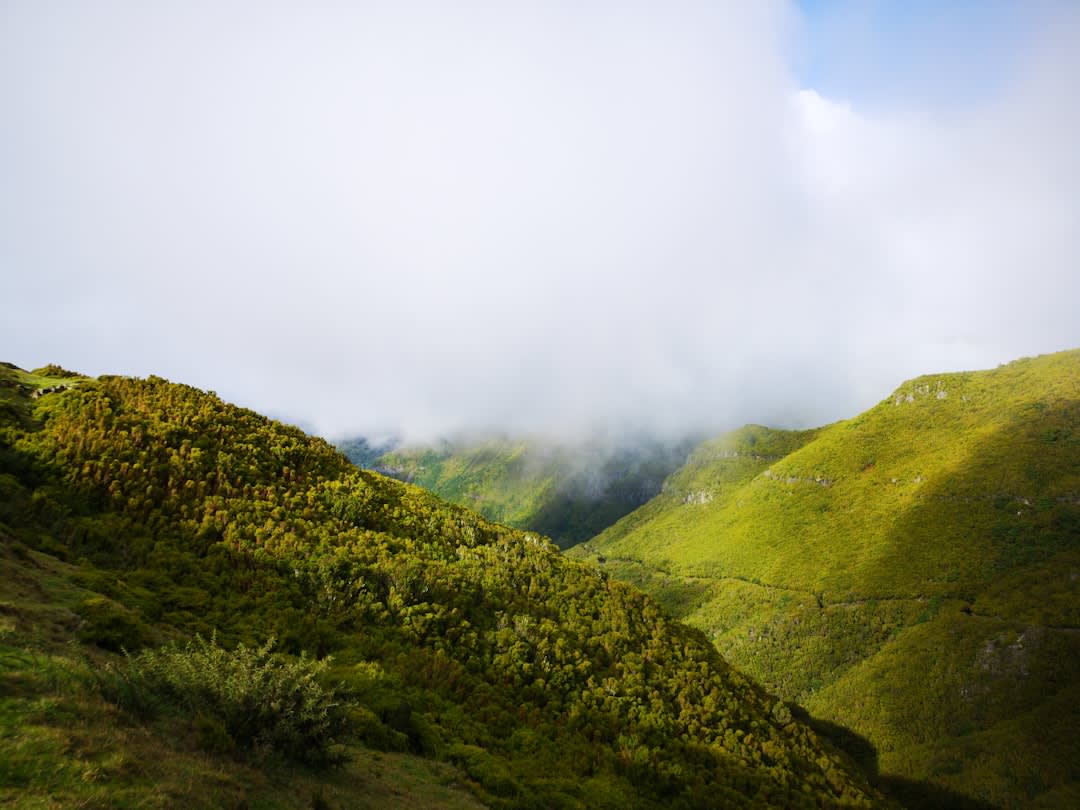
The animal I actually came for, though, never showed itself. The Nimba toad — Nimbaphrynoides occidentalis — is a tiny thing endemic to this exact massif, and it doesn’t lay eggs; it gives birth to fully formed live young, which is bizarre enough for an amphibian that Sekou made me repeat it back to him to prove I understood. We never spotted one in the wet leaf litter where he said they hide, and honestly I think that near-miss made the mountain feel more real, not less. This isn’t a wildlife park with guaranteed sightings. It’s a place where the rarest things stay rare.
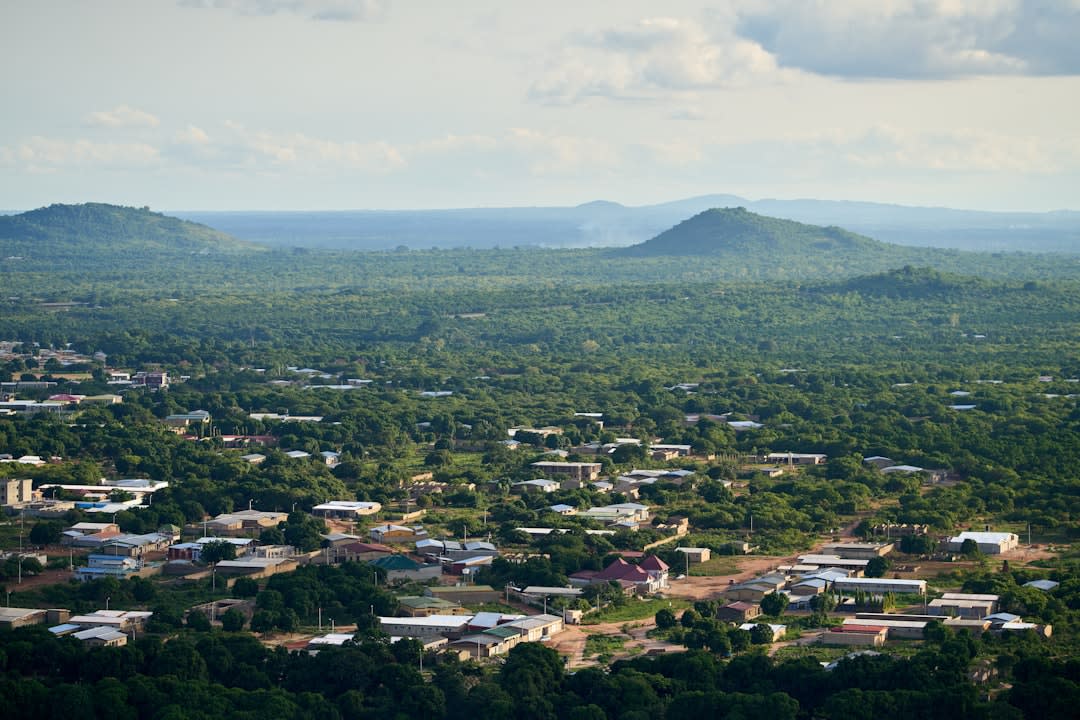
What stayed with me longest, though, was something Sekou said almost in passing on the walk back down: that the iron ore under our feet has been drawing mining interest since the colonial era, and that the fight between digging it up and leaving it alone is basically as old as the reserve’s protected status itself. Standing on ground that valuable and that fragile at the same time, you start to understand why every step here feels a little bit negotiated.
When to go: Aim for the dry season, November to March — the trails firm up, the cloud lifts more often, and your odds of actually seeing wildlife (chimps included, if you’re patient and lucky) go up considerably.
Keep exploring
More from Guinea
 guinea
 Nzérékoré
The capital of Guinea's forest region, where the great West African rainforest begins and the country becomes something entirely different from its highland self.
Explore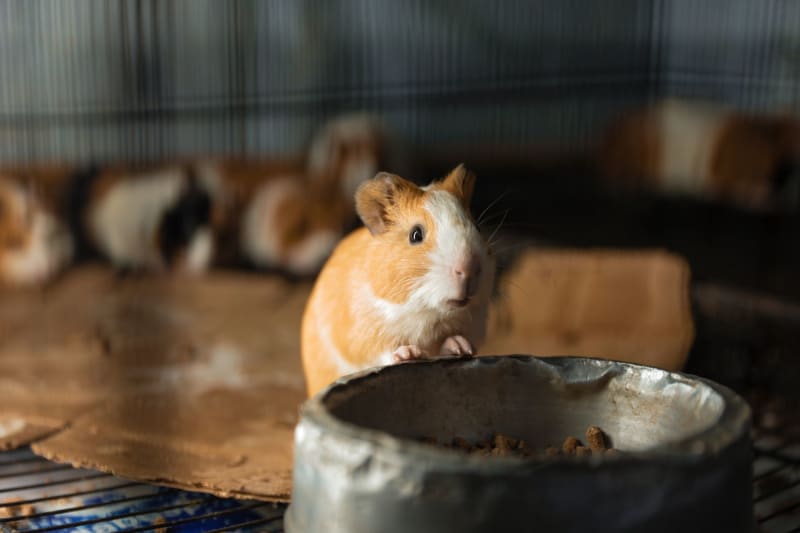 guinea
 Pita
A Fouta Djallon market town where the weekly cattle trade brings the plateau alive and the oranges are the best I have found anywhere in West Africa.
Explore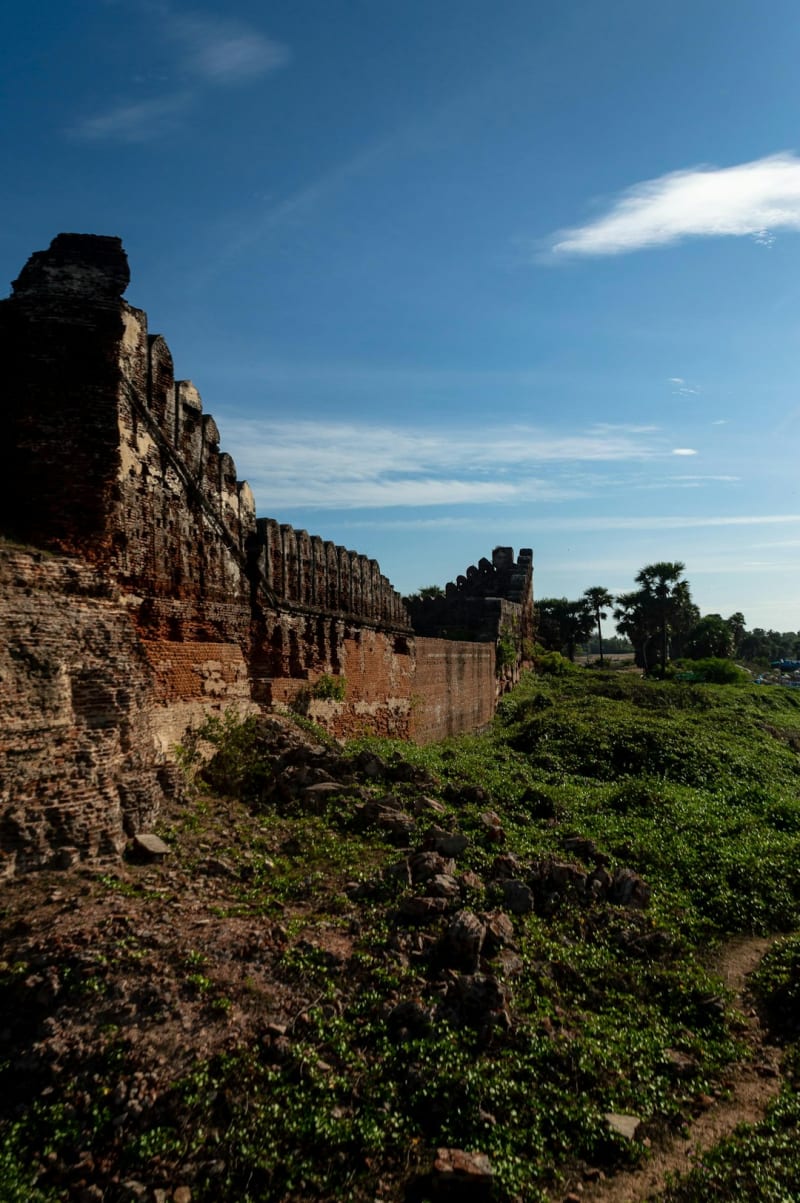 guinea
 Boké
A river port beneath a colonial fort, where bauxite trucks and pirogues share the same slow, humid rhythm of the Rio Nunez.
Explore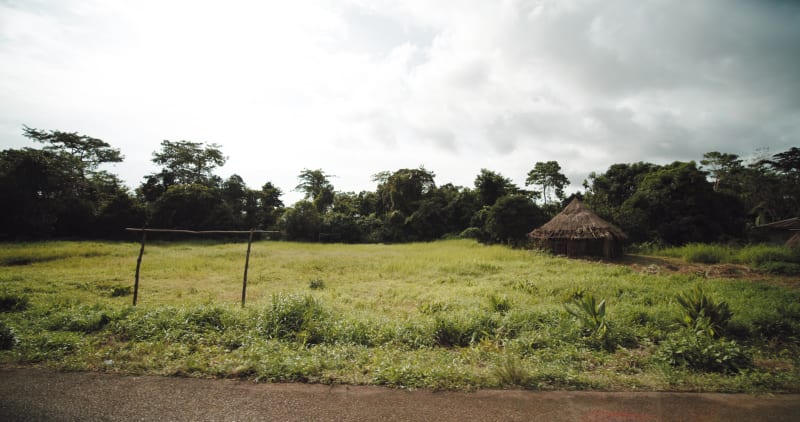 guinea
 Bossou
A small village in the Nimba foothills where chimpanzees use stone tools to crack nuts in a sacred forest that scientists have watched for fifty years.
Explore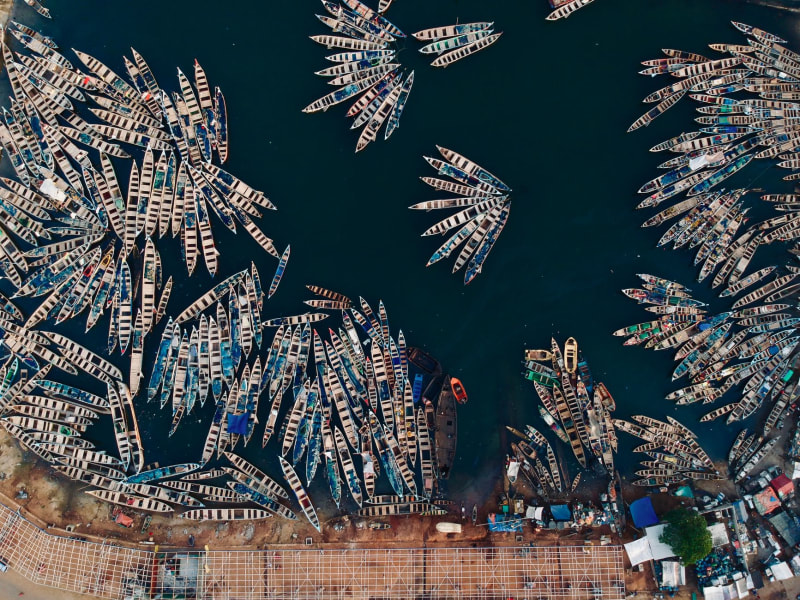 guinea
 Conakry
A peninsula city of impossible energy where the Atlantic meets West African chaos in a permanent, exhausting, magnificent collision.
Explore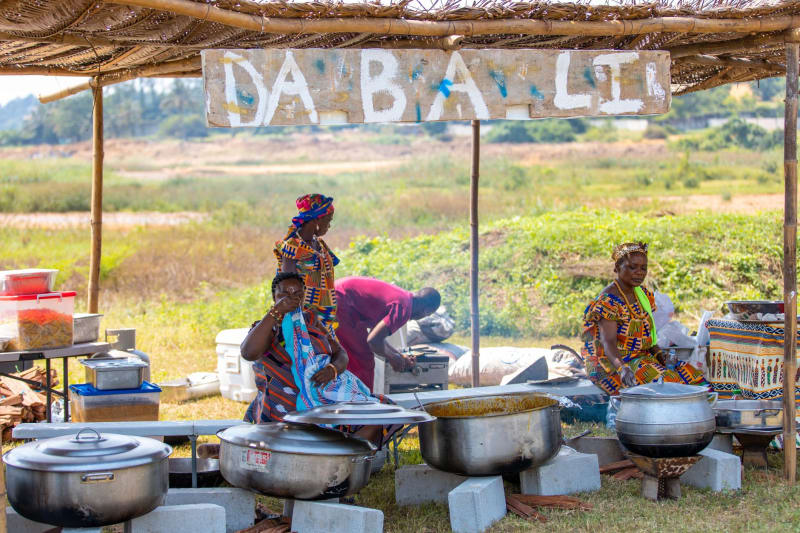 guinea
 Dalaba
A cool highland retreat where French colonial bungalows dot forested hillsides and the air carries the impossible lightness of altitude.
Explore