João Vieira Island
"There were so many turtles it stopped being extraordinary and became something else — something closer to humbling."
João Vieira is not on most maps that tourists use, which is one reason why the turtles still nest there in numbers that marine biologists speak about with unusual emotion. The island, together with the nearby Poilão Island, forms part of a marine national park that protects what is believed to be one of the largest green sea turtle nesting sites in the Atlantic. I had read this before going. Reading it and then standing on the beach at night watching forty, fifty, sixty turtles hauling themselves up the sand simultaneously are experiences that share a name and almost nothing else.
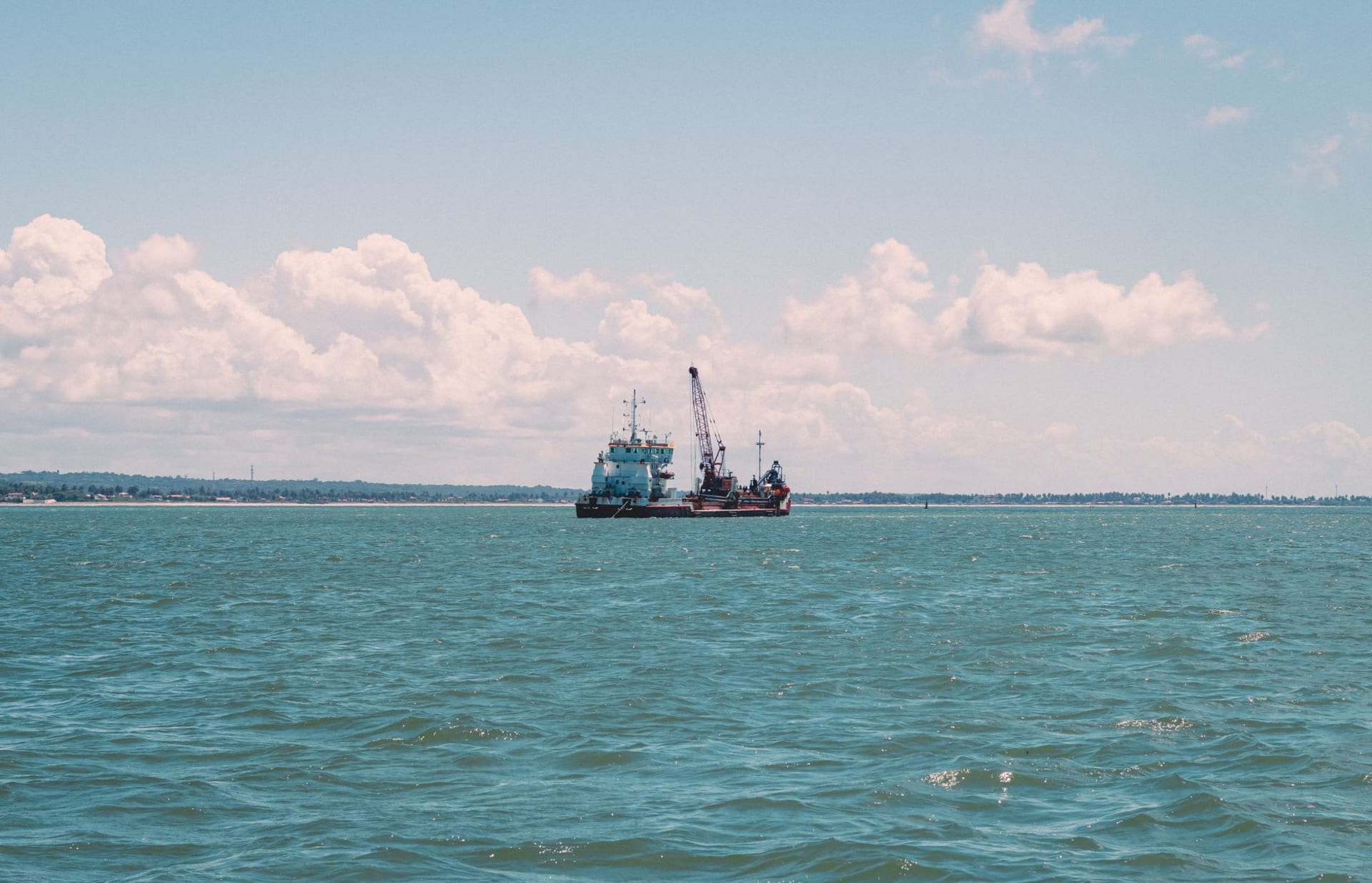
The boat journey from Bubaque to João Vieira takes between three and five hours depending on which way the wind is inclining that day. I made the crossing on a morning when the sea had a long low swell that lifted the pirogue rhythmically and set it down, lifted it and set it down, which was either hypnotic or nauseating depending on the moment. The water changed color as we moved south and east into deeper channels, going from the pale green of the shallows to a blue so dense and saturated it looked artificial. Flying fish burst from the surface beside the boat in arcing silver lines and the man sitting next to me in the bow tracked each one with his eyes with a devotion I found moving.
The reef around João Vieira is in a condition you rarely encounter in the Atlantic — largely intact, unexploited, home to species whose presence in these numbers suggests what the entire West African coastline once looked like before the trawlers came. I snorkelled off the eastern beach for two hours the first afternoon and saw things I could not name, fish in colors that seemed to belong to another latitude, a barracuda that tracked me for ten minutes with the mild contempt of something very confident about the food chain. The coral itself was healthy in a way that was almost startling — not spectacular the way Indo-Pacific reef is spectacular, but dense, varied, full of small dramas happening at close range.
The nesting season runs from November through February, and visiting during this window means sharing the beach at night with animals whose evolutionary program has been running for more than a hundred million years. The guides from the park station lead night walks with red-filtered torches, because green turtles are sensitive to white light and will abandon a nest rather than complete it if disturbed. We moved slowly, quietly, around animals that were completely absorbed in the work of continuing their species. Each turtle digs her nest with her rear flippers, deposits a hundred or more eggs, covers and conceals the nest, and then turns back to the sea. The whole process takes between one and two hours. I watched one complete it start to finish and felt, for the duration, entirely and appropriately irrelevant.
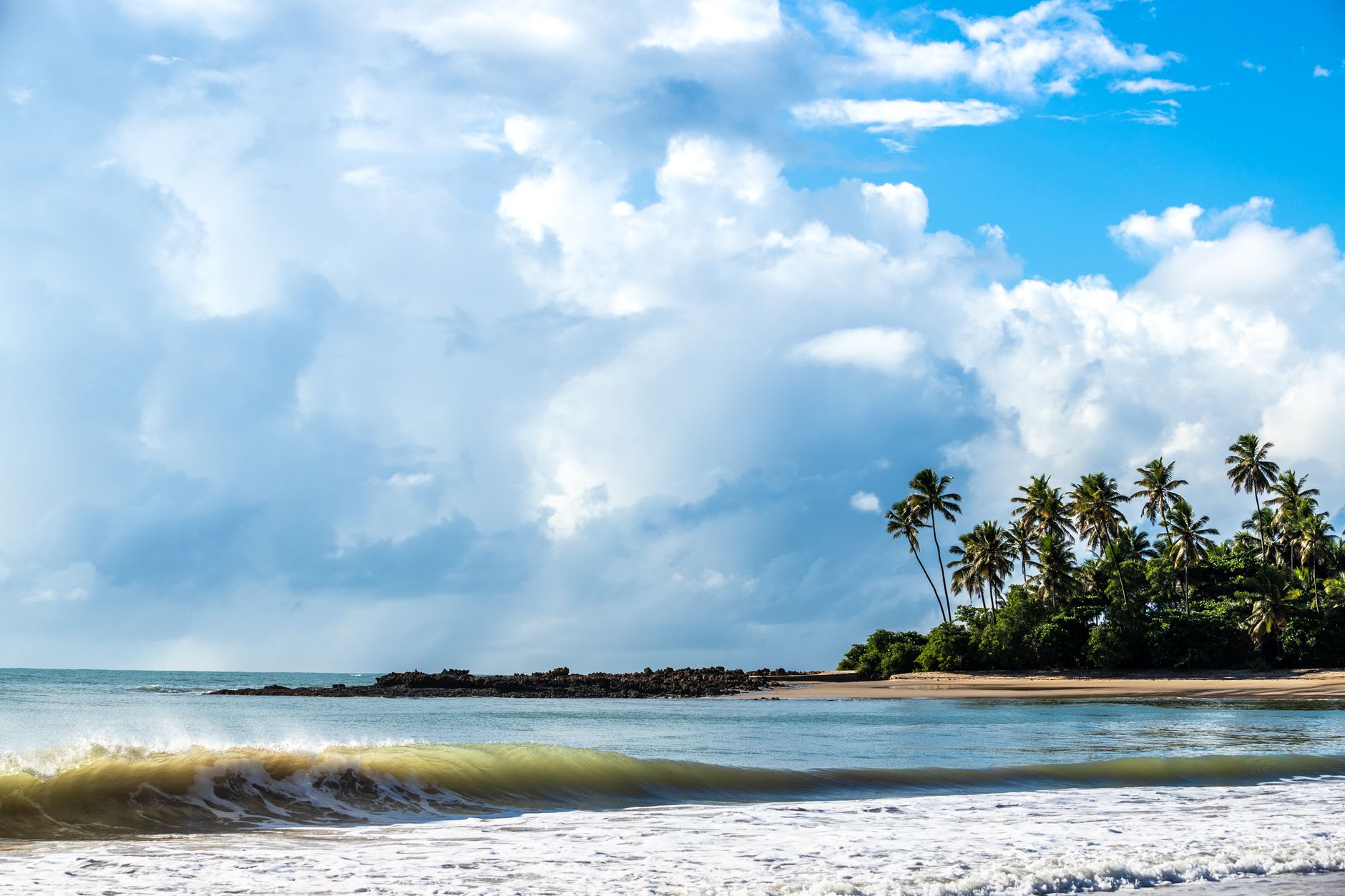
There is no infrastructure on João Vieira beyond the park ranger station and a basic camping arrangement for serious visitors. You sleep in a tent or under a net on the sand and the sound you fall asleep to is the sea arriving and leaving in the dark, and occasionally, if the wind is quiet enough, the sound of a turtle on the beach doing what turtles have been doing here forever. In the morning the beach shows a record of the night — tracks in all directions, the surf erasing the lowest lines but leaving the higher ones intact until the next high tide.
When to go: November through January for turtle nesting season, which is the primary reason to come. The marine park requires permits arranged in advance through official channels or via Bubaque-based operators with park connections. Camping only; bring everything you need.