Africa
Guinea-Bissau
"I had no signal, no plan, and no desire to leave."
I arrived in Bissau on a Tuesday afternoon, which meant nothing in particular because the city seemed to run on a calendar entirely its own. The power was out in the neighborhood where I was staying, which the guesthouse owner shrugged off with the kind of patience you either cultivate or leave. Within two hours I had eaten the best grilled barracuda of my life at a concrete table twenty meters from the water, paid almost nothing for it, and started to understand why almost nobody comes here and why that might be the entire point.
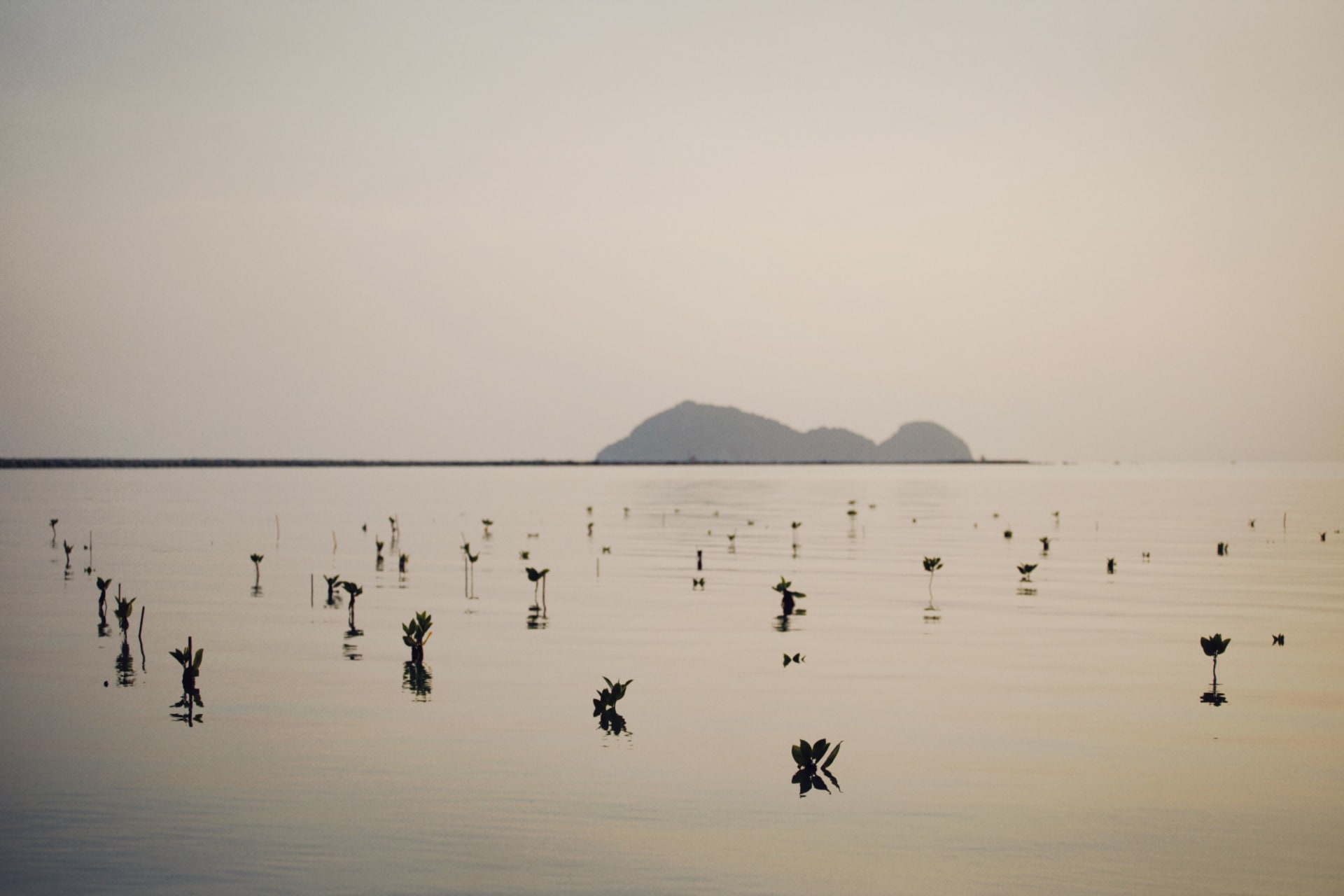
The Bijagós Archipelago is the reason you make the effort. Ferry connections are unpredictable and the boats run when they run, so you surrender the itinerary before you even climb aboard. The islands — Bubaque, Orango, Uno, João Vieira — are not postcard destinations. They are places where the line between land and sea has never quite been settled. Mangroves colonize the shallows with the patience of something that has been growing since before anyone named these waters. Saltwater hippos patrol Orango’s lagoons in a population found nowhere else on earth. The Bijagó people, who never accepted Portuguese colonial rule in any meaningful sense, maintain a matriarchal social structure that still shapes how land is held and how decisions get made. This is not context for tourists — it is simply how things are.
The food runs on palm oil, dried fish, and a fermented cashew wine called cana de cajú that costs almost nothing and that I drank cautiously, then not cautiously at all. Bissau’s Bandim market in the early morning — piles of smoked fish, women sorting dried shrimp, the smell of frying dough from a cart I kept losing in the crowd — was more alive than any destination marketed as a culinary capital. I kept returning to a woman who sold a peanut stew so rich and slightly smoky it made me think about it for weeks afterward.
When to go: November through May is the dry season, when the roads are passable and the ferries to the Bijagós run with something approaching regularity. The rains arrive in June and stay through October; the interior becomes difficult and some islands effectively cut off. December and January offer the clearest skies and the most tolerable heat.
What most guides get wrong: They treat Guinea-Bissau as a footnote — an “off the beaten path” box-tick for travelers who have exhausted everywhere else. That framing misses what makes it genuinely unusual. This is not a rough-around-the-edges version of a more developed neighbor. It is a functioning world with its own logic, its own political history, its own extraordinary ecology. The Bijagós is a UNESCO Biosphere Reserve with some of the most intact coastal habitat in West Africa. The difficulty of getting there is not the attraction — but it does filter the crowd, and the crowd that remains is better for it.