
Cantanhez Forest
"A chimpanzee screamed somewhere above us and the whole forest changed key."
I heard the chimpanzees before I was anywhere near them. Their calls traveled through the Cantanhez forest in the early morning with a clarity that the vegetation did nothing to muffle — a sound that is simultaneously alien and utterly familiar in a way that registers somewhere below the thinking part of the brain, some older recognizing thing. My guide, António, stopped walking and held up one hand. We stood still. The calling continued for thirty seconds or so and then stopped completely, replaced by the ordinary sounds of the forest: insects, the drip of moisture from the canopy, somewhere distant the knock of a woodpecker working the dead wood above us.
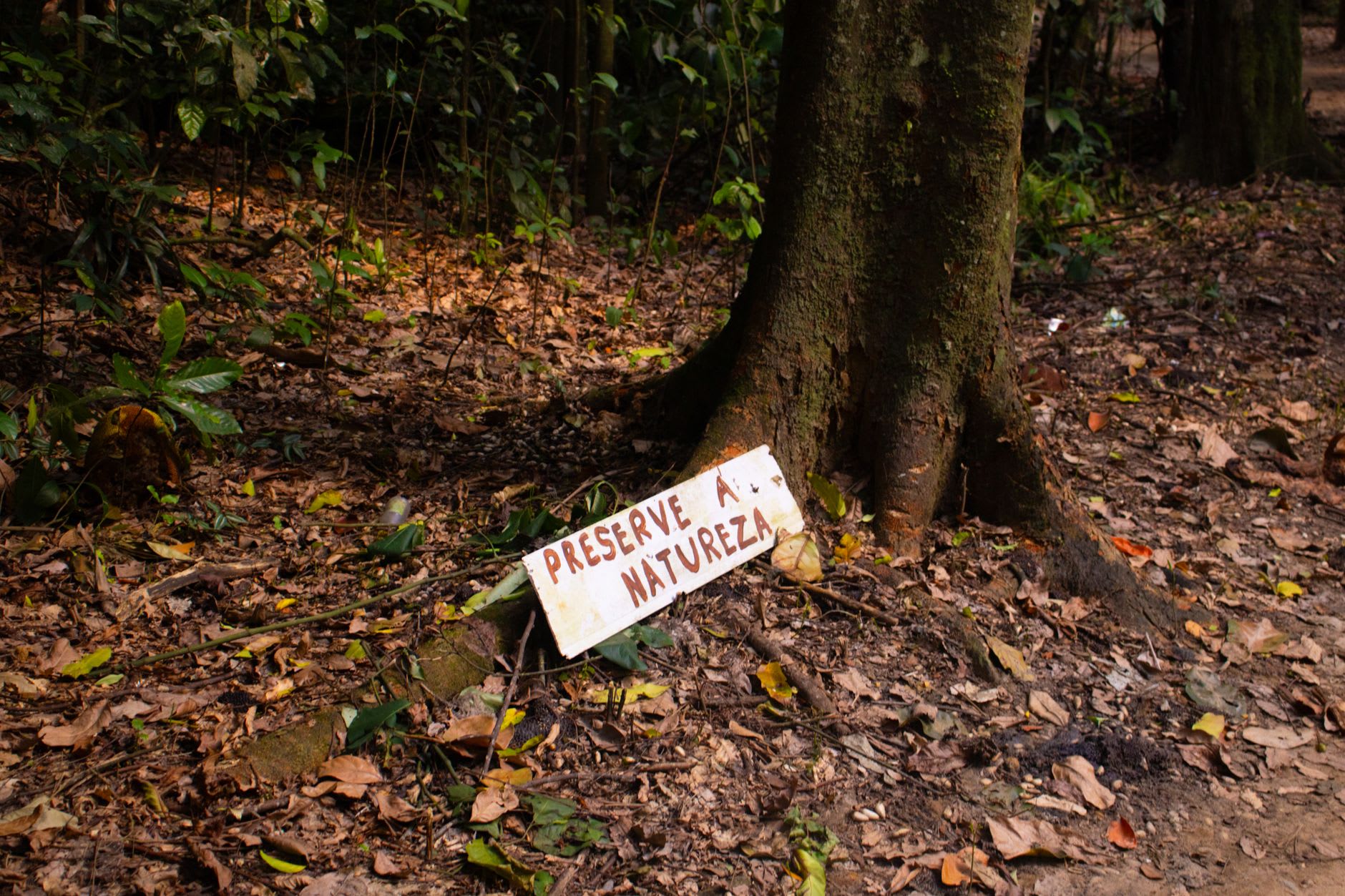
Cantanhez National Park occupies the southwestern corner of Guinea-Bissau, a stretch of semi-deciduous forest that represents one of the last significant forest blocks in this part of West Africa. It is not the Congo and it is not the great equatorial forest; it is something more intimate, more complicated, a forest that has been lived in and around by the Nalu and Sosso communities for centuries, used for agriculture in its margins, hunted in ways that are now technically restricted but that follow older arrangements than any national park can easily contain. The forest has a quality of having survived by being too wet, too dense, too remote to make worthwhile clearing before the national park designation arrived to make clearing illegal.
We tracked the chimpanzees for three hours on the second morning. António had been doing this for eleven years and he read the forest with a fluency I found quietly astonishing — broken branches, track patterns in the mud, the specific quality of silence following a disturbance, dung that was hours versus days old. He spoke to me in a mix of Portuguese and Kriol about the individual animals he knew, their personalities and ranges and the specific trees they returned to at certain times of year. This was not the narrative of a tour guide performing knowledge for a visitor; this was a man talking about his neighbors.
We found them in a fig tree that was in full fruit, twelve chimpanzees from a single community, some feeding and some grooming and one juvenile who seemed primarily interested in dropping material on the two humans watching from below. We sat on the forest floor for forty minutes, looking up. The quality of attention in both directions was remarkable. Several adults looked down at us with an expression that I can only describe as evaluation — not fear, not aggression, something more like the disinterested assessment of beings who have decided we do not constitute a threat but have not yet decided whether we are interesting. Eventually they moved off through the canopy in a direction that did not include us.
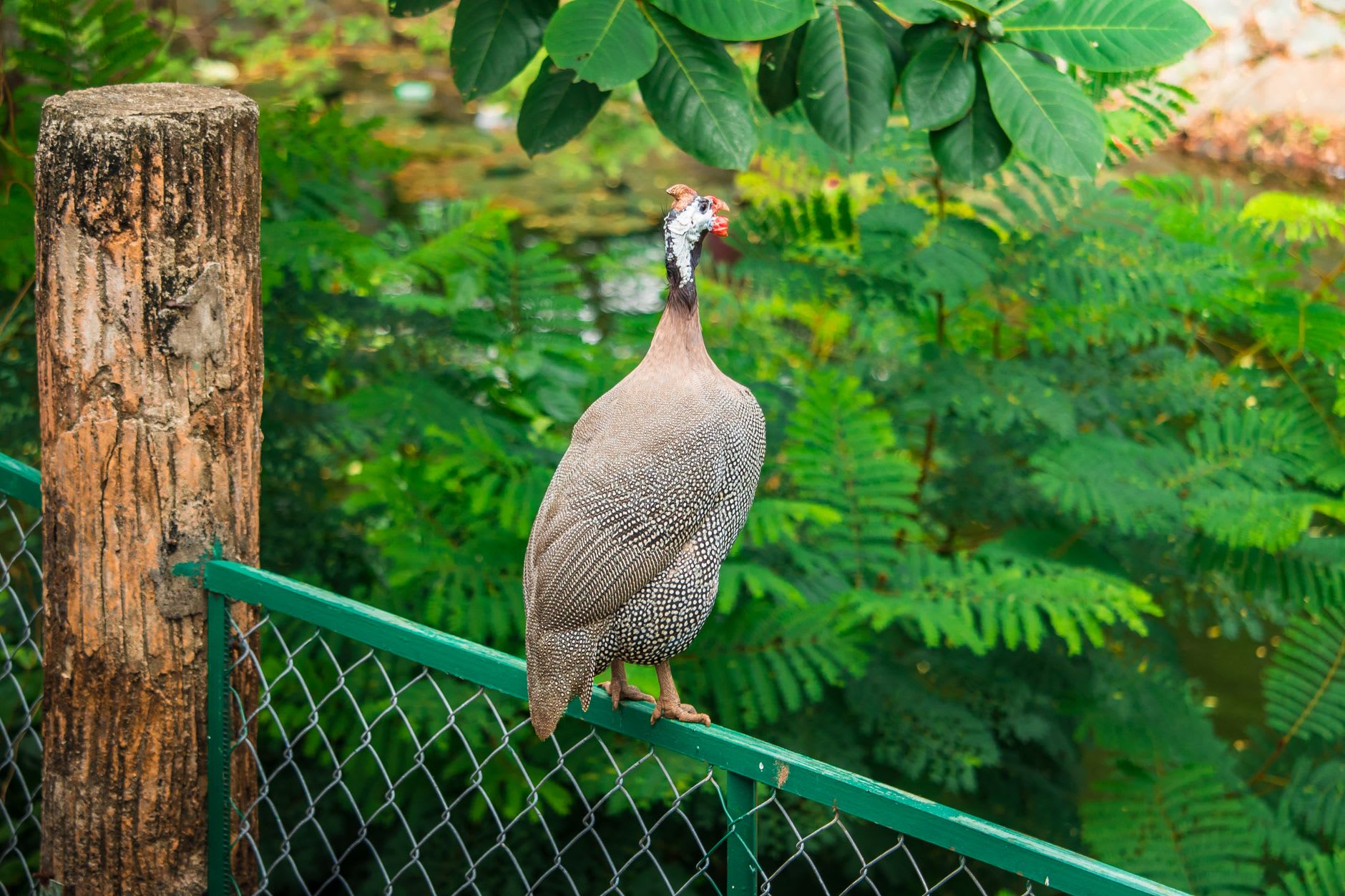
The forest also holds forest buffalos, pygmy hippos — a separate population from the saltwater hippos of the Bijagós — red colobus monkeys, and a birdlife that I had not even begun to document before António was pointing out species I had never encountered in any field guide. A Nile monitor lizard crossed the path ahead of us on the third morning at a walking pace that suggested it had done the math on our respective sizes and found us unconvincing. The river that runs through the southern section of the park was low enough in December to wade in places, and it was cold in the way that forest rivers are cold, a coldness that has nothing to do with air temperature and everything to do with shade and depth.
I slept at a community camp at the edge of the park, a collection of thatched structures run by a collective of local families who receive visitors as part of a community tourism arrangement that funnels money back into the park’s unofficial guardians. The food was simpler than anything I ate on the coast — rice, a sauce of groundnuts and greens, dried fish broken into the sauce, eaten from a shared pot at a table built from local wood. After dinner, sitting outside in the dark, the forest began its night shift: the sounds changed completely, deepened, multiplied, and somewhere in the middle distance something moved through the undergrowth with an unhurried weight.
When to go: November through March is the dry season and the only period when the roads into the park are passable by standard vehicle. The wet season is when the forest is most alive, but the tracks flood and the communities that manage access are not reliably reachable. The chimpanzees are present year-round but most visible when fruit trees are fruiting, which peaks December through February.