Canhabaque Island
"Some places don't wait for you to arrive — Canhabaque just keeps living exactly as it was before you showed up."
A remote Bijagós island reached by weekly canoe, where matriarchal tradition and animist rites endure largely untouched by the outside world.
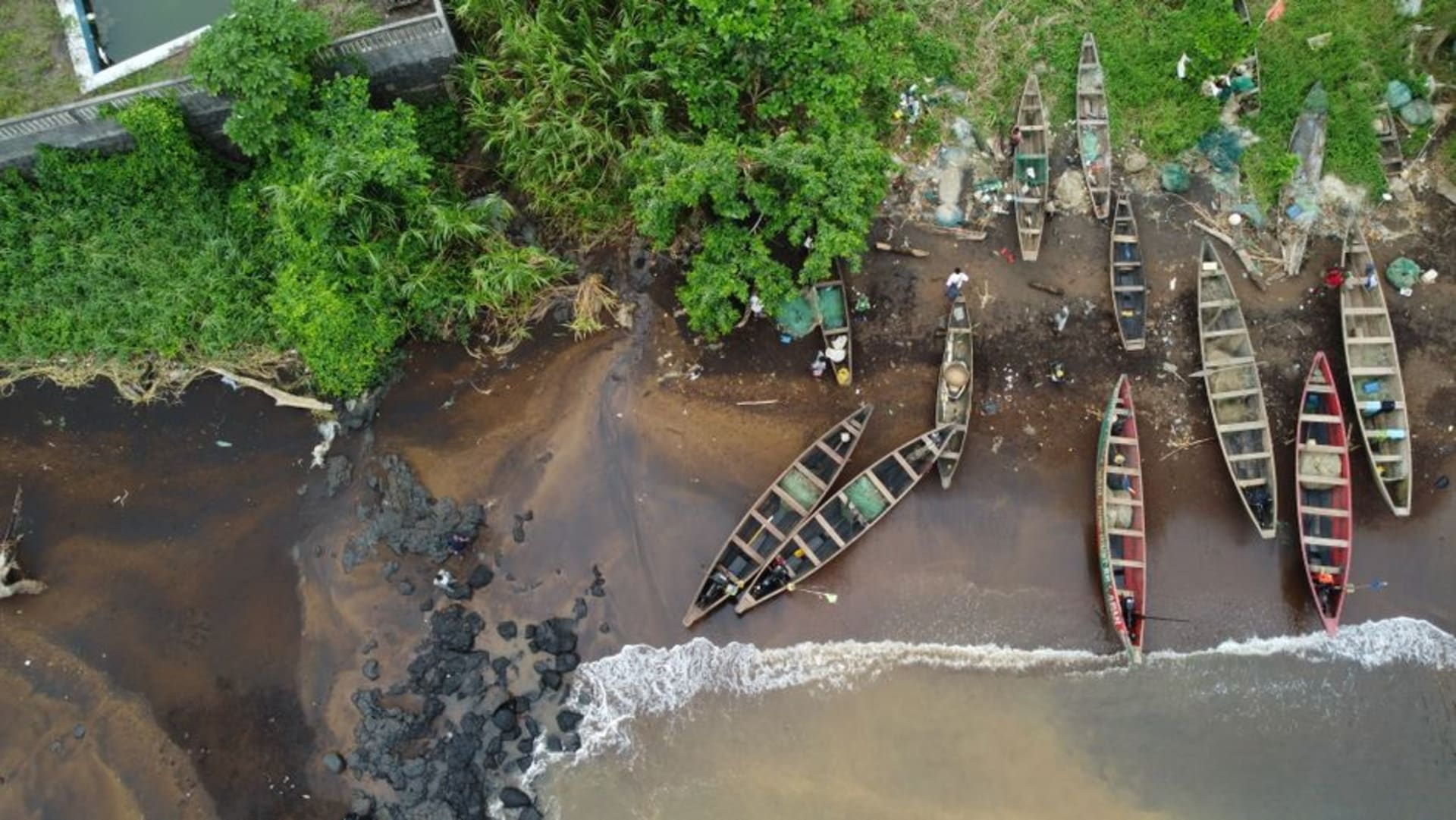
I’d heard about Canhabaque for weeks before I ever set foot on it, always in the same hushed tone people use for places that resist being turned into a destination. Locals in Bubaque called it Roxa and told me, half-joking, half-serious, that it had its own rules. There’s no dock waiting with a schedule, no ferry company selling tickets — just one public canoe that leaves for the mainland once a week, weather and tides permitting. Lia and I planned our whole loop through the Bijagós around that single crossing, and I remember sitting on a wooden bench at dawn in Bubaque, coffee in hand, watching men load sacks of rice and cashews into a hollowed-out pirogue, wondering if we’d actually make it across before the wind picked up.
We did, eventually, after nearly three hours low in the water with maybe twenty other passengers, salt spray soaking through my shirt. Canhabaque doesn’t announce itself with anything dramatic — no jetty, no welcome sign — just a shallow beach where the canoe grinds to a stop and everyone wades the last stretch carrying their own bags. What struck me almost immediately was how unhurried everything felt, like the roughly 3,500 people who live scattered across the island had never needed to perform “authenticity” for anyone, because nobody usually shows up to watch.
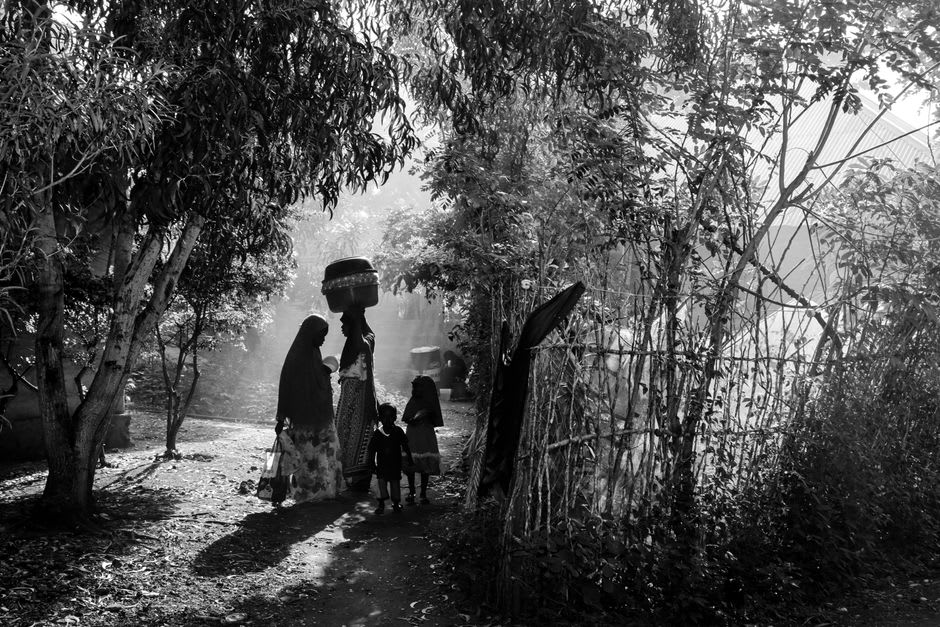
An older man in Ancorada, the village where we ended up staying two nights, told me the Bijagó people trace their arrival from the mainland back to this exact island — that Canhabaque was the first place their ancestors settled before spreading across the archipelago. He said it plainly, not as folklore performed for a visitor but as a fact he assumed I already half-knew. I didn’t push further; the island still holds initiation rites and animist practices that aren’t really mine to ask about, and I was careful about that, sticking to what was offered rather than what I was curious enough to demand. What I could see, though, was the matriarchal thread running through daily life — women who, I was told more than once, are the ones who choose their husbands here, not the other way around. Lia found that detail delighted her more than almost anything else we learned in Guinea-Bissau.
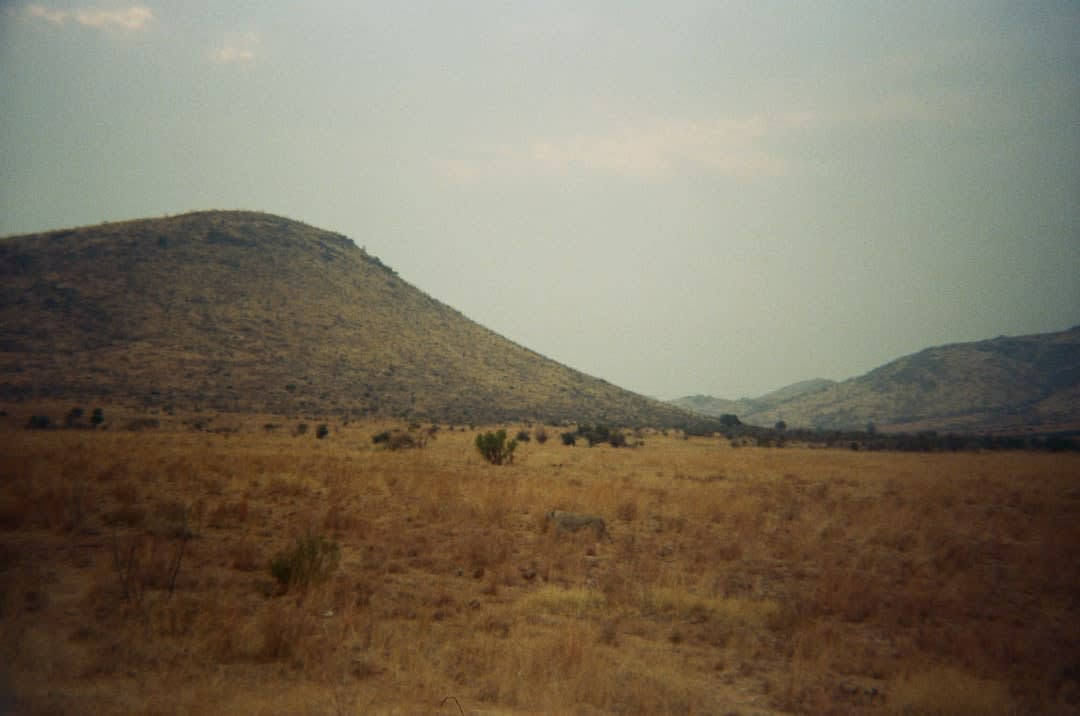
Canhabaque sits inside the buffer zone of the Bolama-Bijagós Biosphere Reserve, a UNESCO designation from 1996, and you feel that protected, half-forgotten quality everywhere — in the quiet of the paths between villages, in how little infrastructure interrupts the palm forest. We didn’t come looking for beach resorts or itineraries; we came because a place that only lets the outside world in once a week on its own terms felt like the most honest way to understand what the Bijagós actually are.
When to go: Aim for the dry season, December through May, when the sea crossing is far calmer and the weekly canoe is less likely to be delayed or cancelled altogether — outside that window, getting to Canhabaque at all becomes a genuine gamble.