Bubaque Island
"The ferry schedule is a suggestion. The tide is the actual timetable."
The boat from Bissau took four hours on a good day. The day I crossed it took closer to six, because the engine needed attention somewhere past the halfway mark and the captain spent forty minutes on it with a wrench and the kind of focused calm that suggested this was not an unusual situation. Nobody on the boat seemed alarmed. Two women near the bow continued shelling groundnuts into a plastic bucket. A man in the stern fell asleep against a sack of rice and did not stir when the engine finally turned over with a sound like something reluctantly agreeing to continue.
Bubaque is the main island of the Bijagós Archipelago and the practical gateway to the rest of it — the place where the ferry from the mainland deposits you, where the guesthouses are, where the boats to the outer islands can be arranged if you are patient and willing to ask the same question multiple times at different places. The town itself is small enough to walk end to end in fifteen minutes: a main street of packed red sand, a market building from which the smell of dried fish never fully lifts, a few structures built in the Portuguese colonial style that have been doing their best to survive the humidity for seven decades.

I found a room at a guesthouse run by a Guinean man who had lived for twelve years in Lisbon and returned because, as he put it with no apparent irony, Lisbon was too complicated. His guesthouse had a generator that ran from six to ten in the evening and a kitchen that produced one meal: whatever fish came in that day, grilled, with rice and a salsa of chili and onion that varied in heat intensity in a way that seemed to depend entirely on the mood of the cook. I ate this every evening for five days. I did not once feel the need for anything else.
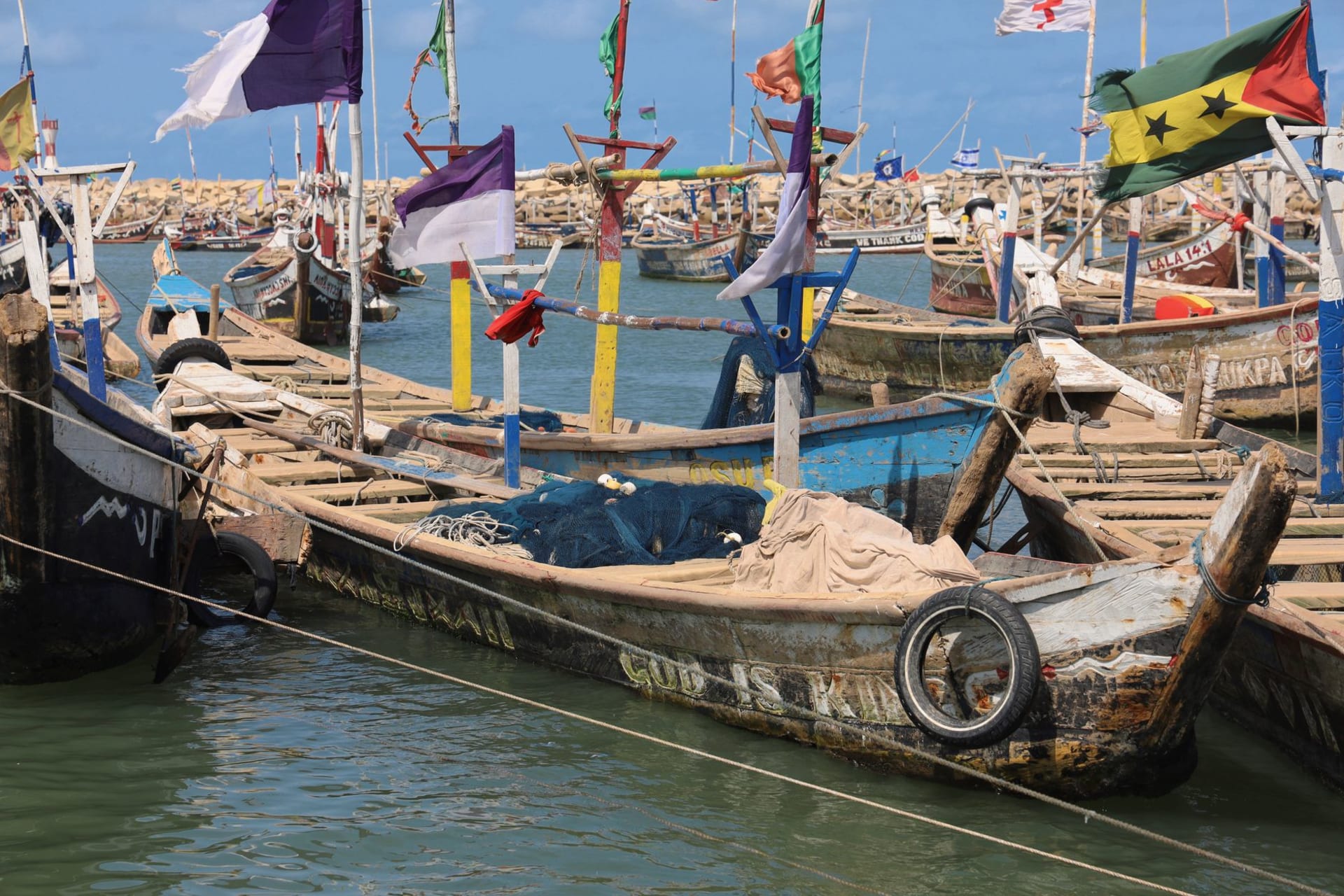
The real business of Bubaque happens at the waterfront, where the pirogues arrive and depart on schedules that respond only to wind and tide. I spent a morning there watching the movement — long narrow wooden boats hauled up the sand, loads transferred with the efficiency of men who have been doing this their whole lives, a woman arguing with a cargo handler over a crate of mangoes with the kind of specificity that suggested the argument was about something far older than mangoes. The water at low tide revealed a vast shallow flat that caught the light and turned it into something close to mirror glass, the distant silhouette of the next island appearing and dissolving in the haze.

From Bubaque, everything else becomes possible — or rather, everything else becomes potentially possible, depending on conditions, availability of fuel, and the general orientation of the universe. Boats to Orango can be arranged. Boats to the outer islands require more negotiation. I hired a pirogue and a young man named Domingos to take me to a beach on the uninhabited side of the island, where the Atlantic arrived without interruption from the west and the sand was the color of old cream and there was nothing in any direction except water and sky and the occasional shadow of a pelican.
There is a bar at the edge of town where travelers eventually gather in the early evening — not because it is particularly good, but because it is the only one, and because the plastic chairs arranged in the sand and the cold beer that appears without asking and the fact that everyone there is equally disoriented creates an instant community. I sat there more than once and talked to people who had been meaning to leave for a week. I understood immediately why they had not.
When to go: November to March is the dry season, when the crossings are calmer and the outer islands accessible. April and May can work but winds pick up. The rains from June through October make some island crossings genuinely dangerous in small boats; go only if you are committed to waiting things out.