A quiet river town where pirogues outnumber cars and hippos surface in the lagoons just beyond the market.
Lia and I reached Buba after a long, dust-caked ride south from Bissau, and the first thing that struck me was how the town seemed to lean toward the water. The Rio Grande de Buba curls right past the market, and by the time we arrived in the late afternoon, pirogues were sliding in from upriver villages, loaded with sacks of rice and cashews the way they must have been loaded a century ago, back when this was just a small Portuguese trading post shipping the interior’s harvest out to the coast. Nobody was in a hurry. A man untangling a net looked up, nodded, and went back to his knots.
We’d read that Buba is the usual jumping-off point for the Cufada Lagoons Natural Park, and that was really why we’d come. We hired a guide with a motorized pirogue the next morning and puttered out through channels lined with mangroves, the water so still it doubled the sky. It didn’t take long before we spotted the first hippo, just a pair of nostrils and two ears breaking the surface, then a whole grey back rolling up like a boulder deciding to breathe.
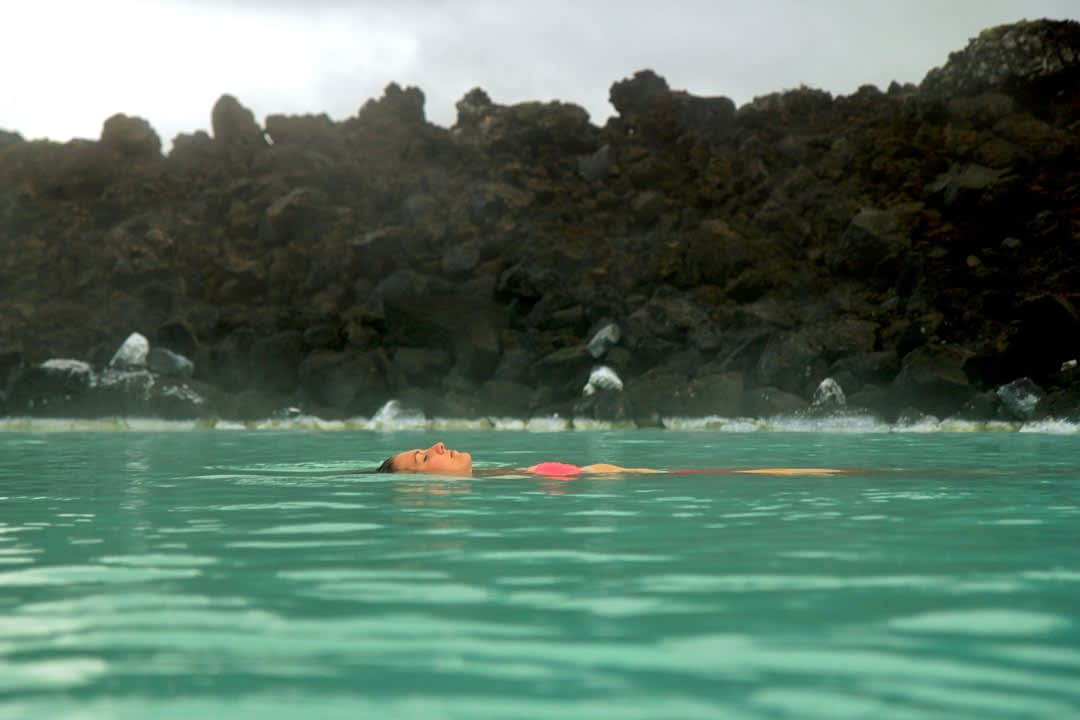
Our guide cut the engine and let us drift, and for a while we just watched — four, then six hippos, grunting and snorting somewhere between annoyance and boredom at having an audience. He told us the lagoon had been protected as a reserve since 2000, precisely because of animals like these, along with manatees we never managed to see and the migratory birds that use the estuary as a rest stop. I remember Lia elbowing me to point at a fish eagle that dropped out of a dead tree and skimmed the water so close its wingtips left rings.
Back in town that evening, we ate grilled fish at a stall near the market, the kind of meal that comes with no menu and no choice and turns out to be exactly what you wanted. Buba isn’t a place with sights to check off — it’s a place you sit in, and let the river traffic and the bird calls fill in the rest.
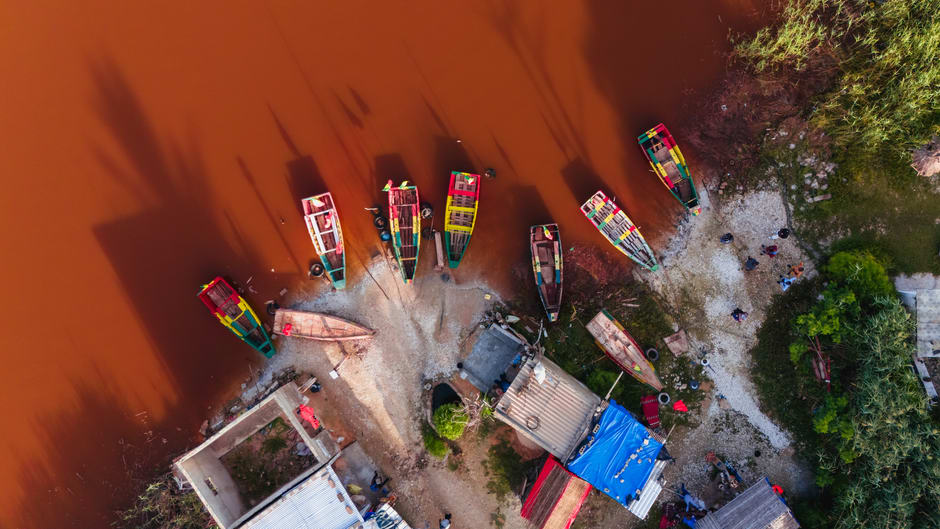
When to go: Visit in the dry season, from December to April, when the lagoon’s water sources shrink and pull the hippos, birds, and everything else into closer, easier view.
Keep exploring
More from Guinea-Bissau
 guinea-bissau
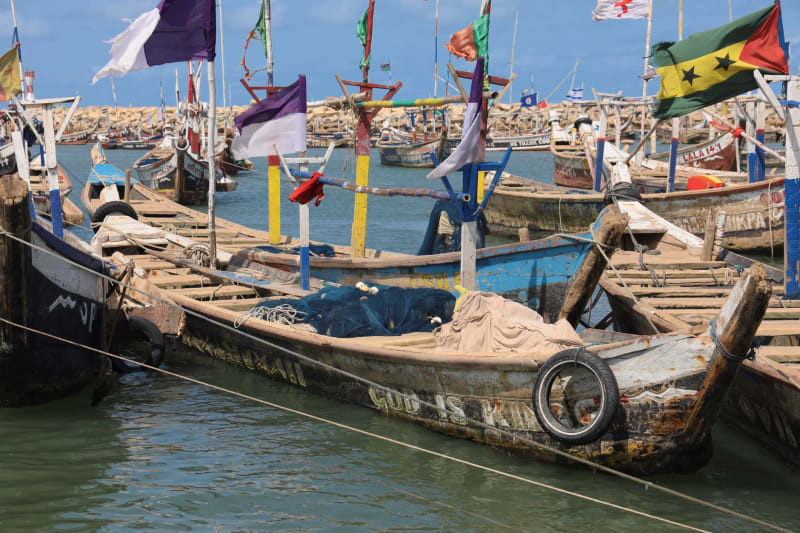
 Bubaque Island
The Bijagós gateway island where sand streets lead to pirogue crossings and the archipelago opens up like a slowly revealed secret.
Explore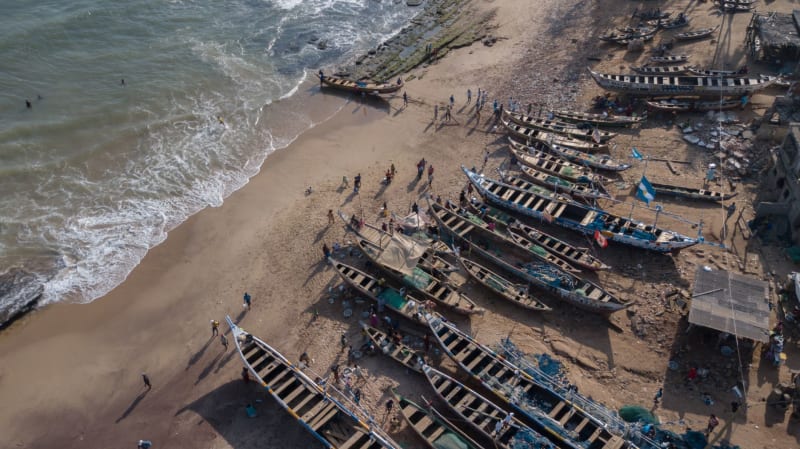 guinea-bissau
 Cacheu
A river town weighted by five centuries of slave-trade history, where the old Portuguese fort watches the water and the mangroves press closer every year.
Explore guinea-bissau
 Canhabaque Island
A remote Bijagós island reached by weekly canoe, where matriarchal tradition and animist rites endure largely untouched by the outside world.
Explore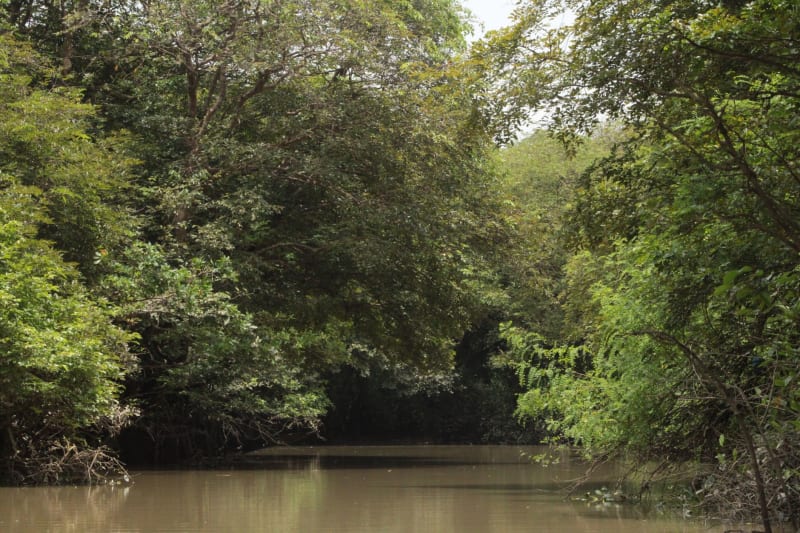 guinea-bissau
 Cantanhez Forest
A national park in Guinea-Bissau's deep south where chimpanzees call across the canopy and the forest closes around you like a held breath.
Explore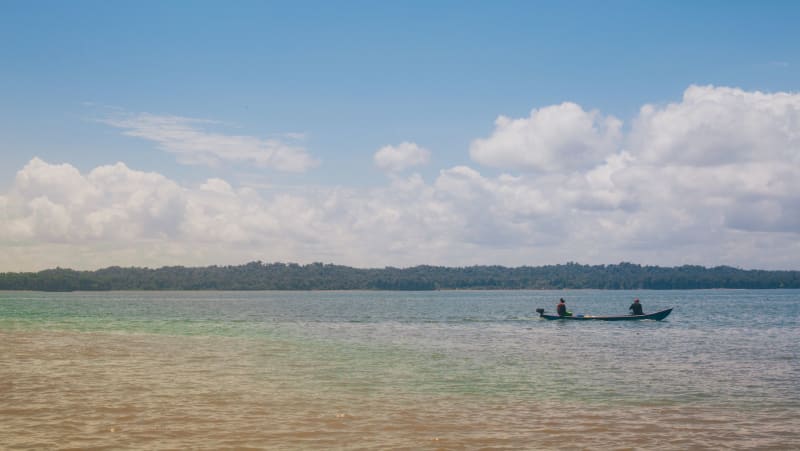 guinea-bissau
 Gabu
A Fula trading town in the eastern savanna where the call to prayer echoes at dawn and the cattle market is the most honest economy you will find.
Explore guinea-bissau
 João Vieira Island
A marine national park where green turtles nest in uncountable numbers and the reef below the surface looks like the sea remembered itself.
Explore