The thing about Bissau is that it doesn’t try. I mean that in the best possible way. I arrived after a flight that connected through Dakar, landed in the small afternoon heat of Osvaldo Vieira airport, and found a taxi driver who spent the entire drive into the city explaining to me, in patient Creole-inflected Portuguese, why Guinea-Bissau was the best country in the world and why I would agree with him by the time I left. I was not entirely ready for how correct he would turn out to be.
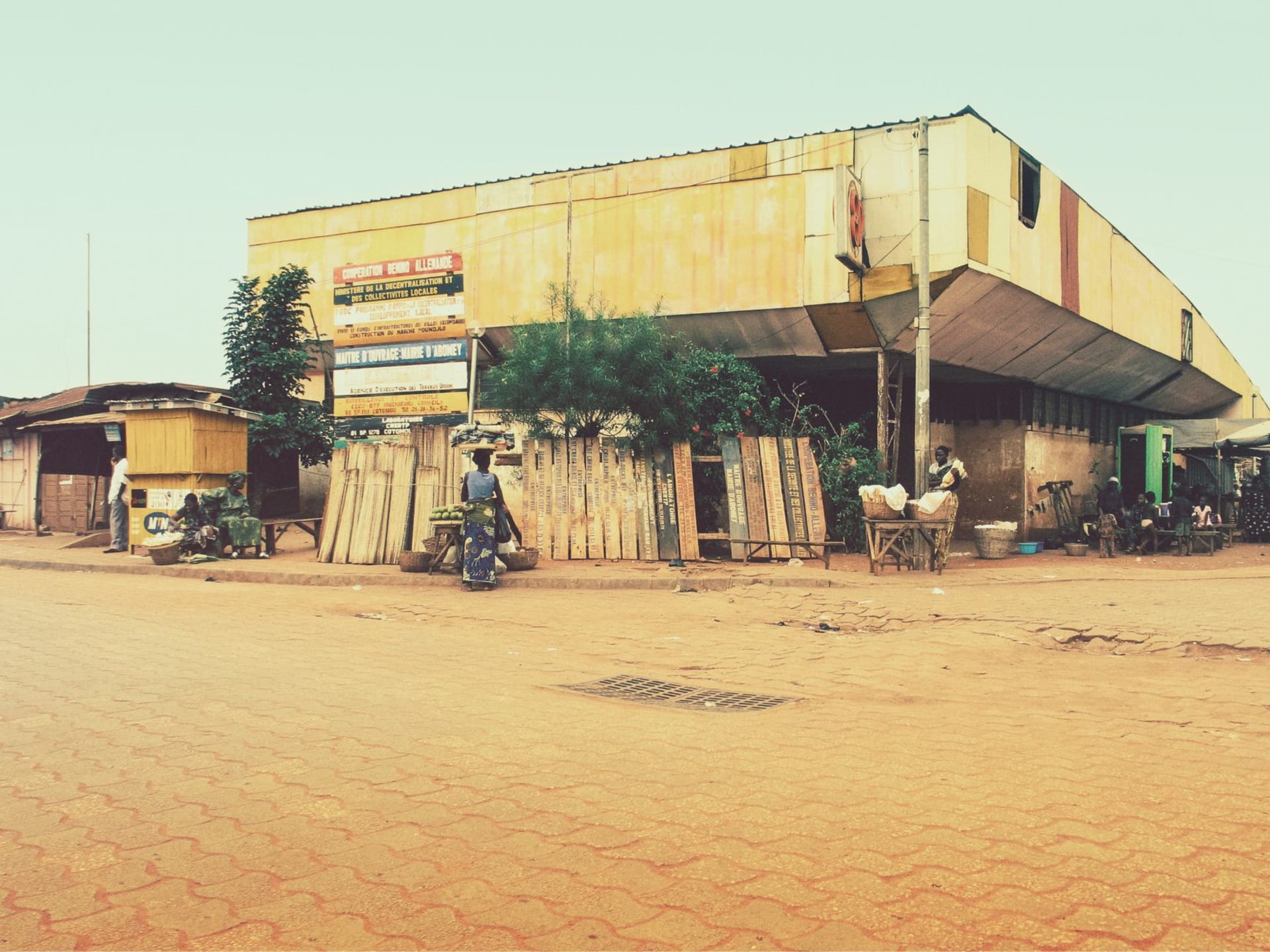
The capital is a small city by any measure — fewer than 500,000 people, most of the streets unpaved beyond the main arteries, the Portuguese colonial buildings either crumbling beautifully or already consumed by the vegetation that moves on everything here with particular ambition. The Palácio Presidencial sits behind iron gates in a strange state of permanent near-restoration. You walk past it and wonder what the inside looks like, and the guard who watches you wonder doesn’t seem to mind being watched back.
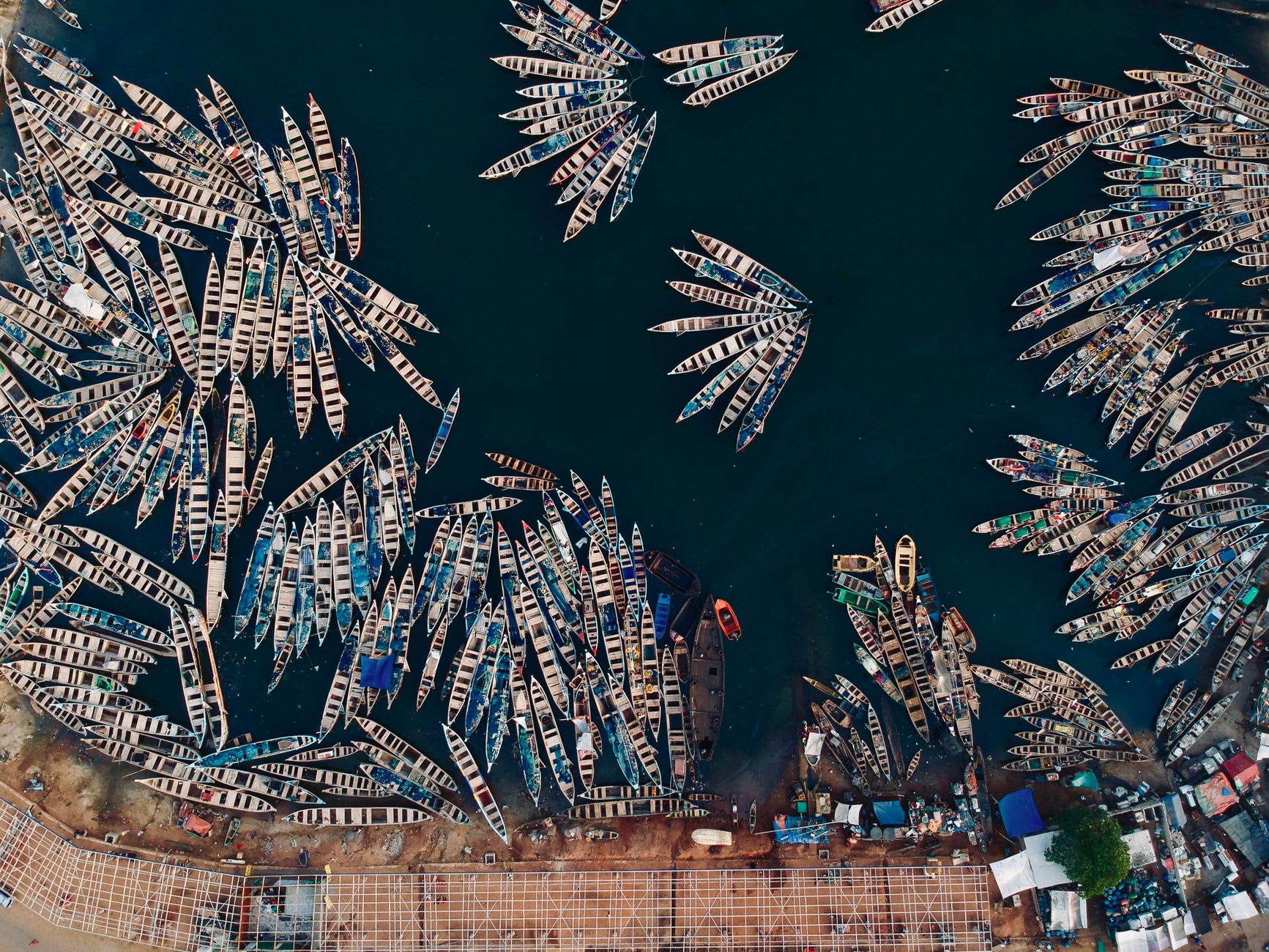
Bandim market is where the city reveals its actual metabolism. I went first at seven in the morning, still half-asleep and disoriented by the novelty of a place so genuinely unconcerned with tourism. The smells hit before anything else — charcoal smoke, palm oil heating, dried fish that has been dried so thoroughly it approaches something mineral, the fermenting sweetness of overripe mango in a plastic crate. Women in printed wax fabric sat behind towers of dried shrimp, sorted by size with a precision that suggested they had been doing this since before I was born. I bought a paper bag of roasted groundnuts from a boy of perhaps ten who quoted me the right price on the first attempt, no performance, no negotiation theater. The groundnuts tasted of salt and wood smoke and I ate them all before I reached the end of the first row.
The waterfront at Bandim is where I ate most of my meals. There is a row of concrete tables, some with plastic chairs, some without, arranged under trees that provide exactly the shade you need by noon. A woman who never told me her name grilled barracuda over an open charcoal grill and served it with fried plantain and a rice that had absorbed so much palm oil it was almost orange. I paid the equivalent of three euros. I went back four times in five days. She seemed neither surprised nor particularly pleased to see me return, which was exactly the right response.

The city operates around its power outages and its water cuts with the pragmatism of a place that has long since decided the infrastructure is someone else’s problem. Candles appear at restaurant tables without drama. Generators kick in at the guesthouses. People continue their conversations. There is something genuinely instructive about a city that has found a way to function without performing functionality — a place where the gap between official life and actual life has closed into something coherent and oddly peaceful.
The Creole spoken in the streets — Kriol, technically — is its own language, not a dialect, built over centuries of contact between the Mandinka, Fula, Balanta, Bijagó, Portuguese, and a dozen other threads. I understood almost none of it and found this to be no obstacle whatsoever. The city was readable in other ways: in the shade patterns on whitewashed walls, in the quality of silence at midday when everything slows, in the long conversations over tea that happened at every corner and that nobody seemed to want to end.
When to go: November through February offers the most bearable temperatures and the driest streets. Bissau in the rains — June through October — becomes genuinely difficult to navigate on foot, though the city’s pace somehow slows further, which is worth something.