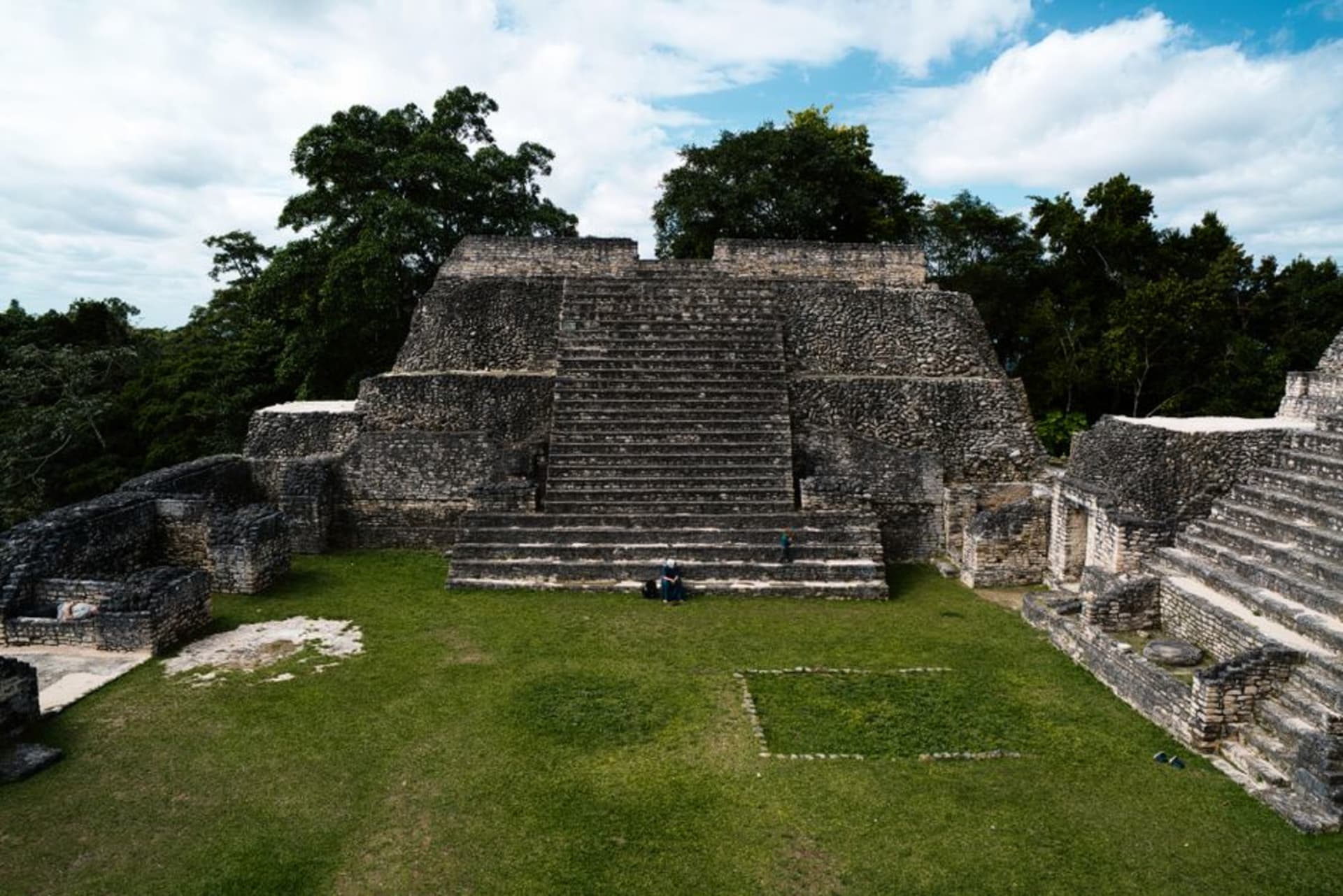
Zaculeu
"Zaculeu is the ruin that doesn't look like a ruin, and that's what unsettles you about it."
A Postclassic Mam fortress on a ravine-cut plateau near Huehuetenango, restored so smoothly in the 1940s that it looks almost unreal against the pine hills.
I’d seen photos before I went, and I still wasn’t prepared for how smooth everything is. Zaculeu sits on a plateau outside Huehuetenango, surrounded on three sides by ravines that made it nearly impregnable to everyone except the Spanish, who besieged the Mam Maya defenders here for weeks in 1525 until starvation did what force of arms couldn’t. What remains today is startling: pale, plastered pyramids with crisp edges and flat white stucco, restored in the 1940s by the United Fruit Company in a style that has almost nothing to do with how the site would have looked when it fell.
An Argument in Stone
I got into a genuinely interesting conversation with the site’s caretaker, an older man who’d worked there for over a decade, about whether the restoration was a gift or a crime. He leaned toward gift — “otherwise there’s nothing left to see but rubble,” he said, gesturing at a corner of unrestored foundation stone that had been left exposed deliberately, almost as evidence. I leaned toward something more ambivalent. The smooth stucco walls, gleaming white against the green ravine, don’t read as fifteenth-century Mam architecture so much as a stylized 1940s idea of what a Maya temple ought to look like — tidy, symmetrical, drained of the weathering that gives most ruins their gravity.
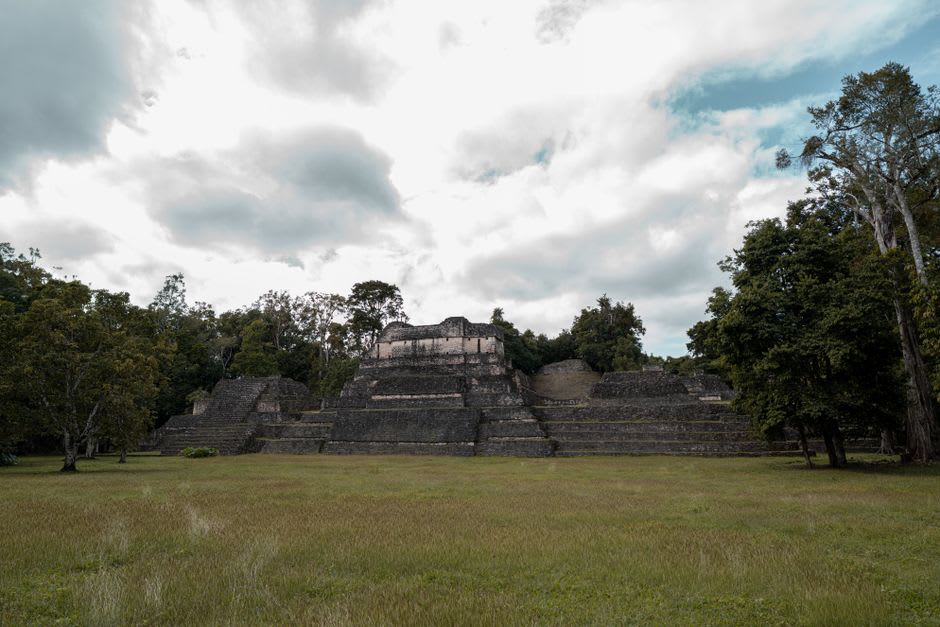
Standing Where the Siege Ended
Still, walking the plaza alone on a grey Tuesday morning — I had the entire site to myself for almost an hour — the setting did what the stucco couldn’t. The ravines drop away sharply on either side, and pine trees crowd right up to the edges of the excavated area, so you’re standing on a chunk of engineered highland fortress with genuine wilderness pressing in on all sides. It’s not hard to picture the desperation of the final weeks of the siege, when the defenders were reportedly reduced to eating leather and the bark off trees, still refusing to surrender the high ground.
There’s a small museum on-site with skeletal remains and ceramics pulled from burials beneath the temples, worth the ten minutes it takes to walk through. Afterward I caught a local bus back into Huehuetenango and ate lunch at a comedor near the plaza, still turning the caretaker’s argument over in my head. I still don’t have a settled opinion. I think that’s the right way to leave Zaculeu.
When to go: The dry season from November to April keeps the ravine paths firm and the site free of the mist that rolls in during the wetter months; weekday mornings offer the best chance of having the plaza to yourself.