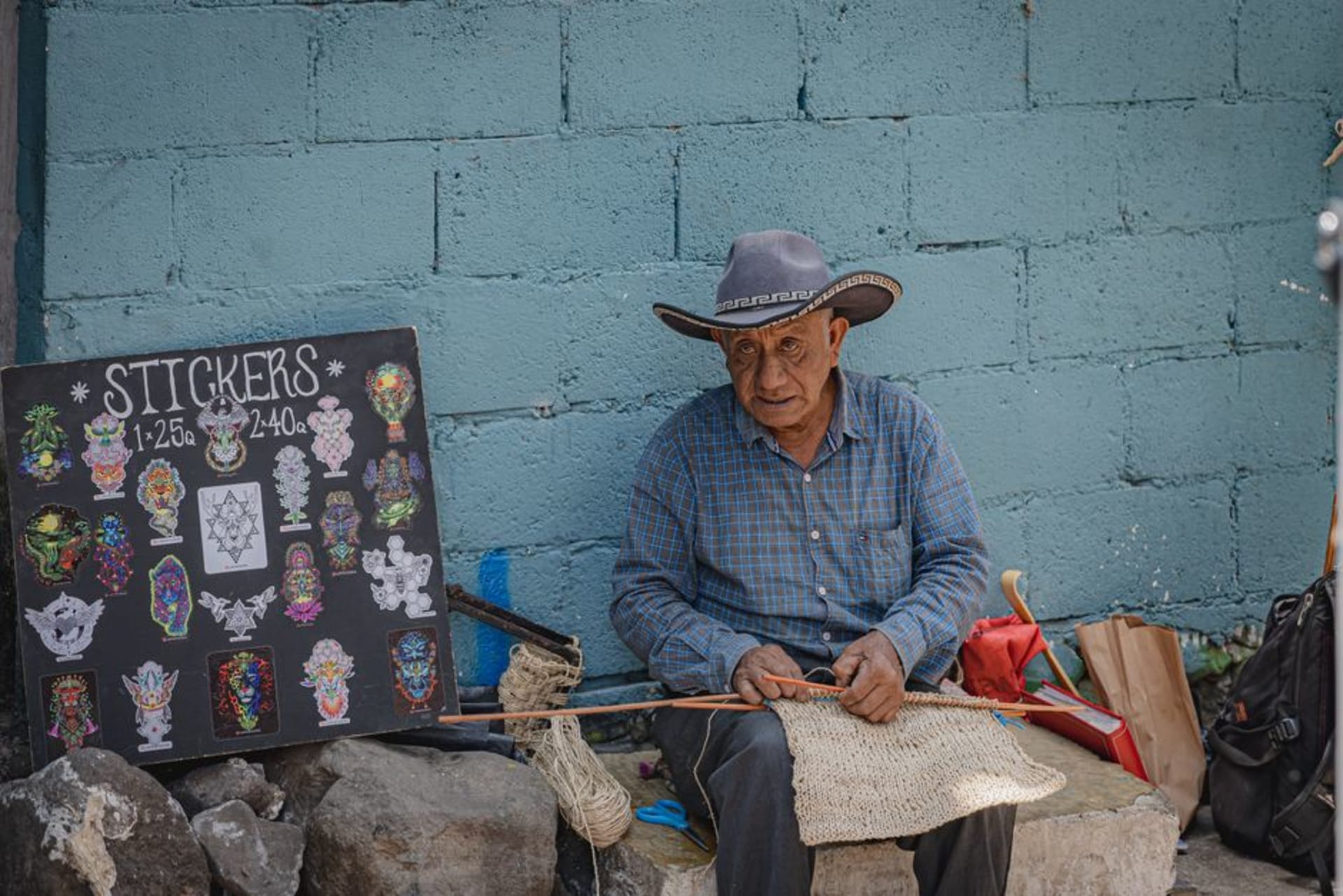
Sololá
"Sololá is the market everyone tells you about in whispers, and it's real, and almost nobody actually goes."
The highland market town above Lake Atitlán where K'iche' Maya traditional dress is still everyday clothing, not costume for visitors.
I’d heard about the Sololá market from three separate people on the lake circuit before I finally made the twenty-minute chicken bus up from Panajachel, all of them using the same phrase — “the real one” — as though the markets down at the water were some kind of counterfeit. They weren’t wrong to insist. Sololá sits on a ridge above Atitlán, a working highland town that most lake-hopping travelers never bother climbing to, and on market day the plaza and surrounding streets fill with more traditional dress worn as actual daily clothing than anywhere else I saw in Guatemala.
A market that isn’t performing for you
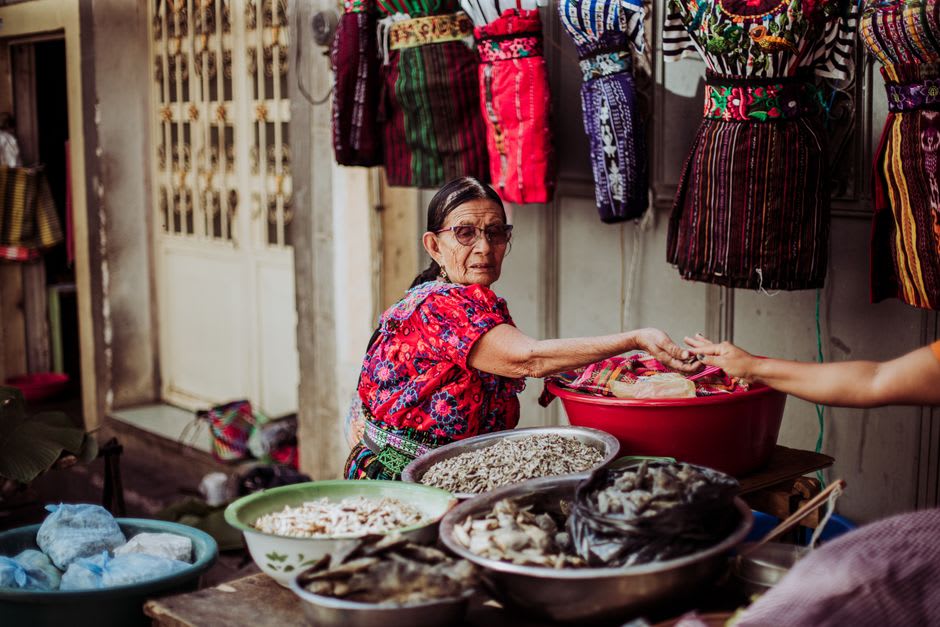
Tuesdays and Fridays are the big days, and I went on a Friday, arriving early enough to watch trucks unload sacks of dried chile and stacked plastic basins before the crowds thickened. What struck me immediately was the K’iche’ Maya traje — men in the town’s distinctive embroidered trousers and short jackets, women in huipiles specific to Sololá’s own pattern, not worn for a folkloric festival but because it’s simply what people here wear to buy vegetables. I counted maybe four other foreign faces in two hours. Vendors barely glanced at me; the negotiating, gossiping, and haggling happening around me had nothing to do with tourism at all.
Cofradías and a town that runs on its own calendar
Sololá is also a center of cofradía tradition — the same religious brotherhood structure I’d later encounter more dramatically around Maximón in Santiago Atitlán, but here folded into the town’s civic life with less spectacle and more permanence. I got talking to a shopkeeper near the municipal building who explained, patiently, that the cofradías organize the saint’s-day festivals, manage certain church duties, and carry real social weight in deciding how the town runs itself — an indigenous governance structure operating quietly alongside the official municipality. He pointed out the elaborately embroidered jackets some older men wore as cofradía markers, distinct from ordinary daily traje. It was a level of texture I hadn’t expected from what I’d assumed would be a quick market detour.
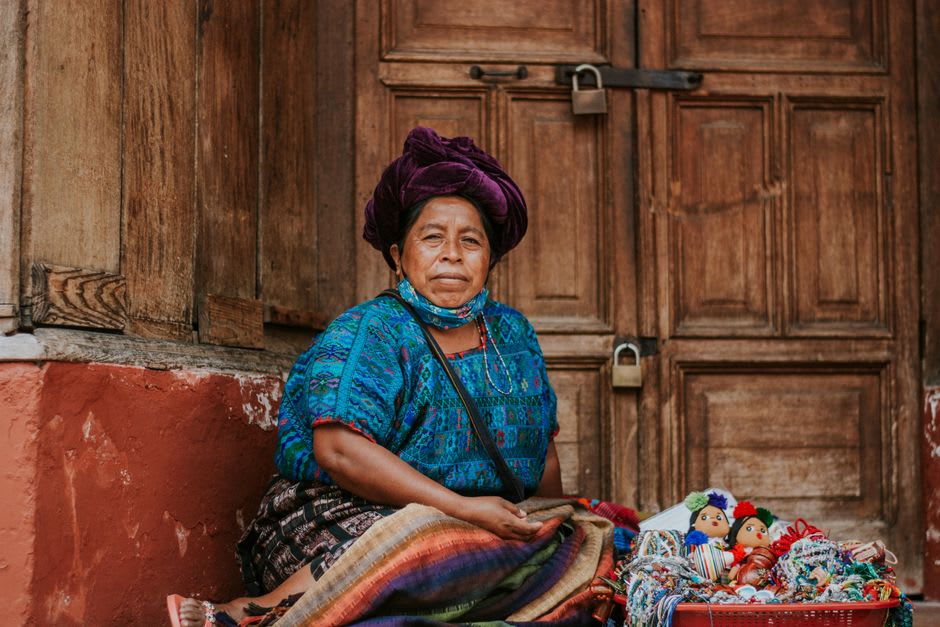
When to go: Tuesday or Friday, arriving before 9am, when the market is at its fullest and before the midday highland sun and afternoon cloud cover set in.