San Francisco El Alto
"For one day a week this small hilltop town becomes one of the biggest markets in Central America, and nobody outside Guatemala seems to know it."
A highland hilltop town that hosts one of Central America's largest weekly markets every Friday, a chaotic, thrilling sprawl of livestock, textiles, and produce from across the region.
I got to San Francisco El Alto before 6am on a Friday, on the advice of a Xela local who told me flatly that arriving any later meant missing the point entirely. She was right. By the time the sun cleared the ridge, the entire town — every street, alley, rooftop terrace, and church stairway — had disappeared under stalls. This is, by most accounts, one of the largest weekly markets in Central America, and it doesn’t announce itself with any particular grandeur; it just quietly swallows an entire hilltop town for twelve hours and then, by evening, disappears almost as completely as it arrived.
Livestock First, Everything Else After
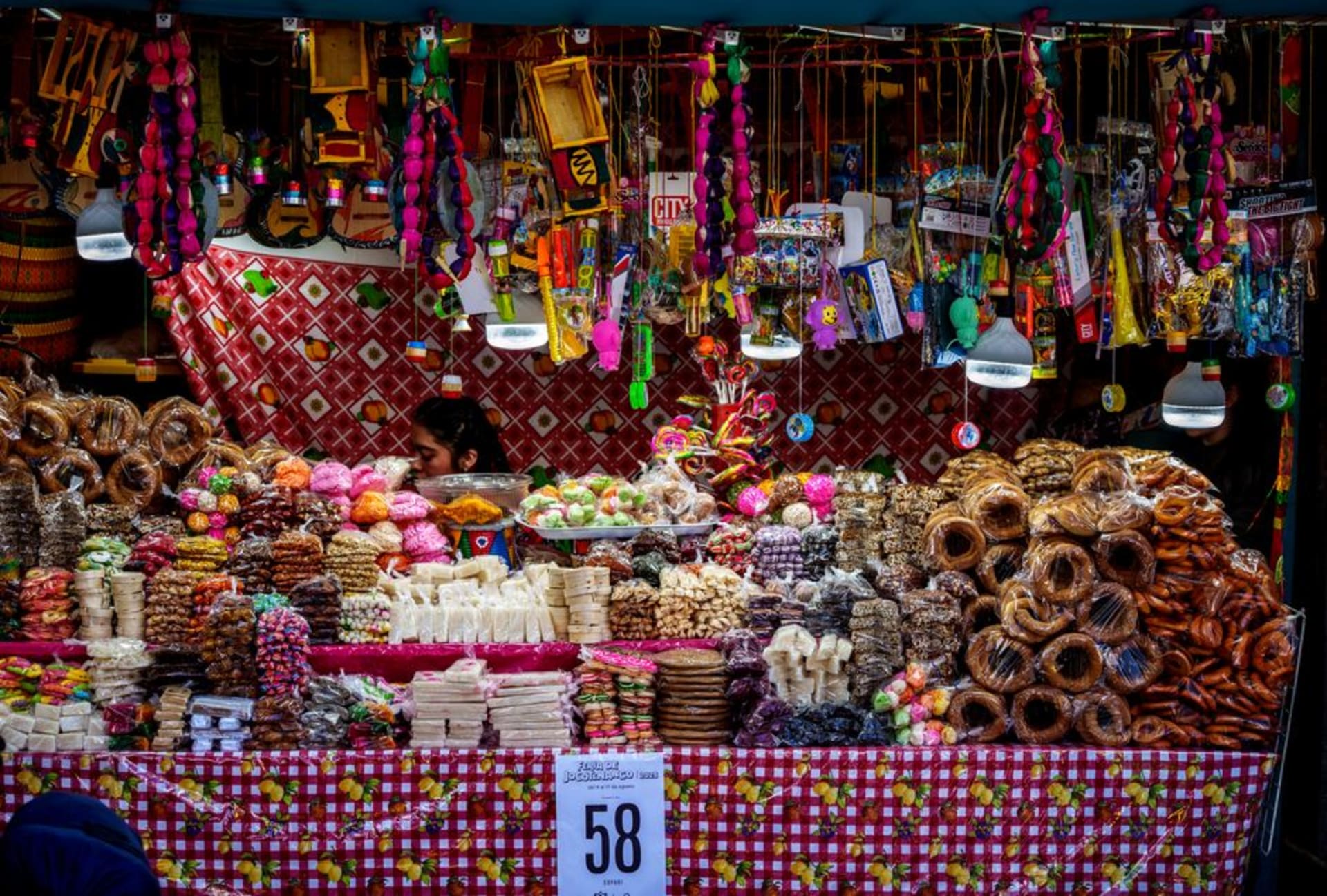
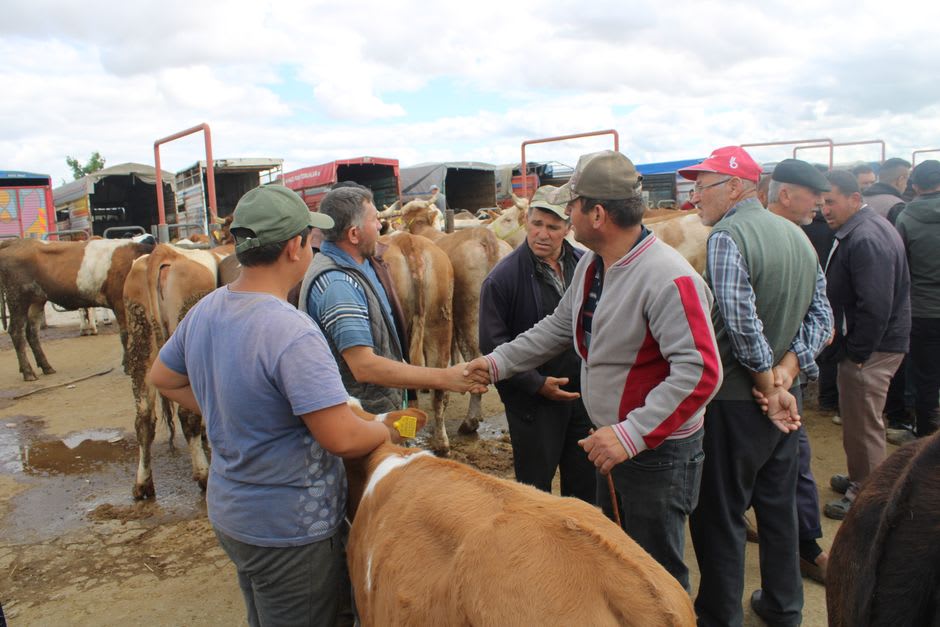
The market has a logic to it once you notice the pattern: livestock trading happens earliest and at the edges of town, in a churned-mud lot where farmers haggle over cows, pigs, sheep, and chickens with the kind of rapid, half-shouted negotiation that sounds like an argument until you realize a handshake follows two minutes later. I stood at the fence of the animal market for twenty minutes watching a man and a woman go back and forth over a cow’s price, both of them laughing by the end, money changing hands with no ceremony at all. From there the market rolls downhill, literally, into produce, then household goods, then — the part most visitors actually come for — the textile section, bolts of fabric and finished huipiles and ponchos from towns across the highlands, including a fair amount of wool clearly sourced from nearby Momostenango.
Getting Lost on Purpose
There’s no real way to see the whole market with intention — the streets are too narrow, too packed, too steep, and any plan you arrive with dissolves within ten minutes. I gave up trying to navigate and just let the crowd carry me, which is how I ended up buying a wool blanket I hadn’t planned to buy from a vendor who wrapped it for me while continuing an entirely separate conversation with the stall next door. Somewhere past noon I climbed the steps of the town’s white church, the one clear vantage point above the market, and looked down at a hillside that had, for one day, become an ocean of tarps and umbrellas and noise, with the surrounding cornfields and pine ridges of the department utterly indifferent to it all.
When to go: Friday, always — that’s the market day, and arriving before 7am gets you the livestock trading and the market before the midday crowds peak. Dry season (November to April) makes the unpaved edges of the market far easier to walk.