Salcajá
"A church older than the country it sits in, and threads dyed by hands that never stop moving."
A small highland town famous for two unrelated things done with equal devotion — jaspé tie-dyed thread and Central America's oldest surviving church.
Salcajá is the kind of town you drive through on the way from Xela to somewhere else and only stop in if someone specifically tells you to. Someone specifically told me to, a Spanish teacher in Quetzaltenango who insisted I hadn’t seen real Guatemalan textile work until I’d watched jaspé thread being tied. So I took the chicken bus fifteen minutes out of the city, got off at a corner that didn’t look like much, and followed vague directions past a hardware store to a family workshop where three generations were, at that exact moment, working on the same technique.
The Patience of Jaspé
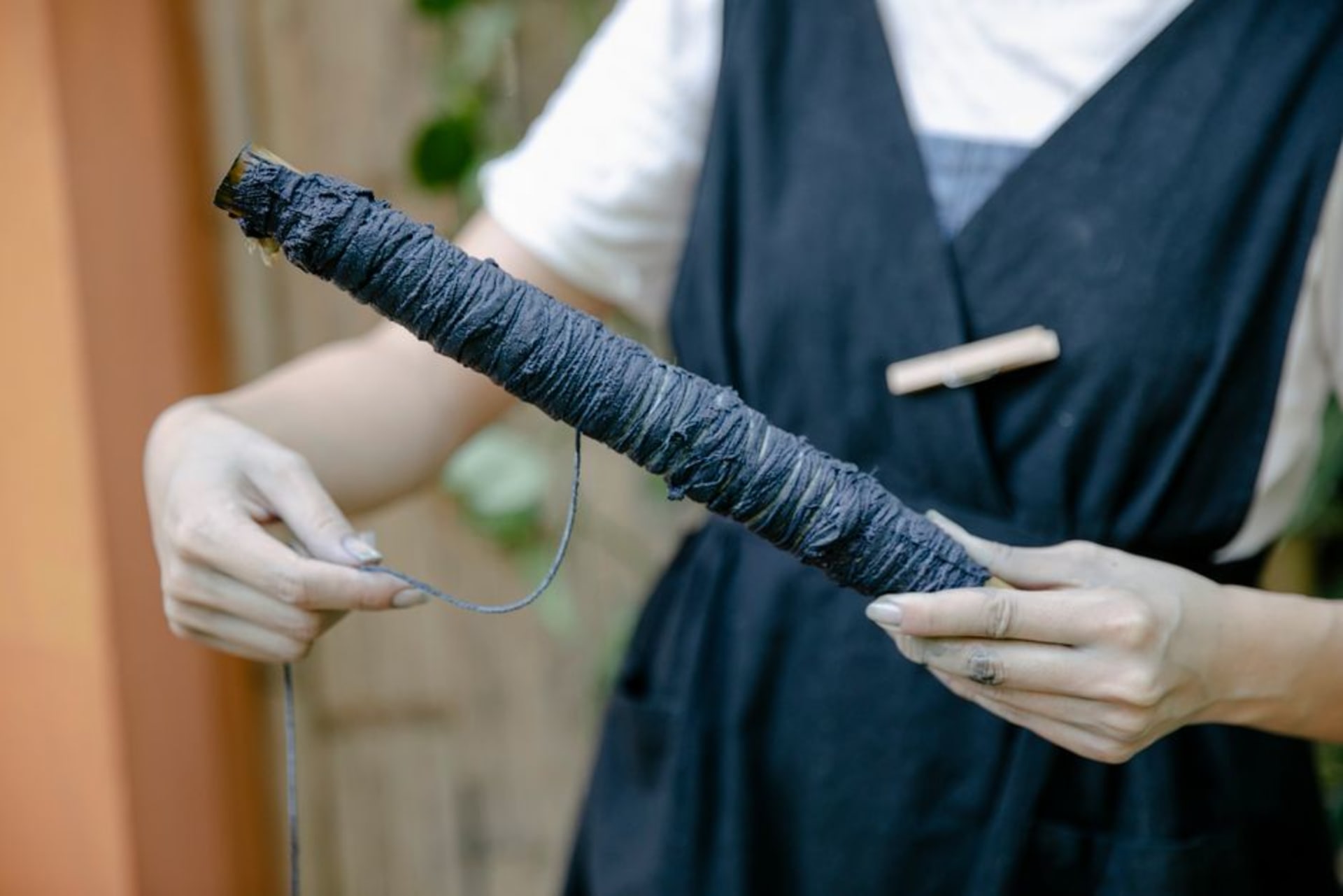
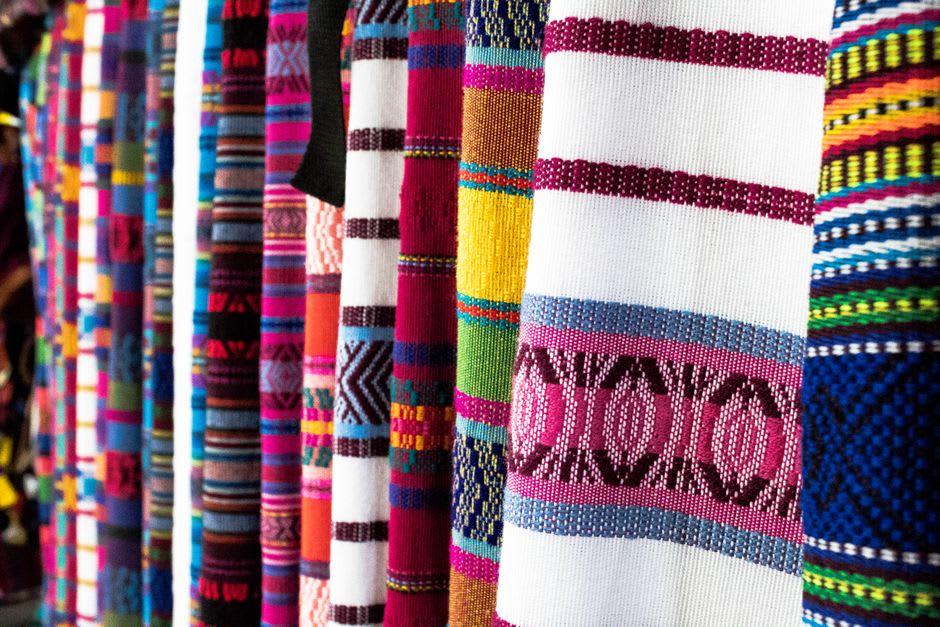
Jaspé — what’s known elsewhere as ikat — is a resist-dye technique where individual threads are bound and dyed in patterns before they’re ever woven, so the design only fully reveals itself on the loom. It is absurdly labor-intensive. I watched a woman named Doña Rosario tie off sections of thread with strips of plastic, dip them in dye, untie, retie, redip, in a sequence that took her most of a morning to complete for a length of thread that would become maybe half a scarf. She’d been doing this since she was nine. Her granddaughter, maybe twelve, sat next to her doing the same motions with the unhurried competence of someone who’d clearly rather be doing this than homework. The finished thread, still damp, hung in the courtyard in blurred bands of color — that soft, feathered edge is the whole signature of jaspé, and once you’ve seen it made you can’t unsee the difference between it and a printed imitation.
The Oldest Church in Central America
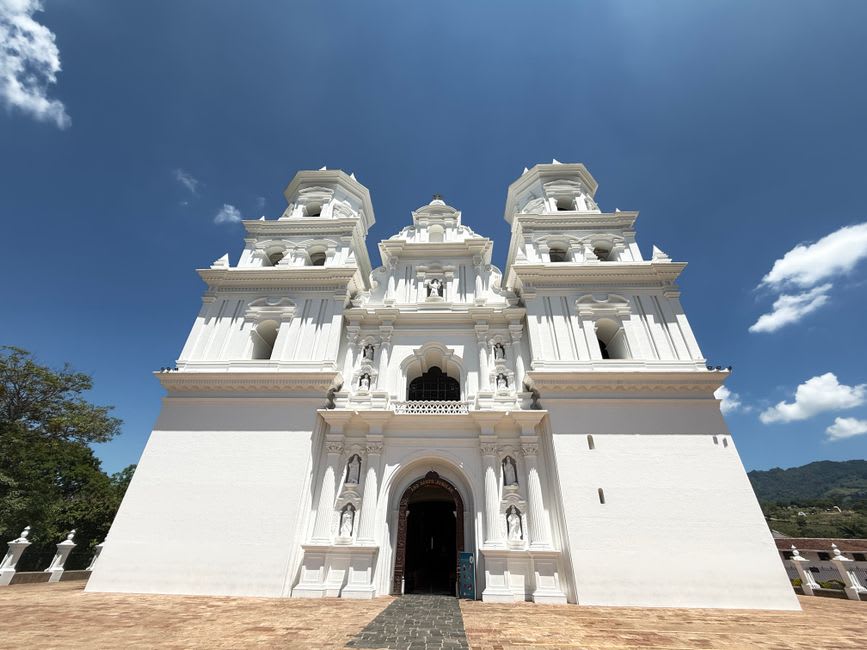
The other reason to stop in Salcajá is La Ermita de la Concepción, a small, squat colonial chapel that locals will tell you, with real pride, is the oldest surviving church in Central America — built in the early sixteenth century, not long after the Spanish arrived. It doesn’t look like much from outside, whitewashed and modest next to the town’s larger main church, but stepping in out of the highland glare into that thick-walled cool interior, with a plain wooden altar that has clearly not been renovated into anything fancier than it needs to be, gave me the same feeling I get in very old European chapels — the sense of a building that has simply outlasted every argument about how important it is.
When to go: Weekday mornings are best for watching the jaspé workshops in action; dry season (November to April) keeps the dyed thread drying faster in the courtyards.