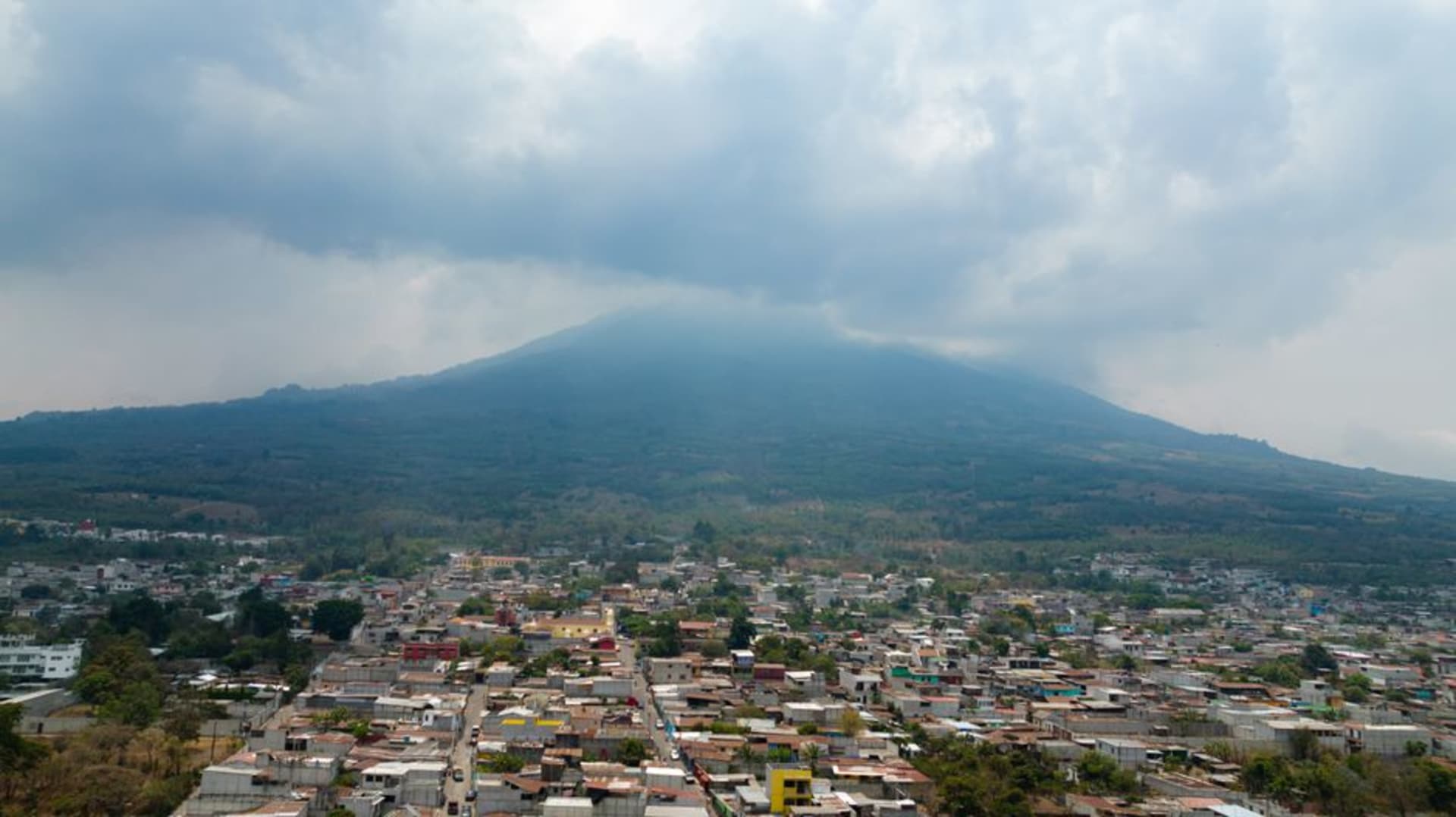
Pacaya Volcano
"I have roasted marshmallows over a campfire plenty of times. I have never done it over a volcano's own leftover heat."
An active volcano close enough to Antigua for a half-day hike, where you roast marshmallows on rock still warm from the last lava flow.
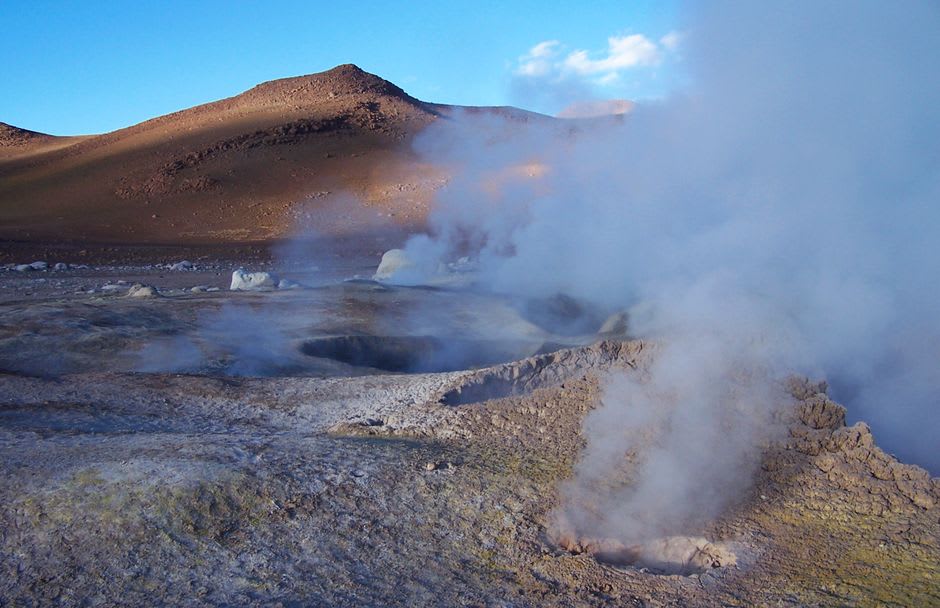
Pacaya is the volcano Guatemala hands you as an easy introduction, and I went in with correspondingly low expectations — a short, accessible hike, popular enough that horses are available for anyone who doesn’t want to walk, nothing like the grueling overnight slog up neighboring Acatenango. What I didn’t account for was how strange it feels to walk across a landscape this recently violent. The upper reaches of the trail cross fields of hardened black lava from Pacaya’s more recent eruptions, jagged and glassy underfoot, steam still seeping from cracks in places, the ground occasionally warm enough to feel through the soles of my boots.
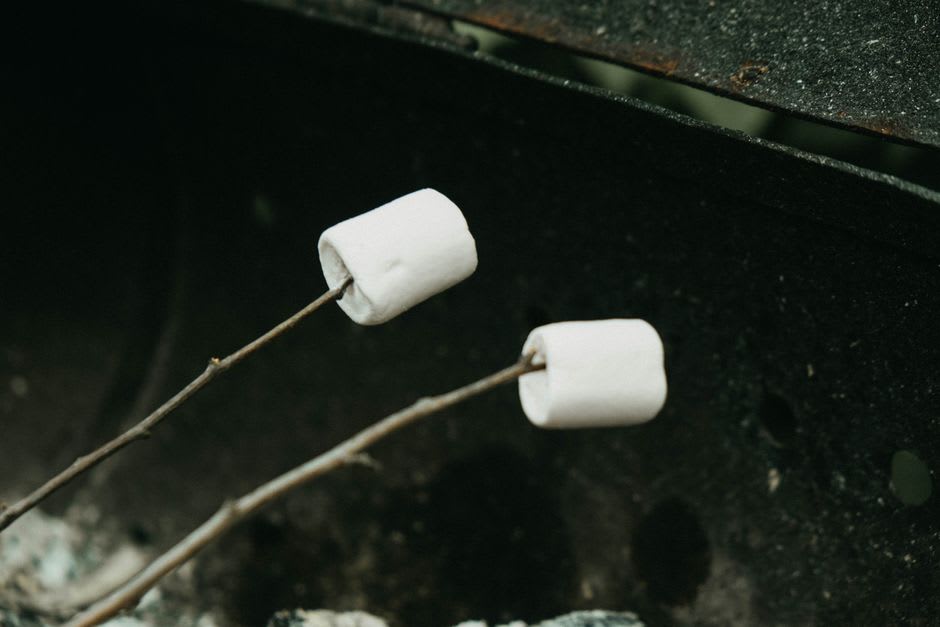
Marshmallows on the lava field
Near the top, our guide produced a bag of marshmallows and a fistful of sticks, and it took me a second to realize he was serious. We found a spot where the rock radiated real heat, close enough to a vent that you could smell faint sulfur, and toasted marshmallows directly over the ground itself rather than any flame. It’s become something of a ritual for every guide who leads this hike, and it should feel gimmicky, except that standing on rock cooked by an active volcano, watching a marshmallow blacken from geothermal heat alone, is a genuinely odd and delightful thing to experience with your own hands.
Views back to Fuego and Agua
From Pacaya’s upper slopes, the view opens across to Agua and Fuego, Antigua’s other two guardian volcanoes, and on a clear evening the whole trio catches the sunset in sequence — pink, then orange, then a deep bruised purple as the light drops. Pacaya itself still vents visibly, thin ribbons of steam rising from several points on the black rock field, a quiet reminder that despite the marshmallow theatrics, this is a live system and eruptions have reshaped the summit trail more than once in the past decade. I sat on a cooled lava ridge until the light was almost gone, reluctant to start the descent, watching bats begin to circle out from crevices in the rock.
When to go: Year-round, since it’s a short enough hike to manage even in light rain, though November to April offers the clearest views back toward Agua and Fuego. Go for the late-afternoon departure if you want the marshmallow stop timed with sunset.