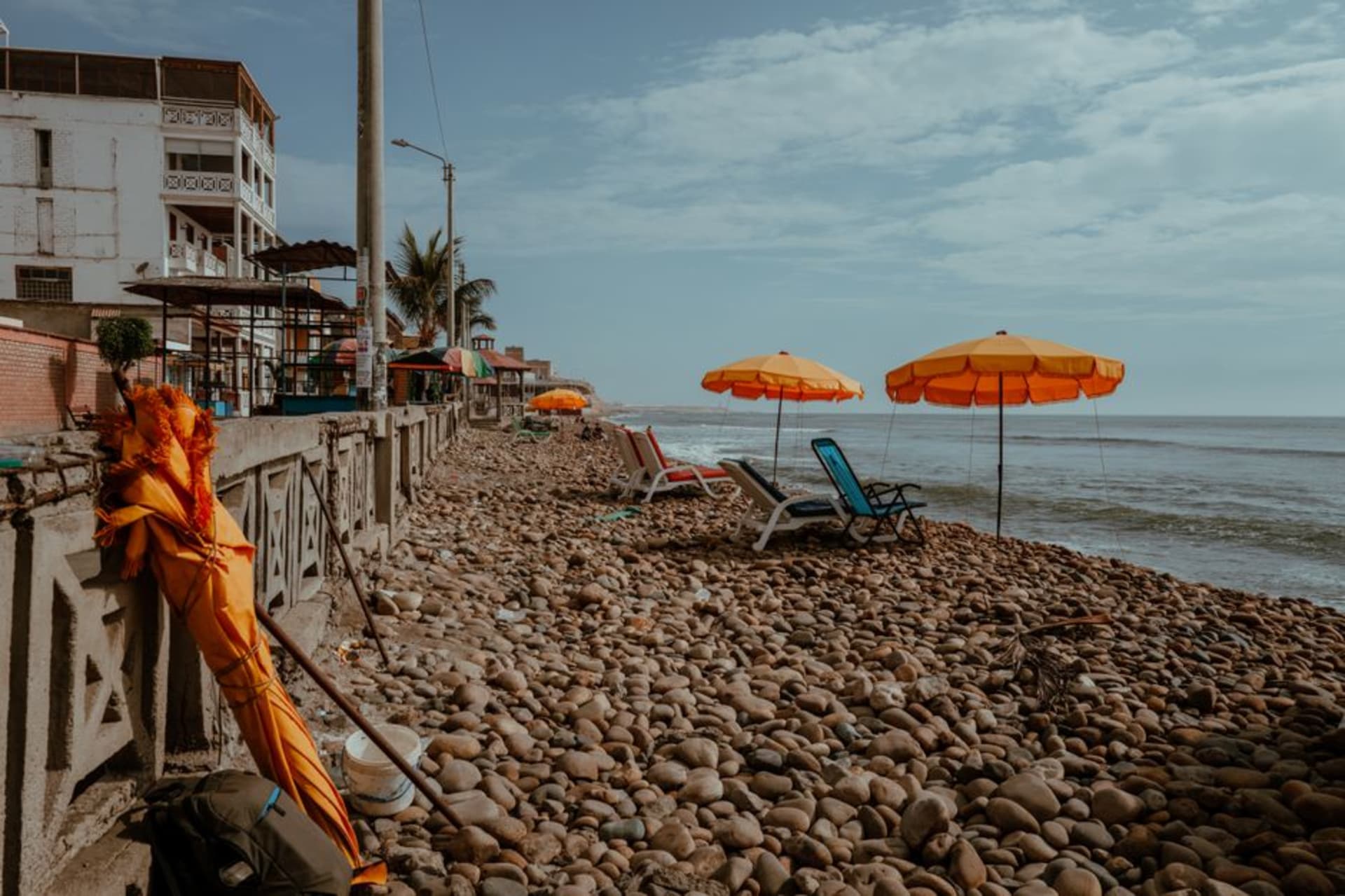
Las Lisas
"This is what the Guatemalan coast looked like before anyone decided it needed a name."
A fishing village on Guatemala's forgotten southeastern coast, near enough to El Salvador to smell the border, where the black sand runs for miles and almost nobody comes.
Getting to Las Lisas takes a certain amount of stubbornness. It’s the last real settlement on Guatemala’s Pacific coast before the border with El Salvador, reached by a series of increasingly narrow roads through cattle country and cacao smallholdings, and by the time I arrived the light was already going gold and slanted, the kind of late-afternoon light that makes even a gas station look cinematic. I’d been told there was “a beach hotel or two,” which turned out to be generous — there’s a small handful of low-key posadas, one of them basically a fisherman’s family compound with three rooms rented out, and that’s it. No souvenir stalls, no beach clubs, no music. Just a village that fishes for a living and happens to sit on one of the most beautiful stretches of black sand I’ve seen anywhere in Central America.
The Coast That Forgot to Advertise
I walked the beach at dawn on my second morning, alone except for a man dragging a net in from the surf with two boys helping, and it struck me that this was probably close to what the entire Pacific coast of Guatemala looked like fifty years ago, before Monterrico got its turtle tours and El Paredón got its surf camps. The sand here is a deep, almost bruised black, volcanic and fine, and it holds the heat of the previous day well into the evening — I found myself sitting on it at 9pm just because it was warmer than the plastic chair.
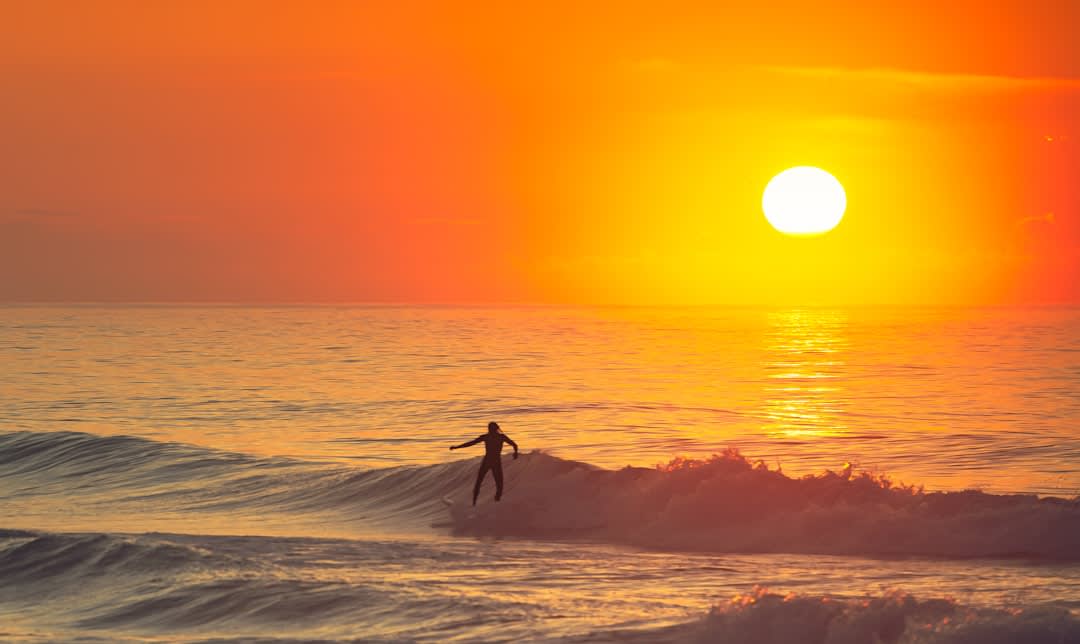
The estuary system behind the village connects to the same Chiquimulilla canal that runs most of this coast, and the fishing families use it the way a farmer uses a field — shrimp traps, crab lines, small skiffs heading out before light. I paid a fisherman named Wilmer a few quetzales to take me out at 5am, mostly because I couldn’t sleep and he was already loading his boat. We didn’t catch much. It didn’t matter. Watching the sun come up over mangrove silhouettes with a man who does this every single day of his life, no exceptions, no season, reframed what “remote beach getaway” actually means.
No Wi-Fi, and That’s the Point
There’s a patchy cell signal and almost no reliable Wi-Fi, which I found more relaxing than frustrating once I stopped fighting it. The posada I stayed at served whatever the day’s catch was — a whole fried snapper the size of my forearm, black beans, tortillas made twenty feet from the table — and the owner’s mother sat with me afterward, in Spanish slow enough for me to follow, asking why on earth a Frenchman had come all the way out here when there were “nicer beaches closer to the airport.” I still don’t have a good answer beyond: this one felt real.
When to go: December to April, dry season, when the coastal roads are passable and the sea is calmest — this is not a place you want to reach after a week of rain.