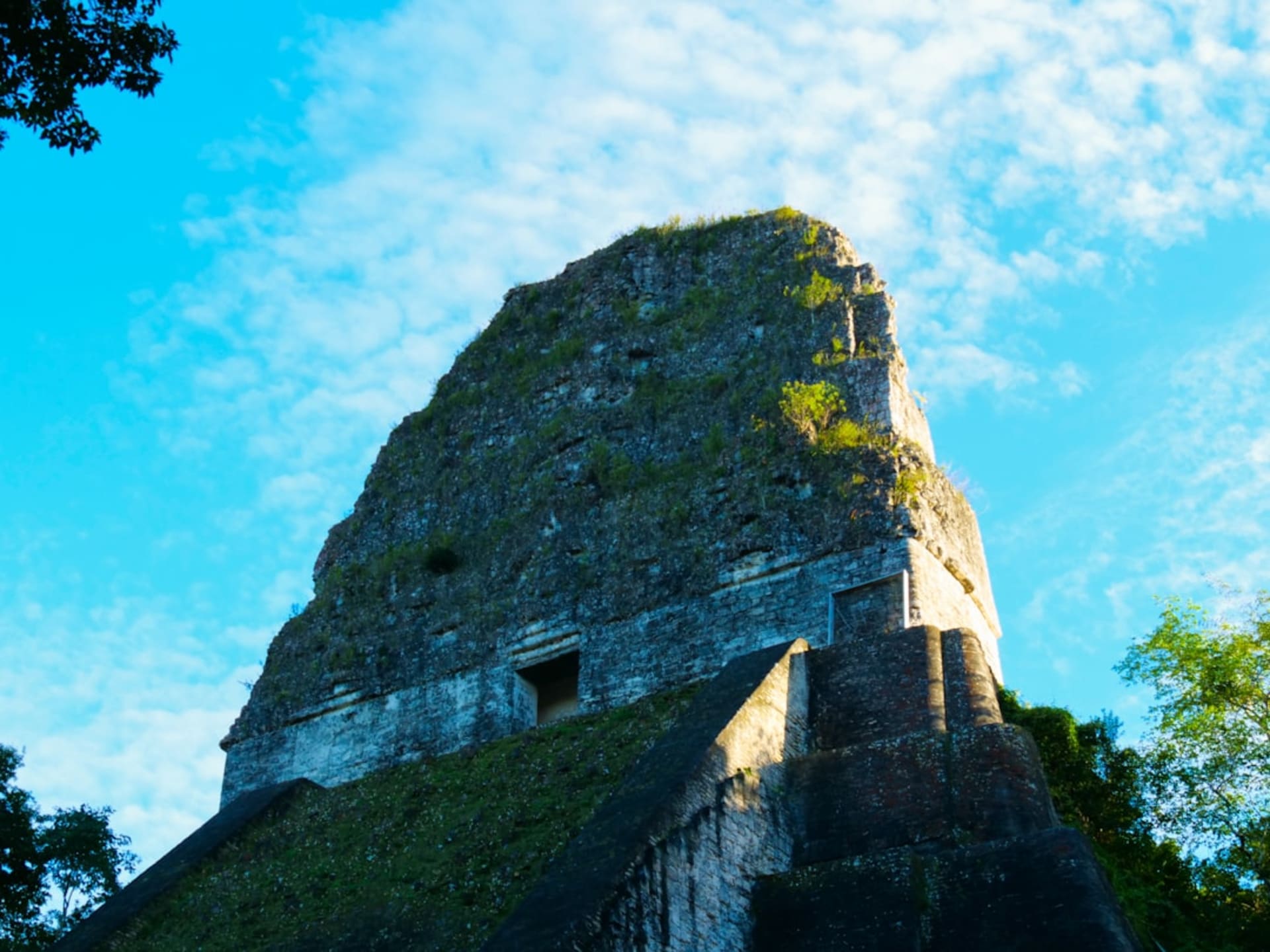
Kaminaljuyú
"The city that once controlled the obsidian trade of Mesoamerica is now a city park between a highway and a shopping mall."
A once-mighty Maya trading city, now reduced to a scatter of grassy mounds fenced inside a Guatemala City park, swallowed by the very sprawl it predates by two thousand years.
I nearly didn’t find it. My taxi driver knew the neighborhood, Zona 7, but had to ask a fruit vendor for the actual gate, because from the street Kaminaljuyú doesn’t look like an archaeological site — it looks like a slightly overgrown municipal park wedged between apartment blocks, with traffic noise leaking over the fence from three directions at once. That dissonance is, I’ve come to think, the entire point of visiting. This was once one of the most powerful cities in the Maya world, a Preclassic and Classic-era metropolis that at its height controlled the obsidian trade routes running out of the highlands, with an estimated population that rivaled or exceeded many contemporary Old World cities. Today, maybe ten percent of it is preserved, fenced into a handful of city blocks while the rest lies literally underneath Guatemala City’s streets and shopping centers.
Standing on What’s Left
The surviving mounds are grass-covered, low, and unglamorous compared to the soaring temples at Tikal — there’s no restored pyramid to climb, no dramatic facade. What you get instead are earthen platforms, the remains of ballcourts, and a small on-site museum with obsidian blades, jade ornaments, and pottery that make the scale of what’s gone almost more affecting than what remains. A guard who’d worked there for years walked me around without being asked, pointing out where a stela had been removed decades ago for “safekeeping” that mostly meant it disappeared into a private collection. He said it without much bitterness, just the flat tone of someone who’s explained this a hundred times before.
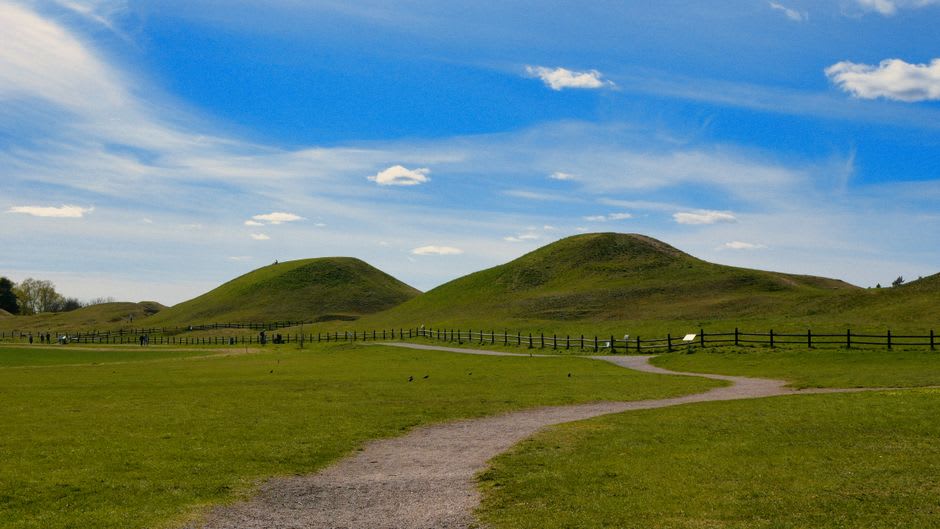
The Ruin Under the City
What got to me most wasn’t what’s inside the park but what isn’t — the knowledge that Kaminaljuyú’s true footprint extends for kilometers in every direction, under parking lots, under the ring road, under a Pollo Campero. Archaeologists have mapped canal systems and residential platforms that stretch well beyond the protected zone, meaning the site you’re standing in is a rescued fragment of something the modern city simply grew over without much ceremony. I stood at the edge of the fence looking at a six-lane avenue where, fifteen hundred years ago, obsidian traders would have walked in from Petén and the Gulf Coast to do business. It’s a strange, quiet kind of vertigo — the deep past and the honking present separated by a chain-link fence and not much else.
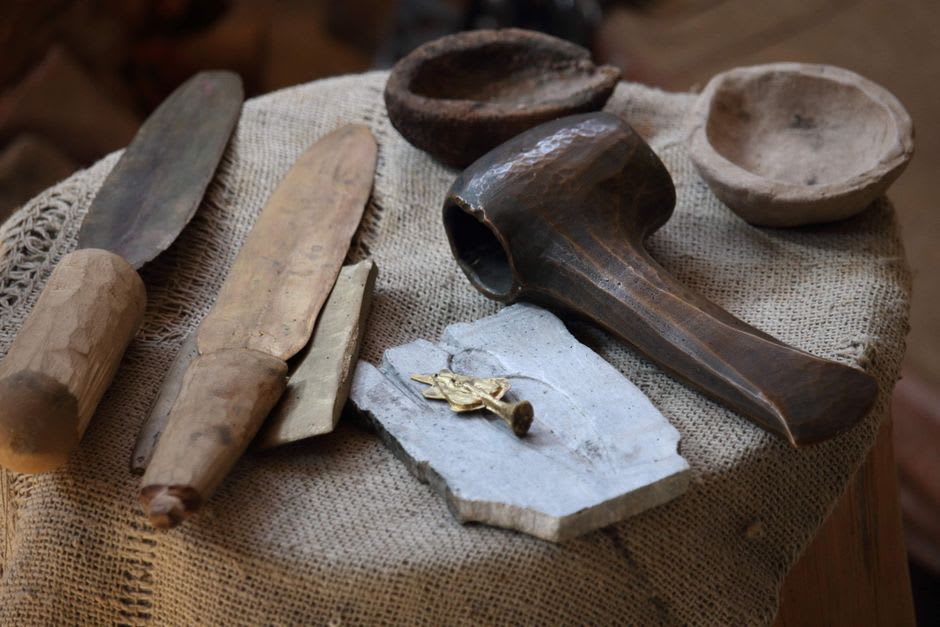
When to go: Weekday mornings, dry season (November to April), when the park is quiet and the light is good for the small museum’s window displays; pair it with a city day since it’s a short taxi ride from Zona 1 or Zona 10.