Champerico
"A pier that once shipped coffee to the world, now standing half in the sea, rusting quietly, and completely alone."
A weathered Pacific fishing port with black-sand beaches and the rusting ruins of a historic pier, entirely off the radar of Guatemala's tourist circuit.
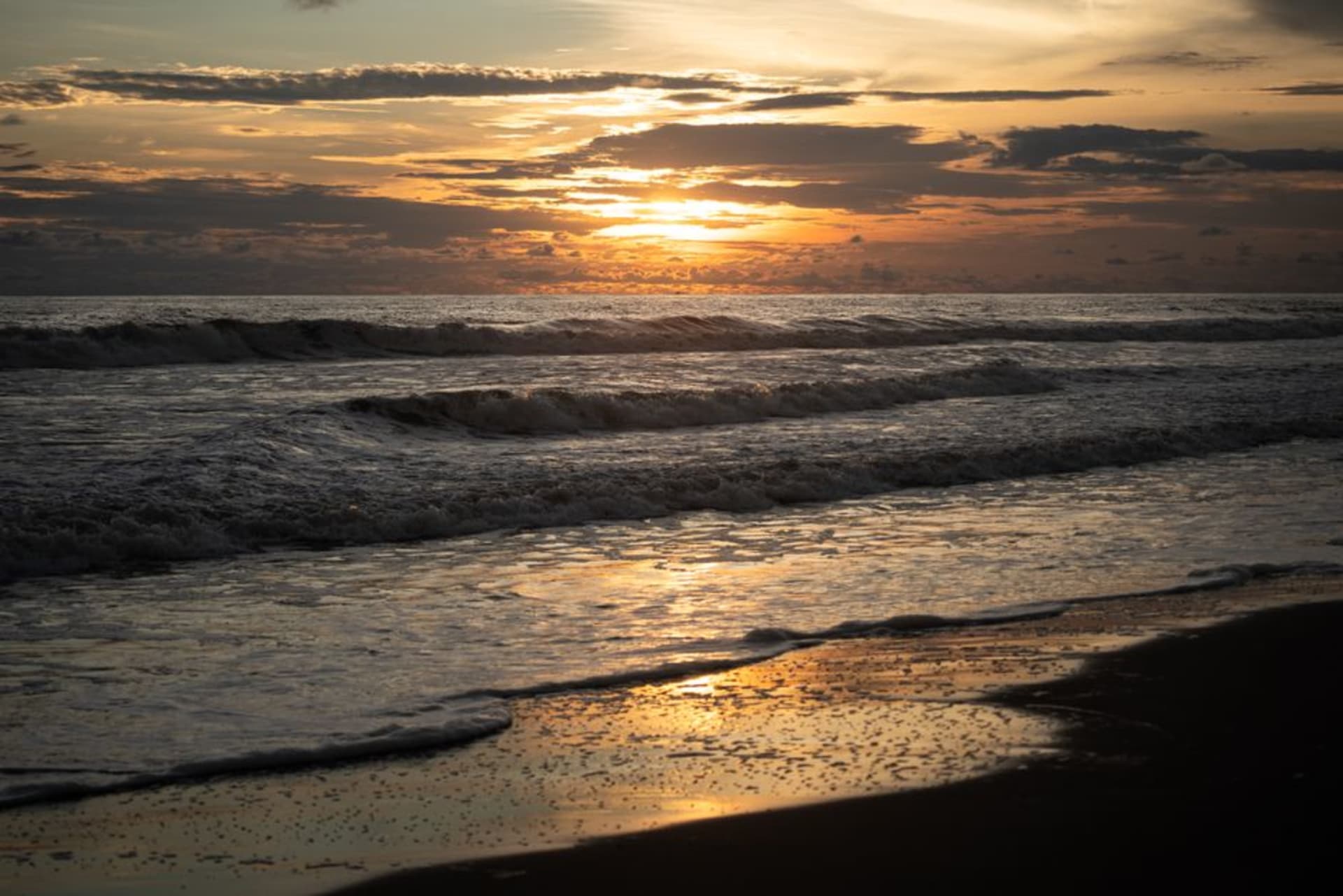
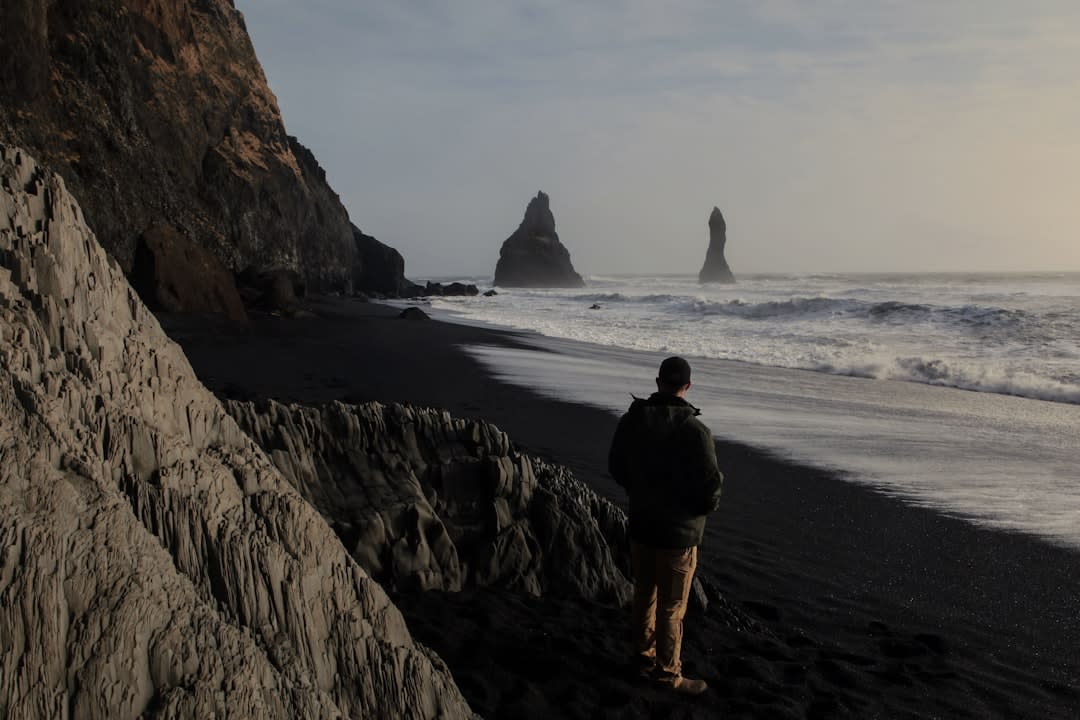
Champerico turns up in almost nobody’s Guatemala itinerary, and driving in past the shrimp-drying racks and the diesel smell of the fishing fleet, I understood why — this is a working port, not a resort, and it makes no attempt to pretend otherwise. The sand here is black, volcanic, hot enough underfoot at midday to make you hop toward the shade, and the Pacific swell that rolls in is heavy and brown, better suited to fishermen hauling nets than sunbathers. I liked it immediately for exactly the reasons most travelers skip it.
A pier with a past bigger than the town around it
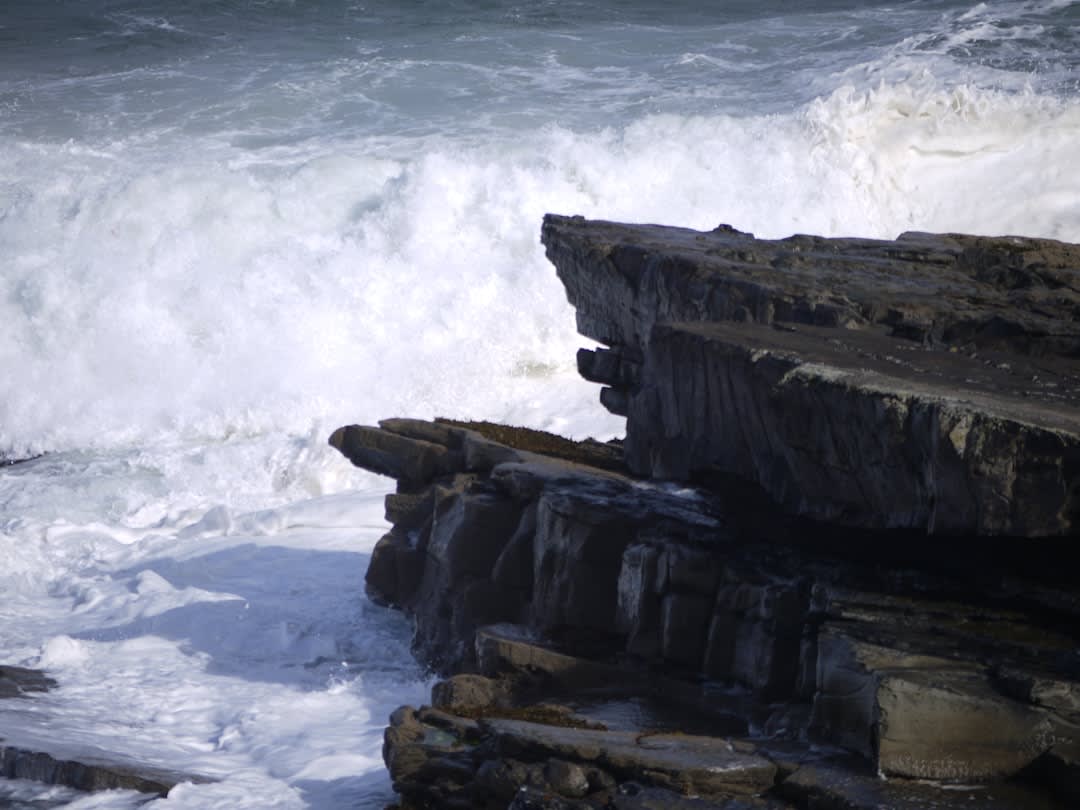
The real draw, at least for me, was the old iron pier — a rusted, partially collapsed structure standing out into the surf, remnant of a much grander history. Champerico was once one of Guatemala’s most important Pacific ports, built in the 19th century specifically to ship the country’s booming coffee exports out to the world, back when this stretch of coast mattered enormously to the national economy. Walking as far out onto the surviving section as I trusted the rusted metal to hold, waves breaking directly beneath my feet, it was hard to square the scene with old photos I’d seen of steamships anchored offshore and cargo being ferried in on smaller boats. The pier now serves mostly as a fishing spot and a slightly hazardous photo opportunity, its industrial purpose long since moved to Puerto Quetzal down the coast.
Fishermen, not tourists
What I remember most is the rhythm of the town itself — pangas coming in around midday, their catch sorted straight onto tarps on the black sand, gulls and pelicans working the edges of the operation with practiced patience. A fisherman named Wilmer let me help haul in a net for the novelty of it, laughing at how badly I handled the rope, and afterward sold me a bag of small shrimp for almost nothing, which a woman nearby fried up on a portable stove right there on the beach. There’s no boardwalk, no beach bar scene, nothing built for visitors at all — just a town going about the same business it has for well over a century, indifferent to whether anyone’s watching.
When to go: Dry season (November to April) for calmer seas and easier beach walking; avoid wading in the surf here regardless of season, as the undertow along this stretch of coast has a real reputation.