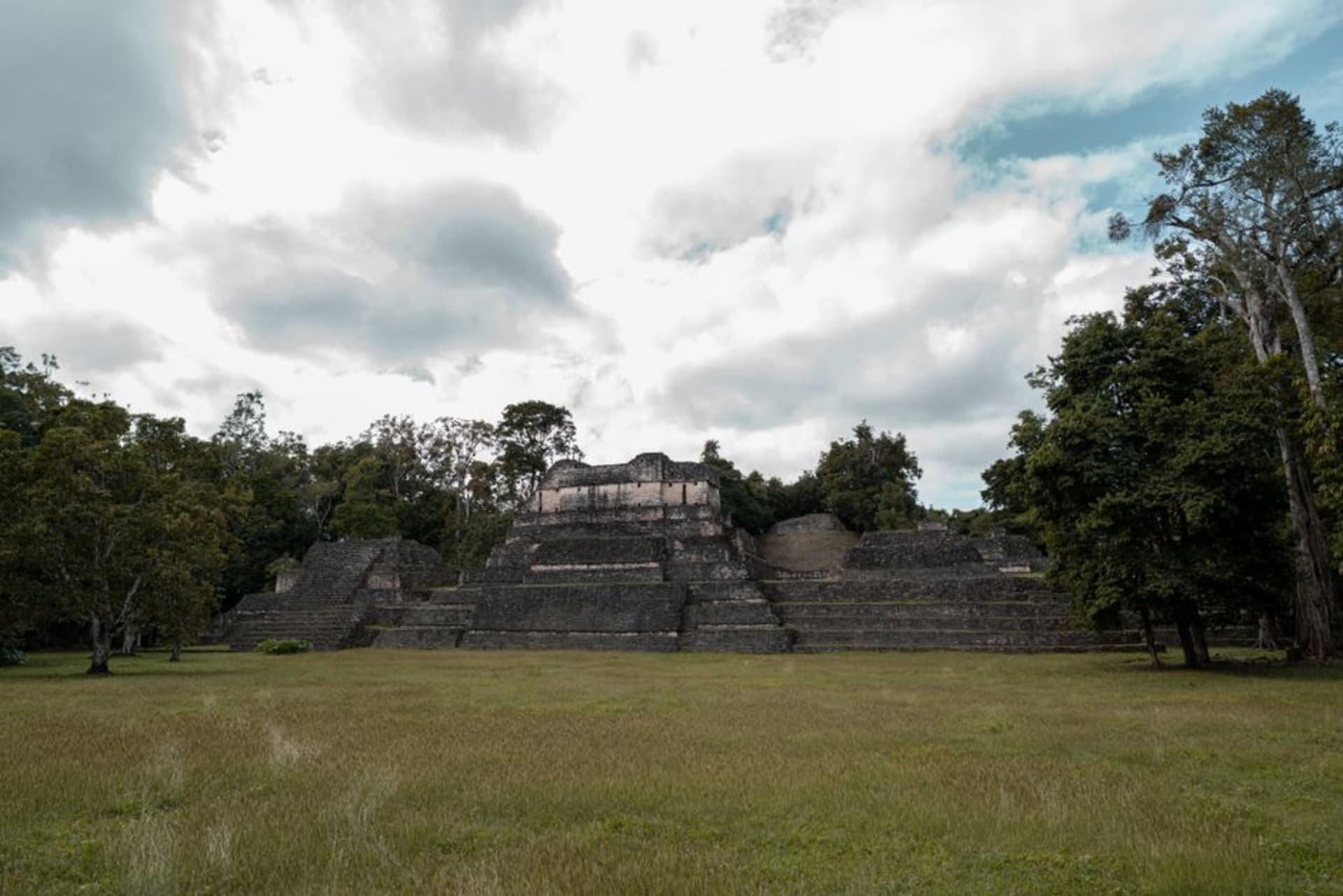
Ceibal
"Forty minutes upriver by lancha, and suddenly you're at a Maya city almost nobody bothers to visit."
A Late Preclassic Maya city on the banks of the Río de la Pasión, reached by boat from Sayaxché, with a rare circular pyramid unlike anything else in the region.
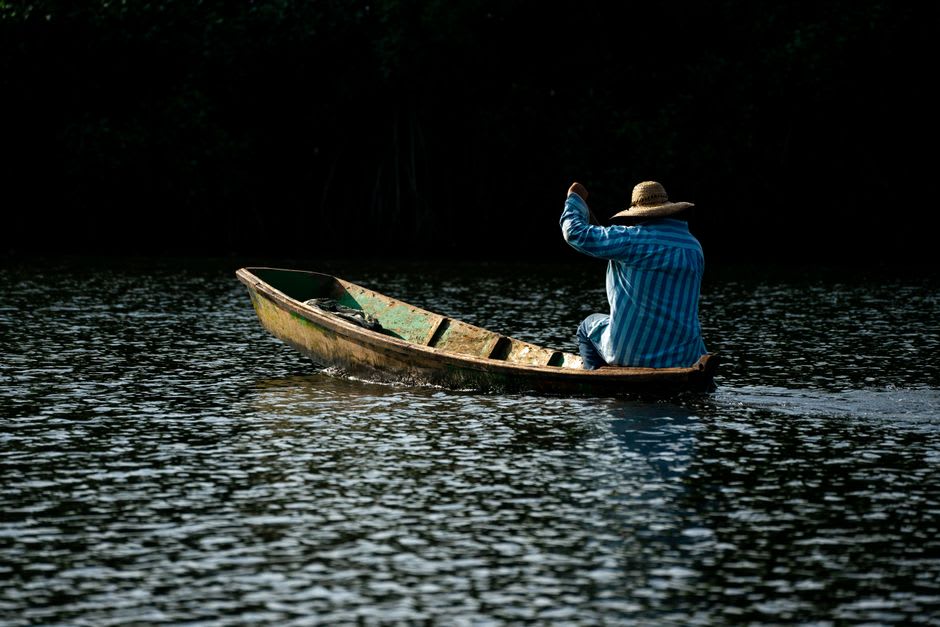
Getting to Ceibal means first getting to Sayaxché, a sleepy river town on the Río de la Pasión that most travelers only pass through on their way somewhere else. I stopped there because a boatman named Tono flagged me down at the dock and asked, with real disbelief, why a foreigner would drive all this way and not go see the ruins. Forty minutes later I was in his narrow lancha, engine coughing black smoke, cutting upriver through water the color of strong tea, herons lifting off the banks ahead of us. Ceibal announced itself the way I imagine it always has — not with a grand entrance, but with a quiet clearing in the trees at the top of a muddy bank.
The only round pyramid in the Maya world
What makes Ceibal genuinely distinct — not just quieter, but architecturally strange — is Structure A-3, a circular pyramid unlike almost anything else built by the Maya. Most temple platforms are rectangular, stacked, angular; this one is a smooth, radial mound, and archaeologists still debate exactly what god or ritual it served. Standing at its base with Tono waiting by the boat below, I found myself circling it slowly, the way you’d walk around a strange sculpture in a museum trying to understand it from every angle. Ceibal also matters because it’s one of the oldest continuously occupied Maya sites known — settlement here goes back to around 1000 BC, deep into the Preclassic, long before most of the temples tourists visit were ever conceived.
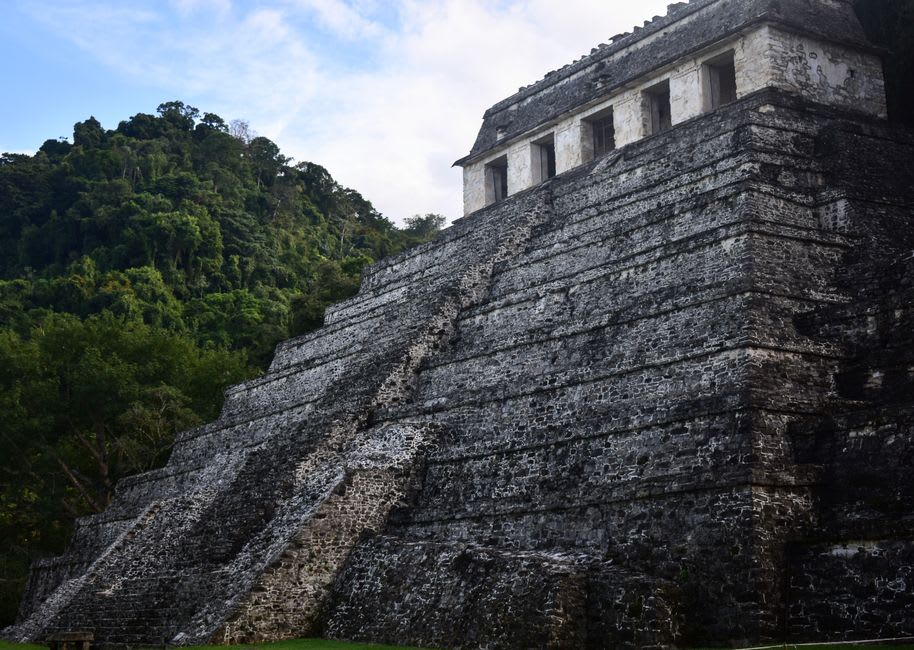
A river that still does the work
The Pasión River isn’t incidental to Ceibal — it’s the reason the city existed at all, a trade artery linking the Petén interior to the Usumacinta and onward to the Gulf of Mexico. Riding back at golden hour, Tono cut the engine and let us drift for a few minutes near a bend where cormorants were diving. He told me his father used to run cargo up this same stretch of river before the roads improved, hauling chicle and mahogany the way Maya traders once hauled jade and cacao. Ceibal, more than any other site I’ve visited in Guatemala, felt like a place you understand through the water that surrounds it, not just the stones.
When to go: Dry season, December to April, when the river is calmer and the boat ride smoother. Base yourself in Sayaxché for one night — there’s no reason to rush this one.