Les Saintes
"Terre-de-Haut at dawn, before the ferry arrives, is the quietest thing I found in the Caribbean."
I took the first ferry from Trois-Rivières, the 8am departure that gets to Terre-de-Haut before the day-trippers, and what I found when I stepped off the gangplank was a village that seemed to be operating under a different set of physical rules. The bay curved around the boat landing in a shape that I recognized from books of photography I’d looked at in waiting rooms and never expected to see in person — that particular configuration of volcanic headlands, still water turning from deep blue to green to turquoise as the depth decreased, and small painted wooden boats anchored in the foreground. Columbus rated it among the finest harbors in the world, which was excessive but understandable given the view.

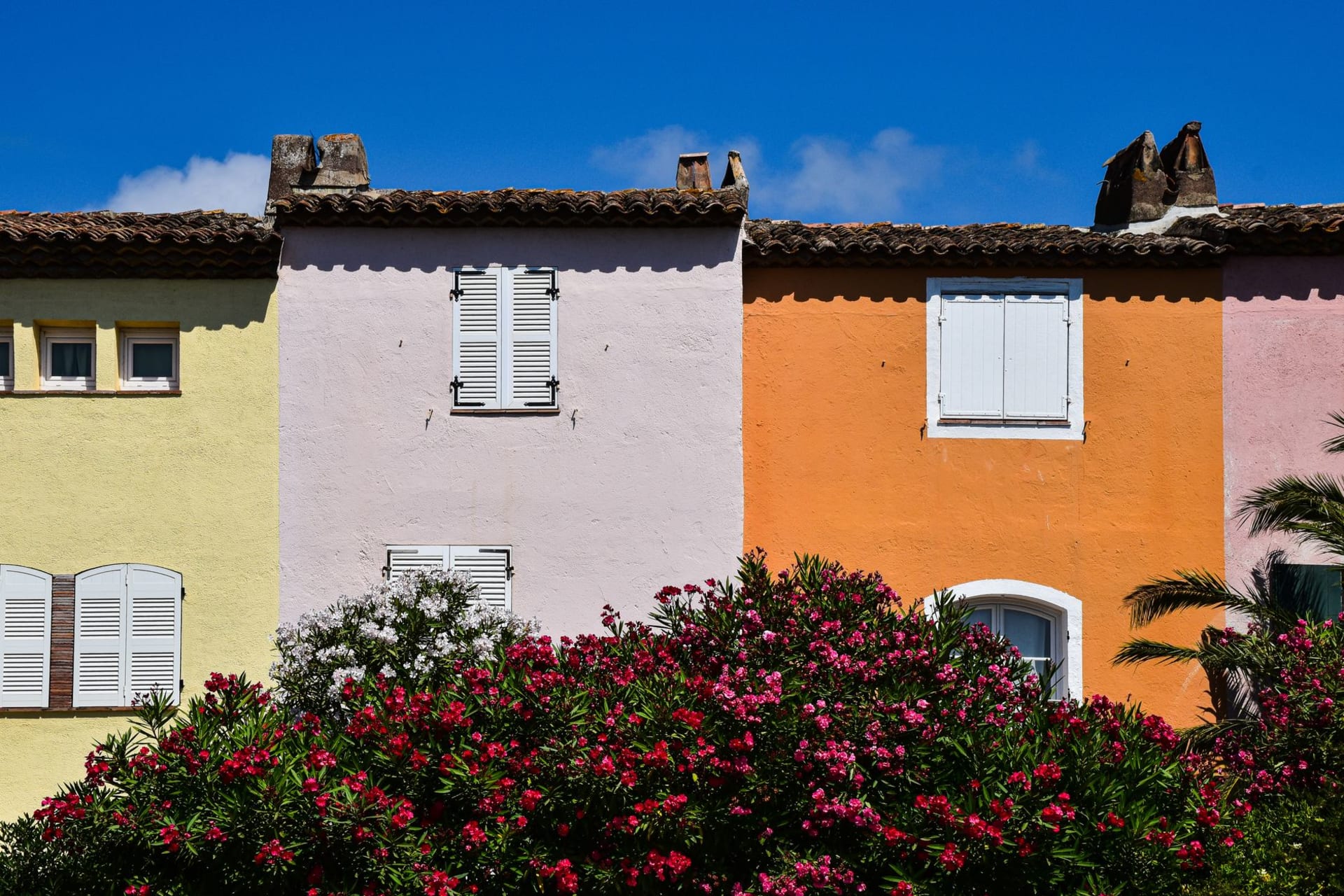
The island is eight square kilometers. The main village — the only real settlement on Terre-de-Haut — is a single curving street of Creole houses, a church, several small restaurants, a bakery that opens at six and sells something called a tourment d’amour, a coconut custard tart in a shortcrust shell that I ate three of on different mornings without once thinking I was being excessive. The streets are too narrow for most cars — people move by bicycle and by the three-wheeled scooter vehicles that zip around the island with a determination that makes them impossible to predict. The pace adjusts you rather than the reverse. After an hour I was already moving differently.
Fort Napoléon sits at the top of a long climb above the village, with views back over the bay and across to the volcanic cones of Basse-Terre in the distance. It’s a proper fort, used until the twentieth century, now part museum of the naval battle of 1782 and part cactus garden in the sun-blasted glacis. The museum is oddly compelling — the French navy’s perspective on Caribbean colonial history rendered in careful dioramas and original charts — and the cactus garden is extraordinary in a way I didn’t anticipate: iguanas lying in the sun between towering columns of prickly pear, completely uninterested in being observed.

The beach at Pain de Sucre — named for the sugarloaf rock that guards its entrance — is on the north side of the island, a twenty-minute walk from the village on a path that crosses a rocky headland. The water there was the specific shade of blue that doesn’t look real in photographs and only half-real in person. I swam for an hour, found a flat rock in the shade of the headland, and watched pelicans work the water just beyond the breaking waves. On the ferry home, in the late afternoon, the light was hitting the bay at such an angle that everything looked slightly edited. I accepted this.
When to go: Les Saintes is most peaceful in the shoulder months — May and October through November — when the crowds from Guadeloupe’s main island thin out. Avoid weekends in the French holiday season (late July through August) when the day-trip ferries run at maximum capacity and the village feels significantly smaller than it is. The first ferry from Trois-Rivières is always the right choice — you get two hours before the bulk of visitors arrive.