Bouillante
"A sea turtle surfaced three meters from my fins and we both pretended the other wasn't there — Bouillante was always worth the detour."
The dive briefing happened in a shed at the edge of the car park, the dive master drawing the site map with a marker on a whiteboard that had been used so many times the ghost of previous briefings showed through the current one. Jardin de Corail — Coral Garden — is Bouillante’s flagship site, a shallow reef running parallel to the coast for several hundred meters, accessible to snorkelers at the surface and to divers at depth. I was told there were turtles, in the tone of voice used for things that are extremely likely but that you cannot technically guarantee. There were turtles.
The green turtle that surfaced three meters from my fins was not interested in me. It came up, took a breath — a sound like something clearing its throat — looked around with the studied indifference of an animal that has been here for eighty million years and will almost certainly outlast the dive industry, and descended again. I hung in place and watched it move down through the water, growing smaller against the coral until it became the same color as the reef and disappeared. The reef itself was genuinely good: staghorn coral in formations I hadn’t seen in that condition since the Yucatán, parrotfish the size of footballs working the coral faces, a school of jacks hanging in the mid-water column in a formation that seemed too synchronized to be accidental.
What makes Bouillante specifically unusual is the geothermal element. The name comes from bouillir — to boil — and the village sits above volcanic activity that seeps through the seafloor in places, creating warm patches in the water and, at one particular dive site, a literal underwater fumarole where bubbles rise from a vent in the sand surrounded by shrimp that have specialized for exactly this environment. I have been in a lot of water in a lot of countries and I have never felt the floor of the sea vibrate very slightly beneath me before. It is a specific sensation.
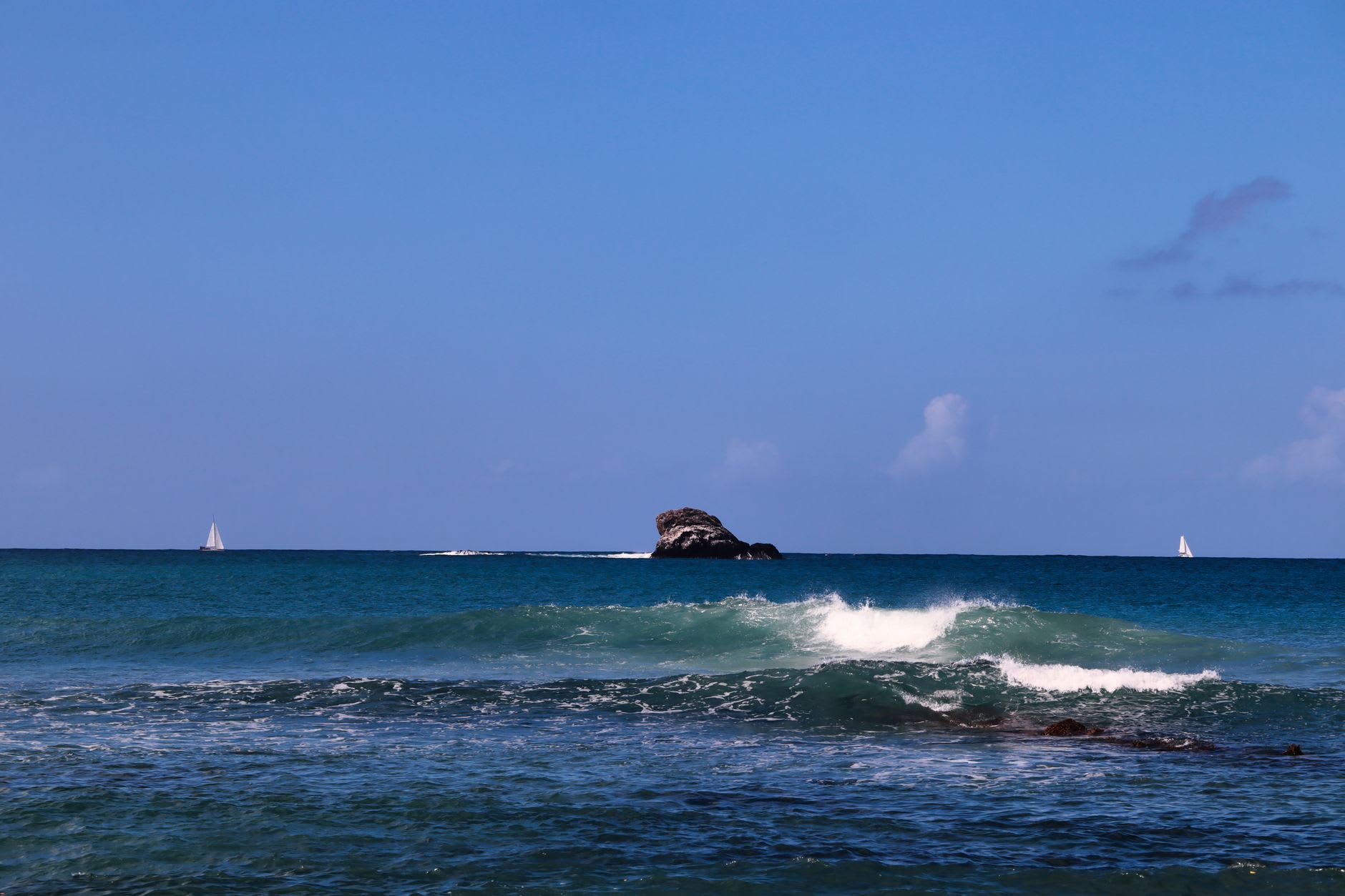
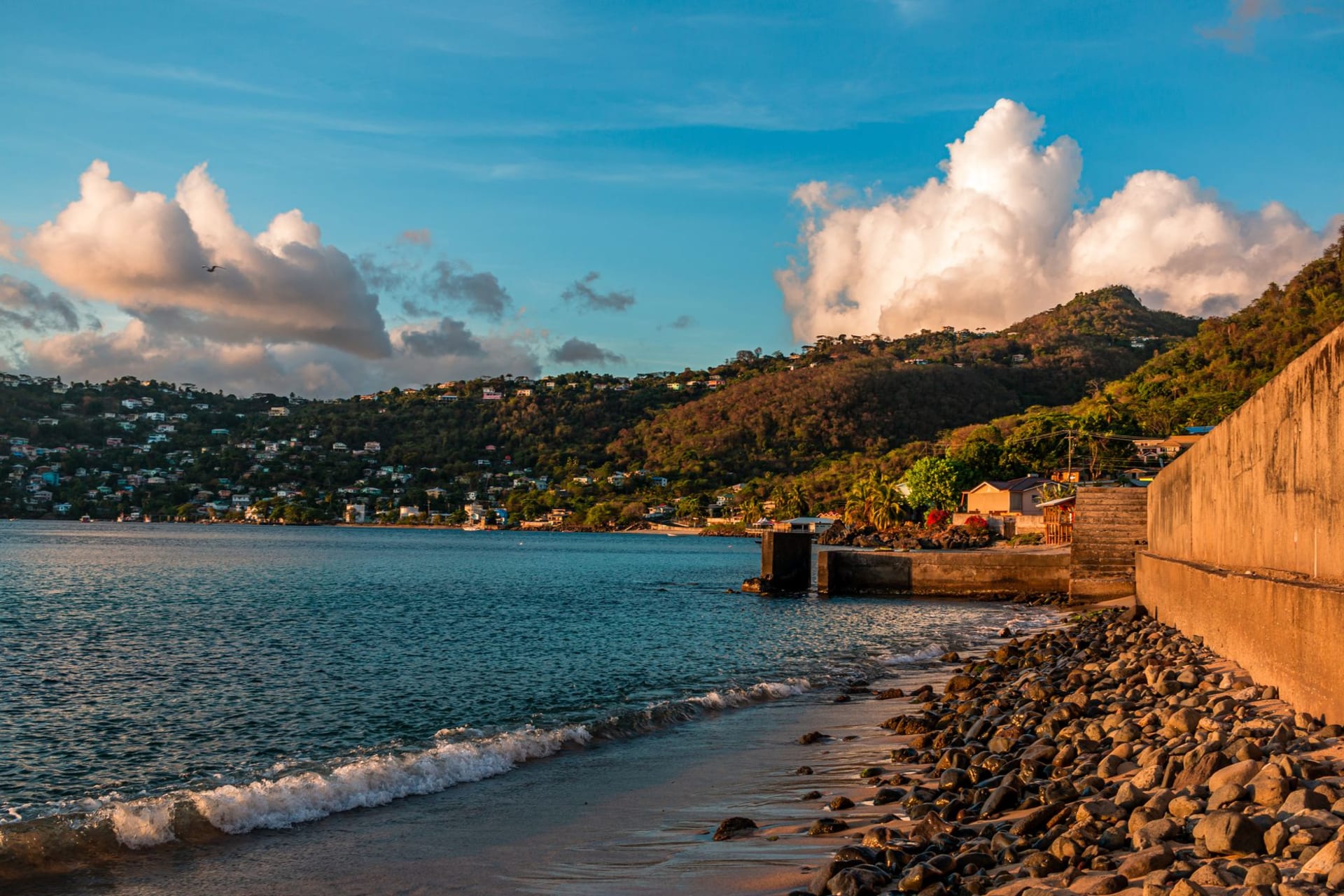
Above the water, Bouillante is a working coastal village that hasn’t converted itself entirely to dive tourism. The main road runs along the waterfront, there are fishing boats pulled up on the beach in the traditional way, and the restaurants serve a version of Creole food that is more focused on freshness than presentation. I ate grilled red snapper at a table under a tarpaulin awning with a view of the bay, accompanied by christophine gratin — a gratin of chayote, which is either a vegetable or a fruit depending on who you ask and tastes particularly good when someone who knows what they’re doing makes it — and a cold Corsair beer that was probably too cold but which I wasn’t going to complain about.
When to go: Bouillante’s diving is best from December through April when visibility is highest and the sea is calmer. The turtle population is resident year-round, though encounters are more frequent in the dry season months. If you’re not diving, the snorkeling directly off the village beach is worth doing — rent fins and a mask from one of the dive centers and you can reach the reef from the shore without a boat. Come early in the week; weekends bring Guadeloupeans from Pointe-à-Pitre for diving, and the entry sites get busy.