Belmont Estate
"I have eaten good chocolate in a lot of countries. I have never understood it the way I did here."
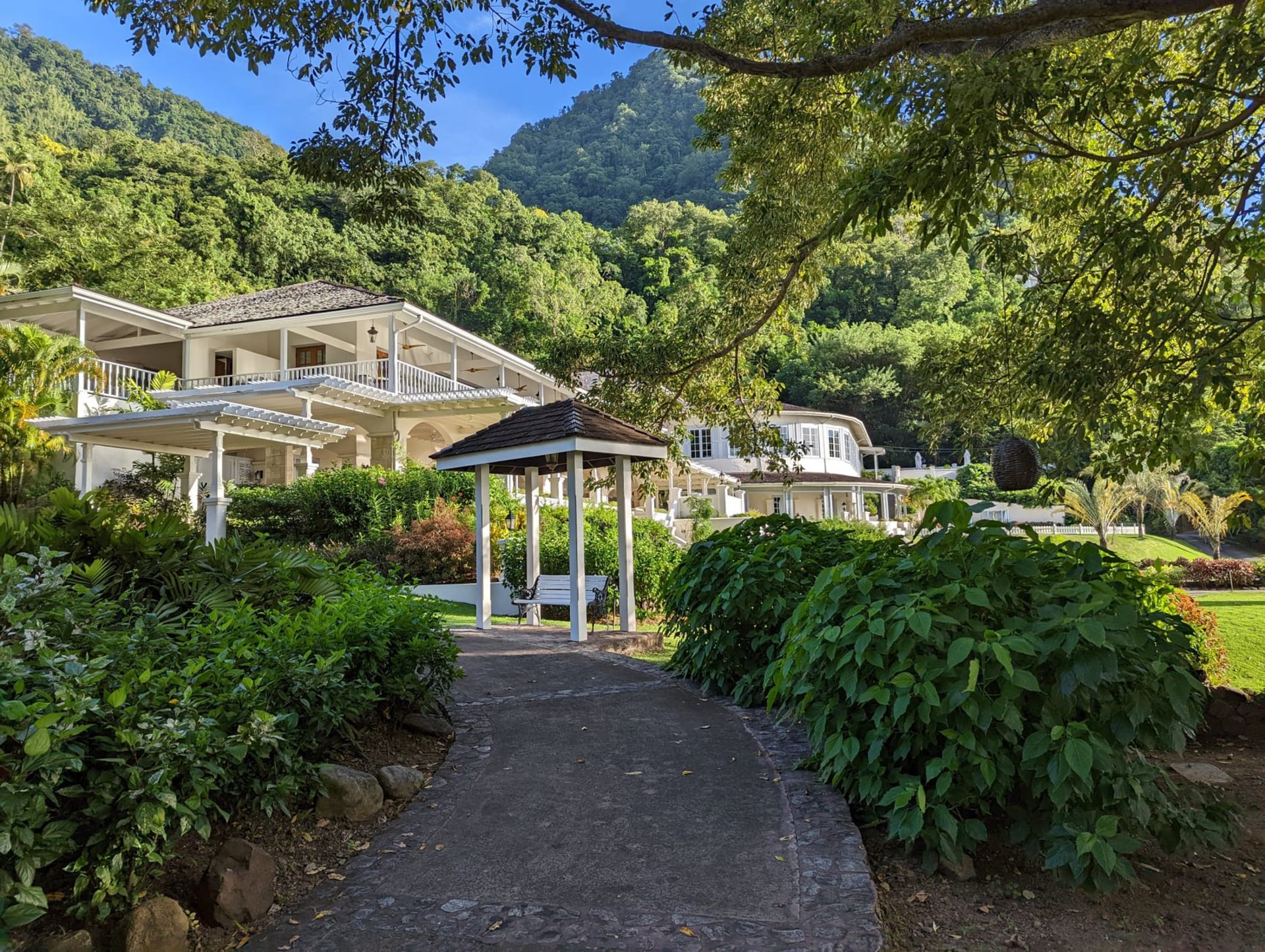
Belmont Estate sits in the northern hills of St. Patrick’s parish, and the drive there through the spice country — the road narrowing, the cocoa trees thickening, the air going sweet and green — gives you a good fifteen minutes to understand that you are heading somewhere with its own logic. The estate itself has been here since the 1600s, changing hands through the centuries, and what strikes you immediately is that it looks like what it is: a farm that has been continuously worked across generations, not a constructed heritage experience. The cocoa trees are old. The wooden fermentation boxes are stained with years of use. The drying beds smell like the memory of a thousand harvests.
The tours here are led by staff who know the farm by feel rather than by script. My guide was a man named Desmond who had worked the estate for over twenty years and spoke about cocoa with the specificity of someone who has observed the same cycle enough times to understand its variations. He showed me the difference between the Trinitario and the Forastero varieties growing in the same grove — the pods different in colour and shape, the flavour profiles distinct enough that he could describe them the way a sommelier describes grape varieties. This is organic certified, he told me, not as a marketing point but as an explanation of how the work gets done: by hand, without shortcuts.

The fermentation process is what I found most compelling — and I say this as someone who came mainly for the chocolate at the end. The harvested pods are split open and the seeds, still coated in their white mucilage, are piled into wooden boxes where they ferment for five to eight days. The smell during fermentation is not the smell of chocolate; it is something wilder, more alcoholic, faintly vinegar-sharp. It is only after fermentation and drying and roasting that the flavour begins to recognise itself. Desmond walked me through each stage with a sample at each point, and watching the taste transform was like watching a sentence being written one word at a time.
The lunch they serve at the estate kitchen is the other reason to come. It is set out at long tables under a covered terrace overlooking the gardens, and the menu is built from what the estate and the surrounding area produces: callaloo soup thick and dark with dasheen leaves, rice cooked with the coconut milk pressed on the property, chicken stewed with local spices. There is a directness to the food that comes from proximity — everything tastes like it was growing this morning, which, in most cases, it was.
The chocolate tasting at the end is where Desmond becomes quietly triumphant. He puts out squares of various percentages — 60, 71, 82 percent dark — and says very little, letting the flavour make the argument. The 71 percent has a fruit note at the front, something like a ripe plum, followed by a long, clean finish with no bitterness. I have eaten good chocolate in Paris and in Oaxaca and in a small shop in Brussels that had been there since 1910. This was better than most of them, or at least it carried the weight of a context that changed how I tasted it.

The estate shop sells bars, cocoa powder, and cocoa tea — the compressed balls of raw unsweetened chocolate used to make the traditional Grenadian hot drink. I bought enough to be embarrassed at the airport and did not regret it.
When to go: Belmont Estate runs tours most days, with mornings generally preferable — the light is better for the fermentation beds and the estate kitchen lunch runs at midday. Book ahead during high season (January through April). The main cocoa harvest runs from January to June, which is when the estate is at its most active and the pods most visible on the trees.