Caribbean
Grenada
"Grenada smells like nutmeg before you even see it from the plane."
I landed in Grenada on a Tuesday afternoon and the first thing that hit me was the smell — warm and spiced, something between a kitchen and a forest. It took a minute to place it: nutmeg. The whole island carries it, faintly, the way some cities carry diesel or salt. You do not expect an entire nation to have a scent, but Grenada does, and it sets the tone for everything else. This is a place that produces things — spices, cocoa, rum, fruit — rather than simply packaging itself as a getaway.
St. George’s is one of the more genuinely beautiful capital cities in the Caribbean. The horseshoe harbor, the pastel buildings stacked up the hillside, Fort George looming above it all — it looks like someone sketched the ideal Caribbean town before the cruise ships and resort developers arrived and then, somehow, managed to build it. The market on Saturday morning is where you go first: stalls of nutmeg, mace, cinnamon, bay leaves, turmeric root, cocoa balls. Women grinding fresh spices. Vendors who will tell you exactly which hot sauce is made for fish and which one will level you. I spent two hours there on my first morning and did not buy a single thing intended for tourists.
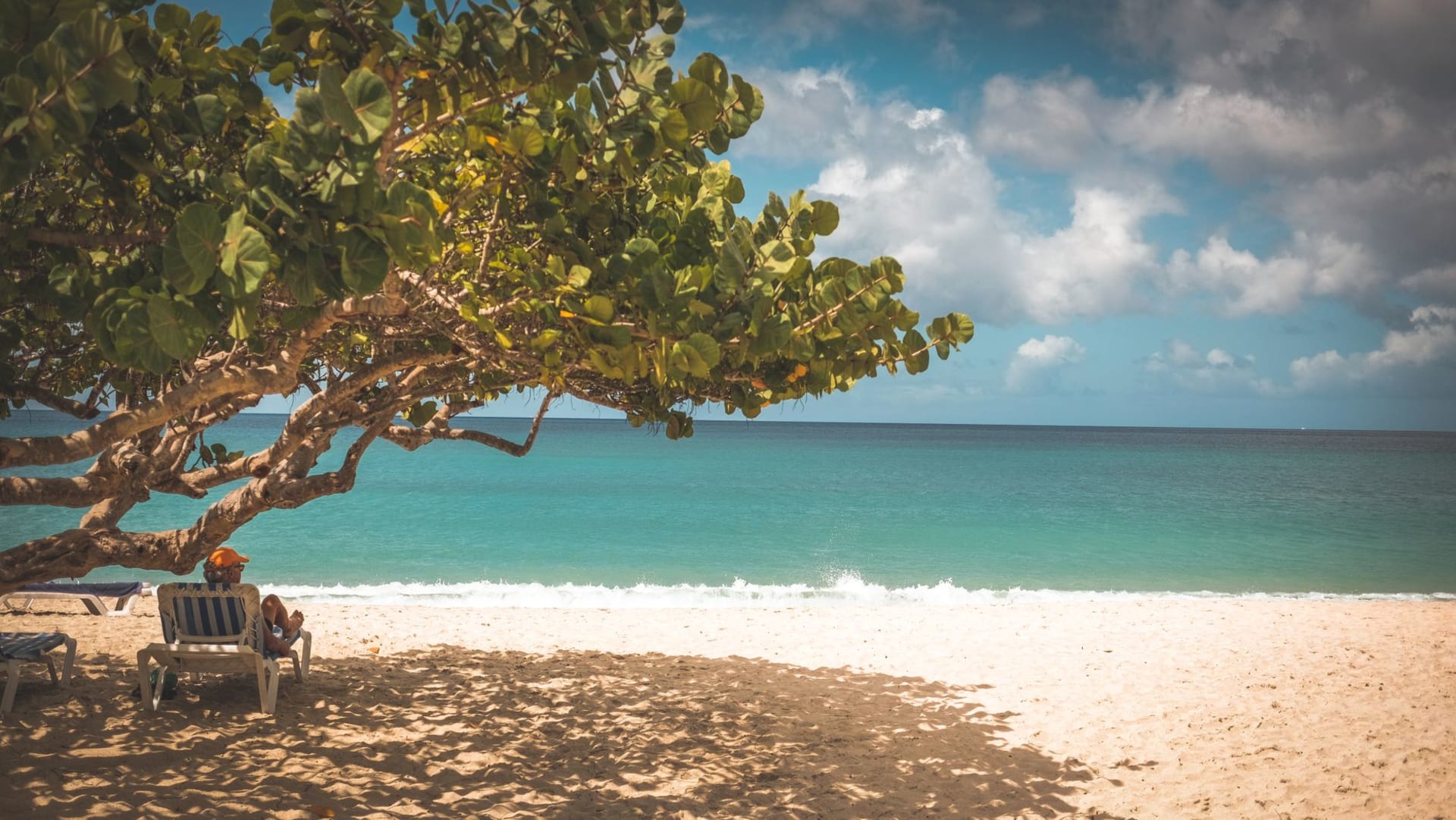
Grand Anse is the long beach that gets most of the attention, and it deserves some of it — two miles of soft sand, the water genuinely the color it is in photographs. But I preferred the north coast, around Sauteurs and Levera Beach, where the Atlantic rolls in rough and the crowds thin to almost nothing. The Concord waterfall trail cut through plantation land still producing nutmeg and cocoa, the trees heavy with fruit that looked almost artificially ripe. The chocolate made here — Grenada Chocolate Company operates as a cooperative — is among the best I have tasted anywhere, and I grew up near France. Order the dark. Eat it slowly.
When to go: January through May is the dry season and the best window — clear skies, lower humidity, calm seas ideal for the northern dive sites and Underwater Sculpture Park near Molinière. December is festive but busy. Avoid August and September if you can; those are peak hurricane months and the humidity is punishing.
What most guides get wrong: They present Grenada as a quieter, more affordable alternative to Barbados or Saint Lucia — implying it is lesser, just cheaper. That framing misses the point entirely. Grenada is not a budget version of somewhere else. It has its own identity rooted in agriculture, in spice cultivation that pre-dates Caribbean tourism by centuries, and in a food culture that is genuinely worth seeking out. The oil-down — the national dish, breadfruit and salted meat stewed low and slow in coconut milk — is not Instagram food. It is the kind of thing that grounds you, that makes you understand why people stay.