Tiniteqilaaq
"Eighty people, no roads, no ferry schedule — and more dogs than people by a wide margin."
The boat from Tasiilaq to Tiniteqilaaq takes about two hours on open water, or longer when the ice forces detours. I made the crossing in late March on a small motorboat with three hunters returning from Tasiilaq with supplies, sitting on a box that turned out to contain sugar and condensed milk, watching the fjord walls rise on either side of us until the sky was just a strip of pale grey overhead. The boat driver knew every channel in the ice. He moved through it the way a city person moves through traffic, reading gaps three moves ahead, adjusting speed without appearing to think about it. I tried not to make eye contact with the ice that was sliding past the hull at arm’s length.
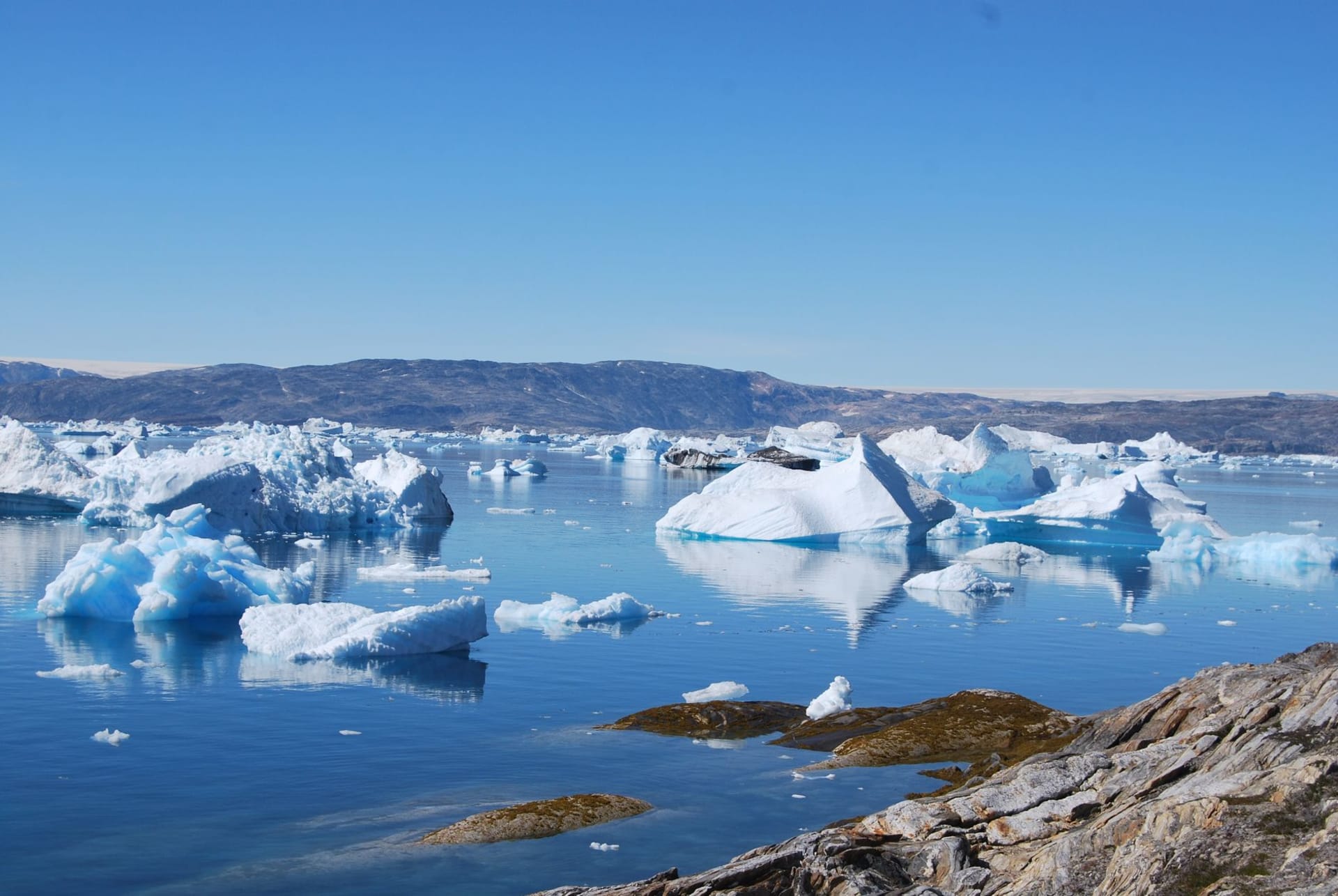
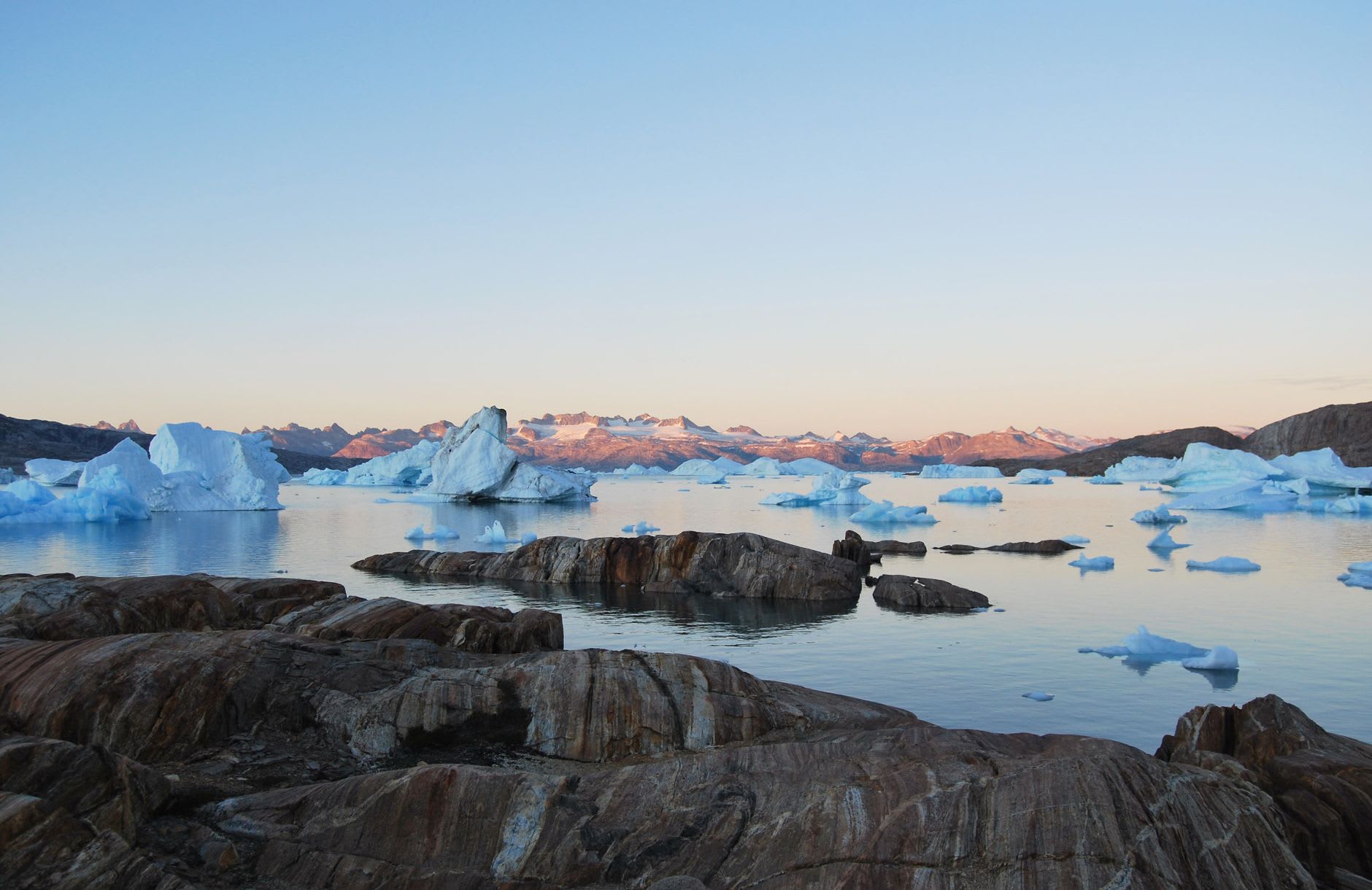
Tiniteqilaaq sits at the head of a fjord called Sermilik — a fjord that drains one of the most active glacier systems in East Greenland, producing icebergs at a rate that keeps the waterway choked for much of the year. The village itself is perhaps thirty houses, painted in the usual Greenlandic reds and blues and yellows, perched on a narrow ledge of rock above the water. There is a small shop open irregular hours, a school, a community building. No hotel — the guesthouses are spare rooms in family homes, and you arrange them through the Tasiilaq tourist office before you leave, on the assumption that your host will meet you when the boat arrives. Mine was a woman in her sixties who showed me to my room, left a thermos of tea, and disappeared. The room had a window facing the fjord and I sat at it for an hour watching the icebergs drift past and felt something I do not have a precise word for — not solitude exactly, more like relief.
The dogs are everywhere in Tiniteqilaaq — chained at the edge of the settlement in groups, Greenlandic sled dogs with their pale wolf eyes and their constant low howling. In a place this small, they outnumber the people. The hunters use them on the sea ice through winter, running teams toward the outer coast where the ice edge brings seals and sometimes polar bears. I watched a team being harnessed one morning before dawn — the organized chaos of it, the lead dog placed first, the others clipped in by a system that seemed casual until it was done and suddenly was tight and intentional. They left in a scatter of snow, twenty dogs in a fan formation, and the sound carried back for minutes after they disappeared around the headland.

There is no tourist infrastructure here and that is precisely the point. You are not a visitor to an experience; you are a guest in a place. The distinction matters. I ate with my host’s family both evenings, meals of boiled seal with dried halibut and tea, and the conversation was partly in Danish, partly in Greenlandic with her daughter translating, partly in gestures and laughter at whatever I misunderstood. Her granddaughter, maybe eight years old, spent both meals watching me eat with an expression of scientific interest. By the second evening she had decided I was acceptable and climbed onto the bench beside me to show me something on her tablet — a cartoon, not in Greenlandic or Danish but in English. The world arrives here too, just differently.
When to go: March and April for sea ice, dog sledding culture, and northern lights. Late June to August for open water, iceberg boat trips in Sermilik Fjord, and long light. Plan logistics through Tasiilaq; the guesthouses need advance notice and the boat schedule depends on ice conditions. Come with more time than you think you need — weather delays are the norm, not the exception.