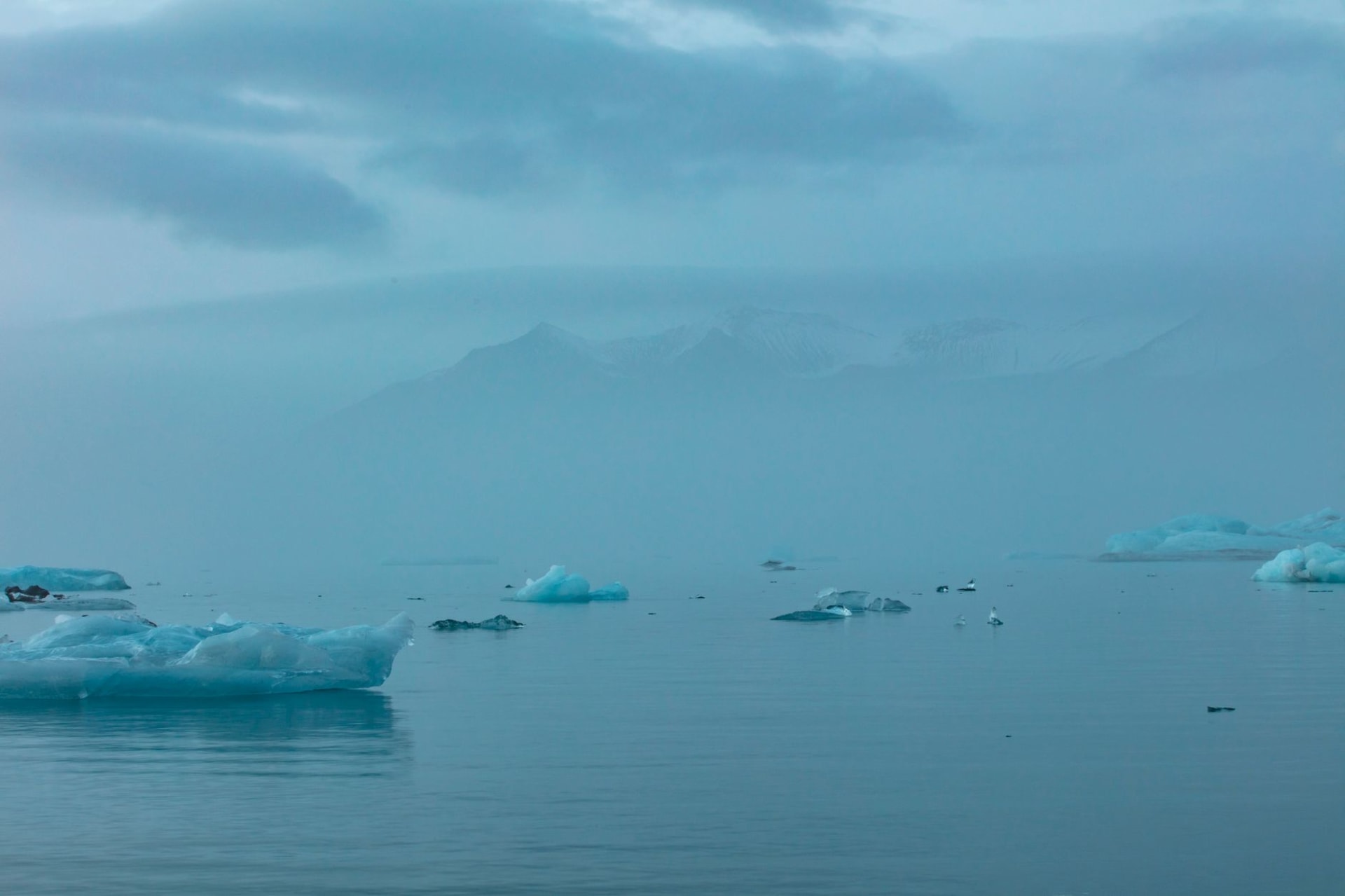
Narsarsuaq
"Erik the Red called it Greenland to attract settlers. Standing in this valley in July, the lie feels almost justified."
South Greenland catches people off guard. You fly in expecting the ice and desolation that the name suggests and you find instead a landscape of green valleys, sheep on hillsides, the smell of grass and wild thyme, and a fjord system so complex and beautiful that you understand immediately why Norse settlers from Iceland chose this specific coast to build their first North American settlements in 985 AD. Erik the Red had been banished from Iceland for manslaughter and took his fleet west along a coast the Norse had been sighting for decades. He landed in Eriksfjord — today called Tunulliarfik — and founded Brattahlid, the farm settlement that became the centre of the Eastern Settlement. Walking through those ruins in August, with cattle grazing nearby and icebergs floating at the fjord mouth two kilometres below, I felt the particular vertigo of a place where history and landscape have conspired to make an argument that time is not what we think it is.
Narsarsuaq is the entry point: a small settlement built around another WWII American airbase, stripped down now to a hotel, an airport, and a botanic garden that a local scientist has cultivated for decades using the southern fjord microclimate to grow species with no business being this far north. The garden is small and peculiar and wonderful — roses next to dwarf Arctic willows, herbs beside mosses, everything a little windswept. The botanical absurdity of it makes me happy every time I think about it. From Narsarsuaq, small boats cross the fjord to Qassiarsuk, the site of Brattahlid, where the ruins of Erik’s longhouse and a reconstructed turf church stand in a meadow of wildflowers.
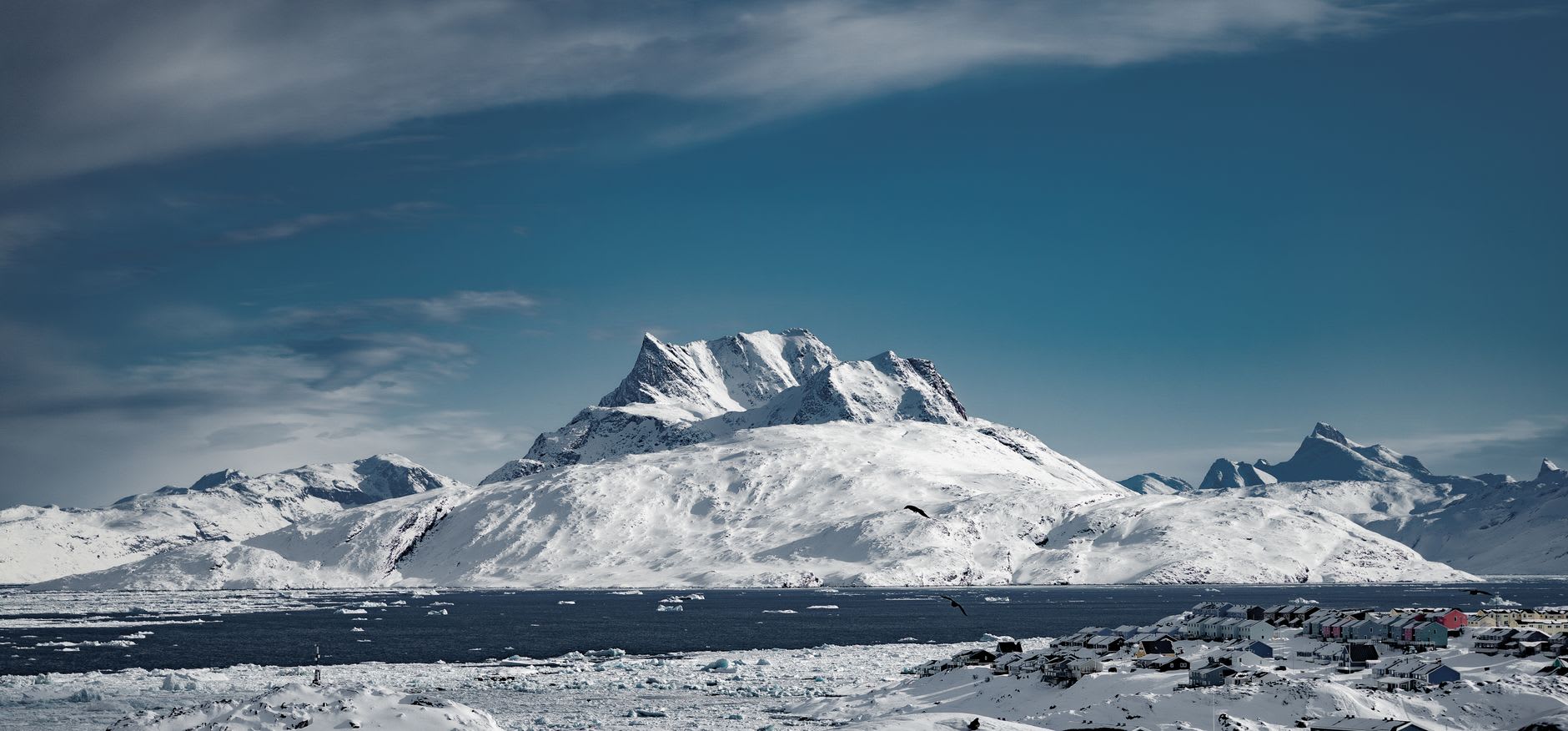
The hiking in South Greenland operates at a different register than the rest of the country. Rather than tundra and ice, the trails wind through birch scrub and beside rivers that run clear and cold over polished rock. The valley above Narsarsuaq leads to the ice sheet edge in four to five hours — a walk that passes through every Greenlandic ecosystem in compressed form: meadow, dwarf shrub, open tundra, bare rock, ice. I did it on a cloudy day that cleared at the top, just as the ice sheet came into view, turning the walk into an accidental drama. On the way back I picked crowberries for twenty minutes beside the trail. They tasted of cold and sweetness and nothing else.

The sheep farming tradition here runs continuous from the Norse period to the present day, a fact that feels significant when you are standing in a field that has been grazed for over a thousand years. The Greenlandic farmers of the south are a distinct community — some families trace their sheep farming heritage back generations, operating in a climate that is genuinely warming and making the growing season measurably longer. The farms sell lamb at the Narsaq market in summer, and if you can arrange a meal with a farming family, the food is extraordinary: braised lamb with root vegetables grown in the same valley soil that Norse settlers turned with iron tools. There is continuity here that the rest of Greenland, with its ice and its enforced nomadism, cannot offer. That continuity is the thing I keep thinking about.
When to go: June to September for hiking, Norse site visits, and the green valleys at their most improbably lush. July and August are warmest and most accessible, with boat connections to Qassiarsuk and the other fjord settlements. The autumn berries in August and September are outstanding. Some accommodation stays open into October but transport options reduce; check ferry schedules carefully.