
Ilulissat
"The icebergs are taller than apartment towers and they do not care that you are watching."
I arrived on a late-July evening when the sun was still high and orange — it would not set properly for another three weeks. The propeller plane banked low over Disko Bay on approach, and I pressed my face against the scratched window like a child because there were icebergs below, dozens of them, drifting in formation through water so dark it was almost black. I had seen photographs. The photographs were liars by omission. They could not convey the scale, and scale, I would learn over the next few days, is the entire point of Ilulissat.
The town itself is small — around 4,500 people — and its colorful houses climb a hillside above the bay in that Greenlandic way: red, yellow, blue, the same palette repeated in every settlement from Nuuk to Qaanaaq. The streets are unpaved and the supermarket sells dried seal meat alongside Danish pastries. On the boardwalk near the harbor, fishing boats unload halibut while children on bikes weave between the nets. I stood and watched this for a long time, because it felt like life happening at its own pace, indifferent to the UNESCO World Heritage Site directly beneath it.
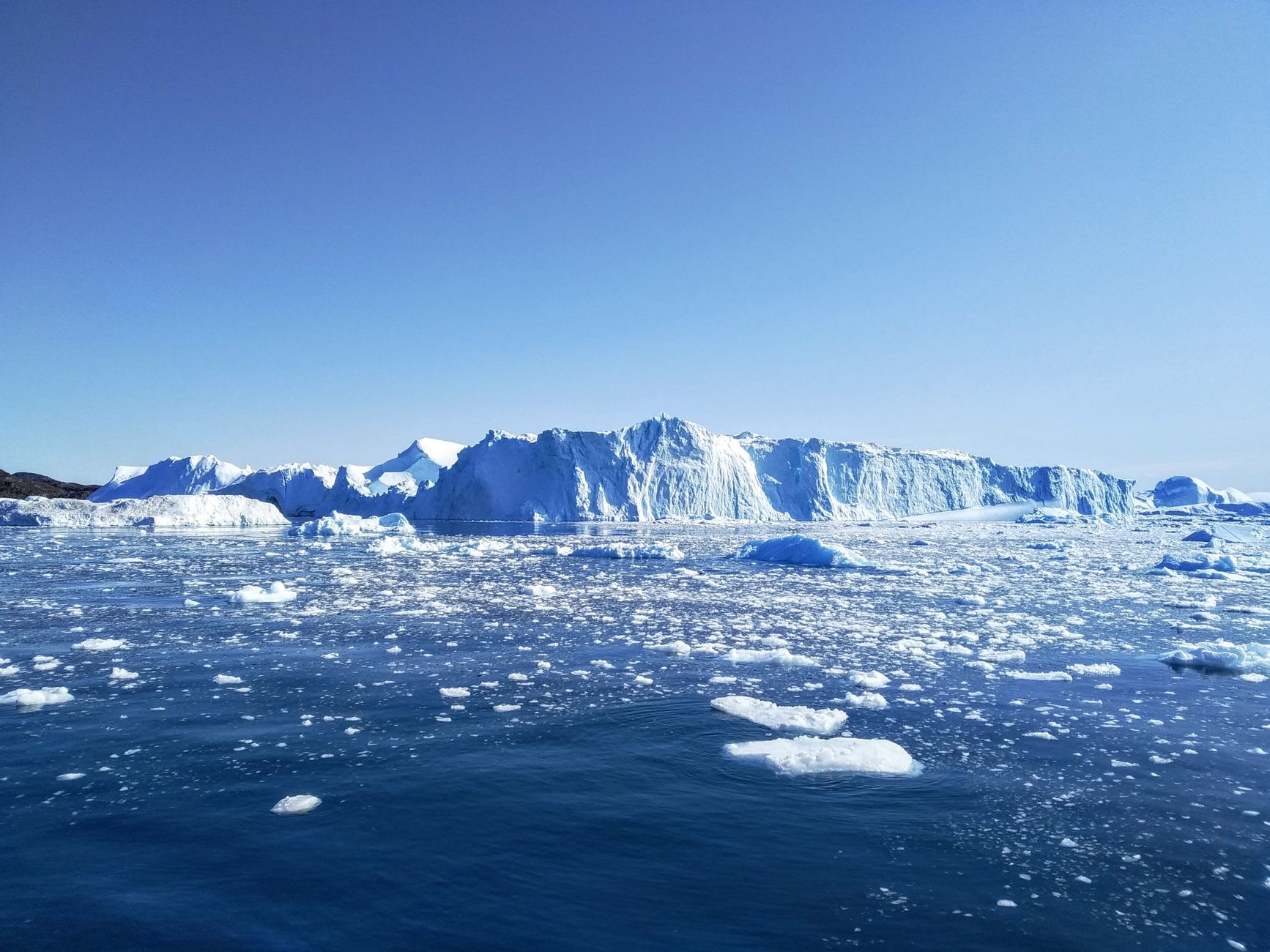
The icefjord is reached by a wooden boardwalk that cuts across tundra dotted with Arctic cotton grass. It ends at a viewing platform over the Kangia fjord, and what you see from there is the output of the Sermeq Kujalleq glacier — one of the fastest-moving glaciers on Earth, producing roughly 46 cubic kilometres of ice per year. The icebergs ground themselves in the shallow fjord mouth before eventually breaking free into the bay. Some have been stuck there for years. Their shapes are architectural: arches, towers, flat-topped platforms the colour of turquoise glass. I sat at the platform edge for over an hour, and the landscape made sounds the whole time — a deep cracking and groaning, like a building settling, except the building was the size of a small country. The Sermermiut archaeological site sits along the boardwalk, where Saqqaq and Dorset peoples lived for thousands of years before the Inuit arrived. The ruins are shallow depressions in the tundra now, but standing among them with the icefjord behind you, the continuity of human presence in this inhospitable place feels genuinely astonishing.
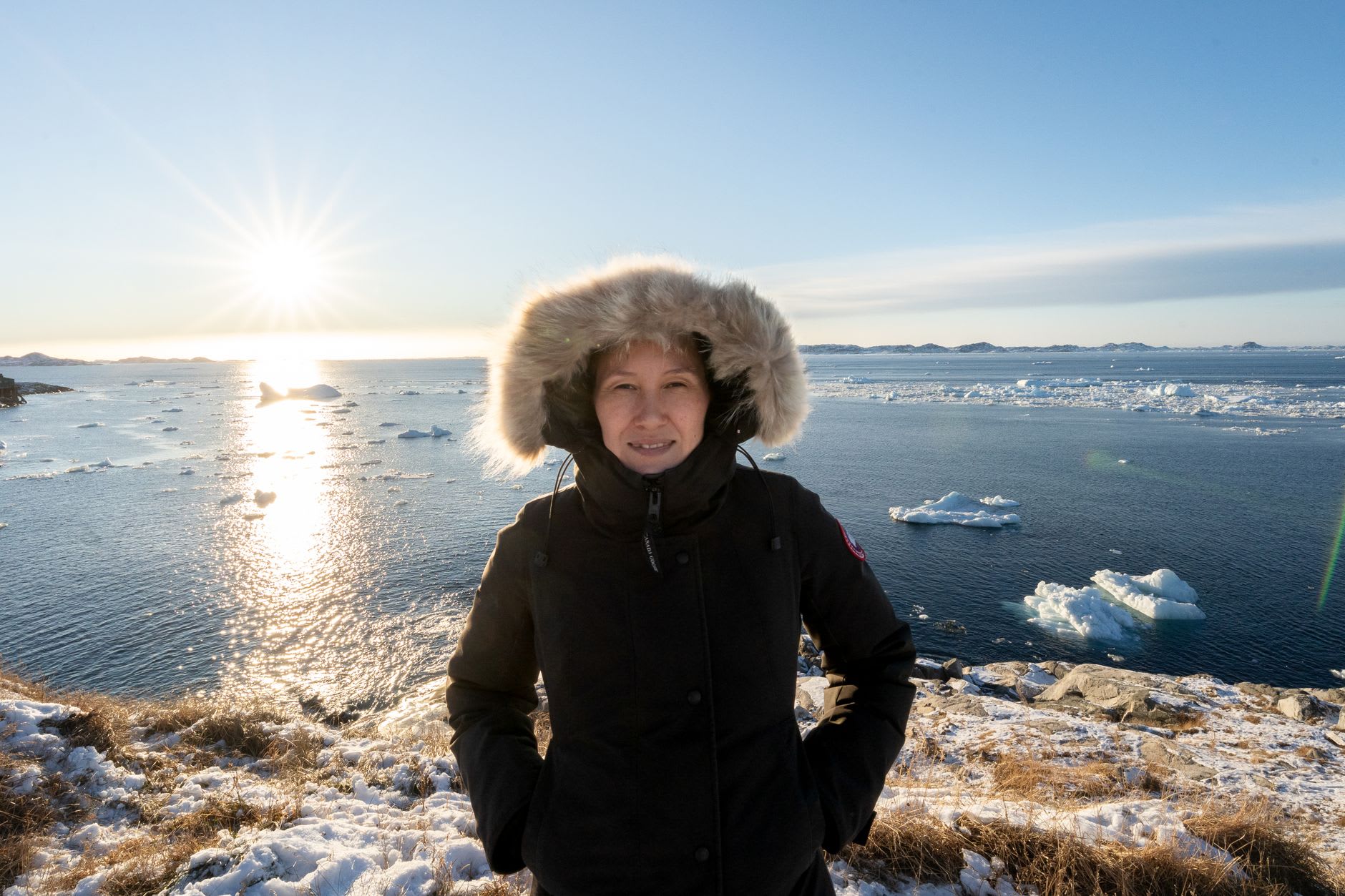
The food in Ilulissat is worth seeking out, particularly at the smaller local restaurants rather than the hotel dining rooms aimed at tour groups. I ate suaasat — the traditional Greenlandic soup of reindeer or seal with pearl barley — at a table so close to the window that my breath fogged it. The broth was deep and smoky, not pretty, the kind of thing that makes sense after hours in cold air. Halibut appears on every menu, always fresh, usually simply prepared. In the evenings, with the sun doing its low arc above the horizon, I would walk to the eastern headland and sit watching the icebergs change colour as the light shifted from gold to pink to a strange lilac. Other travelers were there too, but we all fell into the same silence. The icefjord has a way of making conversation seem beside the point.
When to go: June to August for the midnight sun, boat tours among the icebergs, and hiking on the soft tundra. July is warmest and most crowded. March and April offer dog sledding on the sea ice and good northern lights viewing on clear nights. The icefjord is extraordinary in winter too, when the icebergs sit frozen in place and the silence deepens.