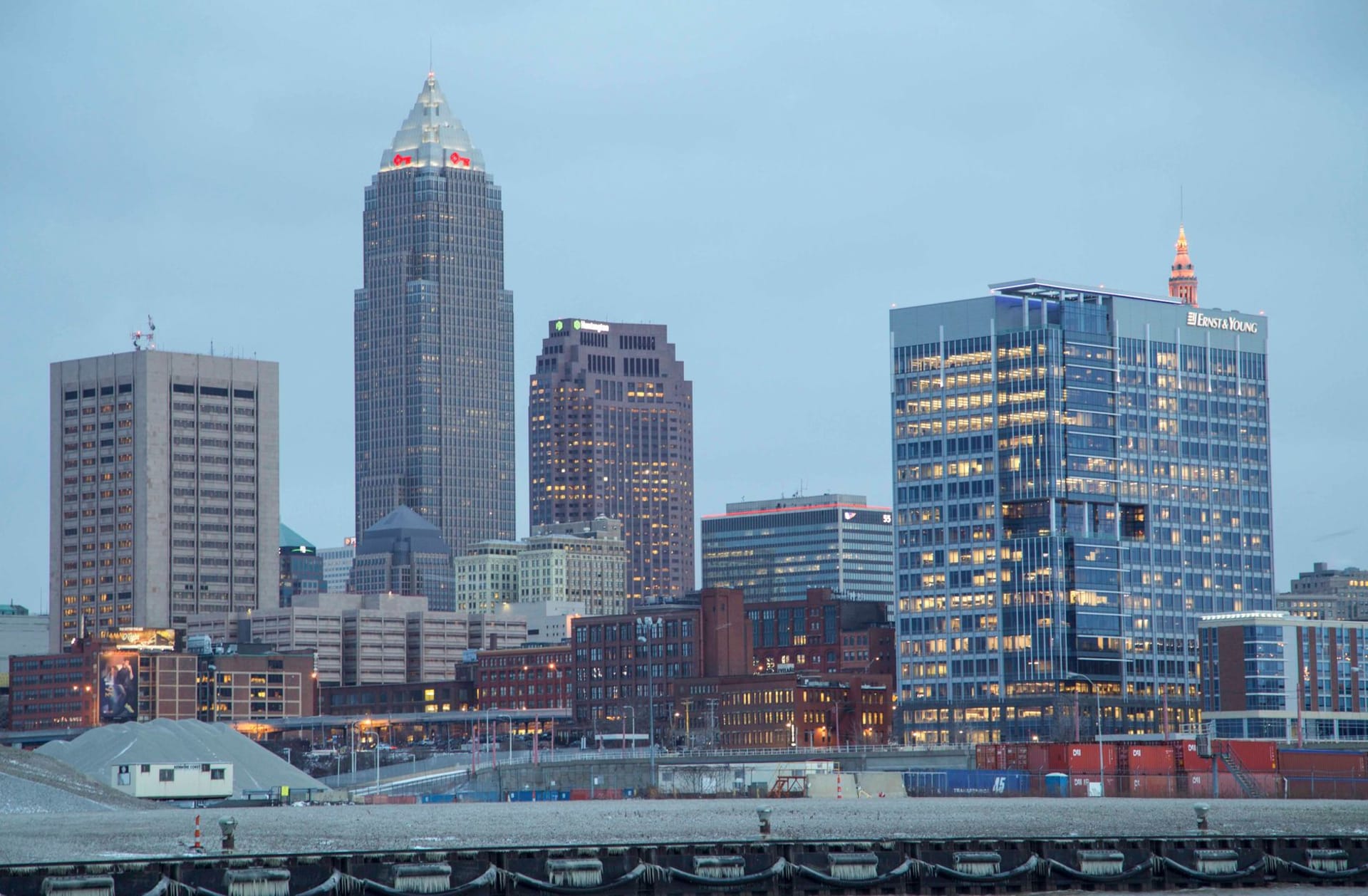
Cleveland
"Cleveland doesn't need your validation — it just keeps making good food and playing good music and lets you figure that out on your own schedule."
Cleveland is a city that has been misunderstood for so long it has started to enjoy it. Perched on the south shore of Lake Erie, surrounded by the industrial geography of the Rust Belt — flat land, river valleys, brick and steel — it is not conventionally beautiful and it doesn’t pretend to be. What it has instead is a particular Midwestern ferocity about the things it does well, which includes music (the city that coined the term “rock and roll” and built the Hall of Fame to prove the point), food (one of the genuinely underrated dining cities in the country), and an irreverent attitude toward its own reputation that manifests as the best kind of dark humor. The first time I visited, I asked a bartender in Ohio City what he thought was the best thing about Cleveland. He looked at me for a moment. “That it keeps surprising people who don’t expect to be surprised,” he said, and then went back to work.
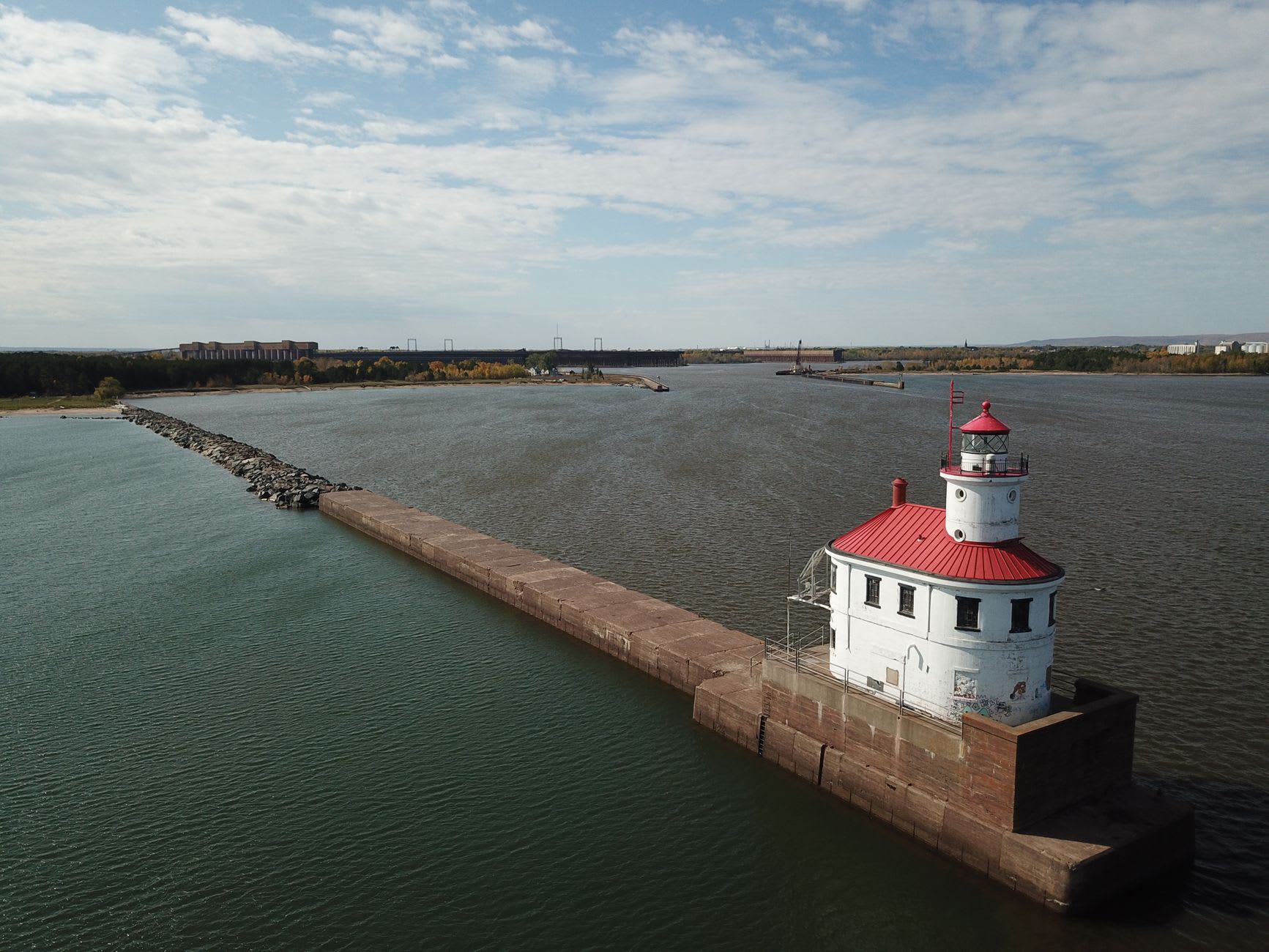
The West Side Market is where Cleveland shows its immigrant soul. Built in 1912 and still operating under its original arched ceiling, it holds over a hundred vendors selling pierogi, kielbasa, Hungarian pastries, Slovenian sausage, fresh pasta, West African spices, and the largest collection of artisan cheeses I’ve found at any market in the Midwest. I arrived on a Saturday morning and navigated by smell for an hour before I bought anything — smoked meat, fresh bread, roasting spices, the sweet-sharp hit of aged cheese. Then I bought too much of everything. The market anchors the Old West Side neighborhood, which runs through Victorian housing, Mexican restaurants on Lorain Avenue, and Lebanese bakeries that have been operating since the 1920s. This is what neighborhood food culture actually means when it isn’t just a marketing phrase.

The lakefront is Cleveland’s sleeping potential. The Rock and Roll Hall of Fame is exactly what a rock museum should be — loud, impractical, evangelical about its subject — and it sits right on Lake Erie in an I. M. Pei building that angles glass toward the water with justified confidence. On summer weekends the lakefront parks fill with cyclists and families and people who have driven in from the suburbs to remember they live on one of the largest bodies of freshwater in the world. The lake here is not dramatic the way Superior is dramatic — no towering cliffs, no rogue waves — but there’s something honest about it. It’s a working lake with a working city on it, and the view from the breakwater at sunset, when the steel mills across the river catch the last light and the lake turns the colour of old pewter, has its own kind of industrial poetry that I find easier to admire the longer I spend in Cleveland.
When to go: May through September for the lakefront and outdoor markets. The Cleveland Orchestra at Severance Hall operates year-round and is among the best in the world — attend a performance even if you’re only passing through. The West Side Market runs year-round Wednesday and Saturday; arrive before ten on Saturday to avoid the worst of the crowds.