Americas
Great Lakes
"Nothing prepares you for a lake big enough to have its own weather."
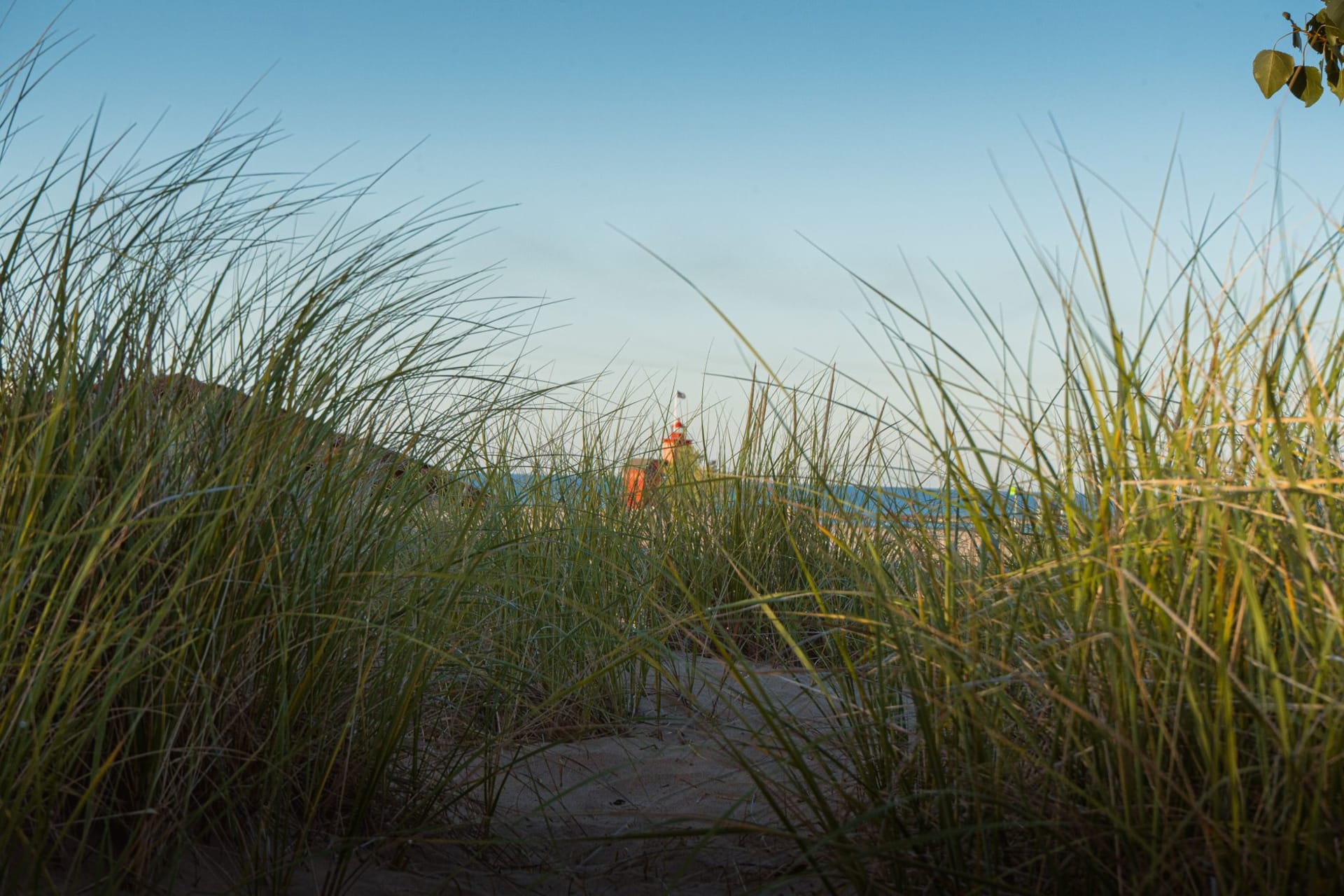
The first time I drove up to Lake Superior from the south, I pulled over on a two-lane road in the Upper Peninsula and just stood there for a while, not quite computing what I was looking at. The water went to the horizon — genuinely, completely, in every direction — and there was no salt smell, no tidal sound, nothing to signal ocean. Just wind off freshwater the colour of the North Atlantic, and a silence that felt almost aggressive. This is the thing nobody tells you about the Great Lakes: they are not lakes the way you understand lakes. They are inland seas with moods, with storms, with lighthouses and shipwrecks and beaches that feel inexplicably Nordic.
I came in through Michigan, which is the right way to do it if you care about lighthouses and dunes. The Sleeping Bear Dunes on Lake Michigan are absurd — massive sand formations that drop straight into cold blue water, with no preamble, no warning. You climb them in July heat and stand on top feeling like you’ve wandered into the wrong continent. The food culture along the western Michigan shore runs on cherries, whitefish, and locally brewed beer, and there are farm stands on every road that sell things you’ll eat in the car before you reach the next town. Around Lake Erie, the south shore cuts through Ohio wine country, which surprises people who don’t expect vineyards in that latitude. It’s cool-climate viticulture, Rieslings mostly, and the lakeside towns have the faded-grandeur quality of places that were once resort destinations and are slowly remembering they should be again.
Lake Superior is the finale and it earns the distance. The Apostle Islands in Wisconsin are a chain of sandstone sea caves you can kayak into, lit from inside by the light bouncing off green water. The Pictured Rocks cliffs in Michigan glow orange and purple and red from iron and copper staining, which is not something any photo adequately conveys because the scale is wrong until you’re floating beneath them in a rented boat going very slowly. The towns up there — Munising, Bayfield, Marquette — run on pasties (the Finnish-Cornish meat pastry that arrived with the mining boom), smoked lake trout, and a cheerful indifference to the fact that the rest of the country largely ignores them.
When to go: Late June through early September for swimming, kayaking, and dune hiking. The shoulder season — late May and early October — is dramatically beautiful and nearly empty. Avoid August weekends on the southern Michigan shore if you dislike crowds. The ice caves on Lake Superior (accessible on foot across frozen water when conditions allow) happen in February and are one of the stranger and more spectacular things I’ve encountered anywhere.
What most guides get wrong: They treat the Great Lakes as a road-trip backdrop rather than a destination in their own right. The tendency to “do the lakes” while driving between Chicago and somewhere else means most people see them at 70 mph. The water is the point — rent a kayak, book a boat tour, find a beach with no parking lot visible and sit there for two hours. The lakes reward the people who stop moving.