Townsville
"The only city I know where the best museum is entirely underwater and slowly turning into coral."
A no-nonsense reef city where I snorkelled a sunken shipwreck by day and an underwater sculpture museum grown from real coral by evening.
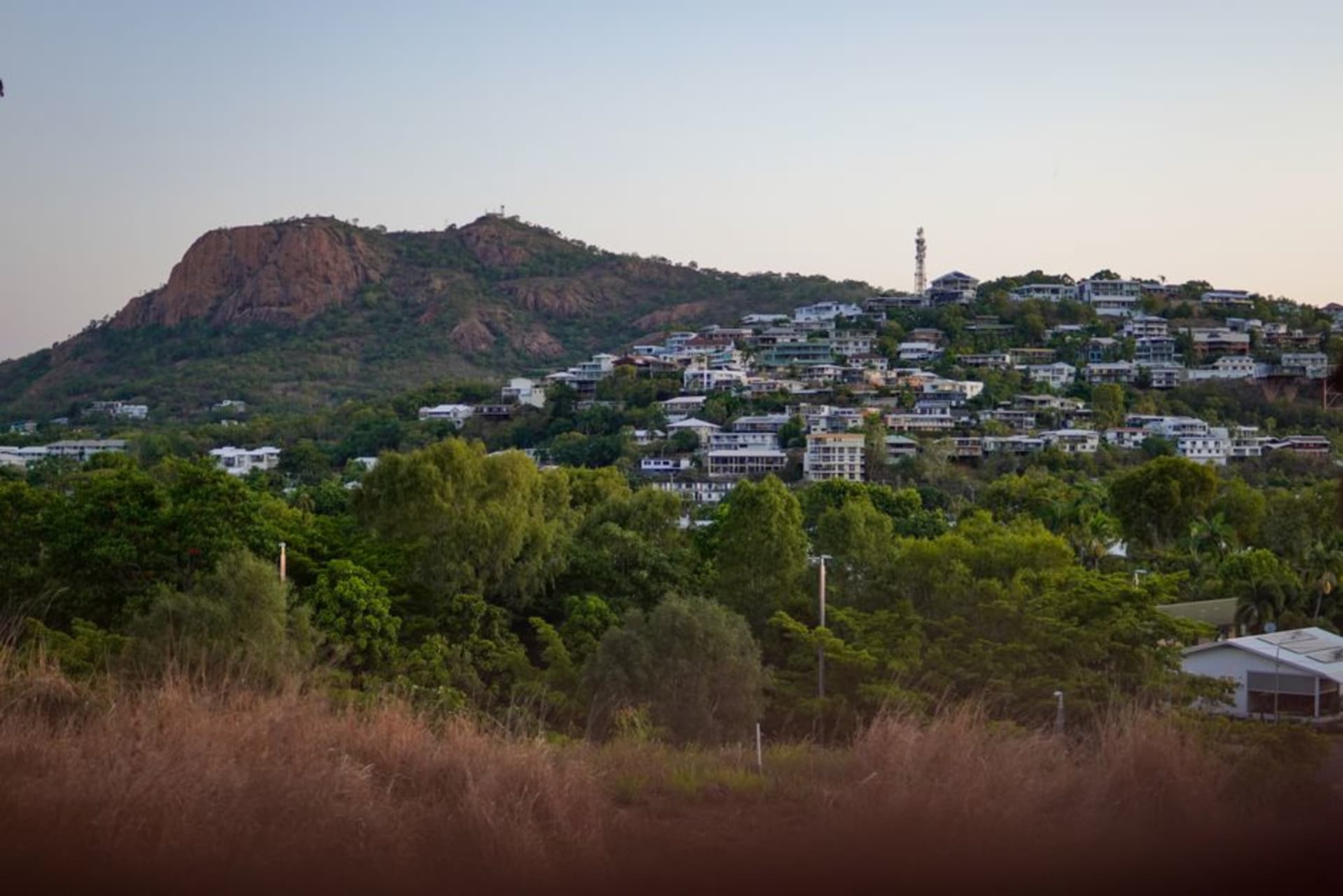
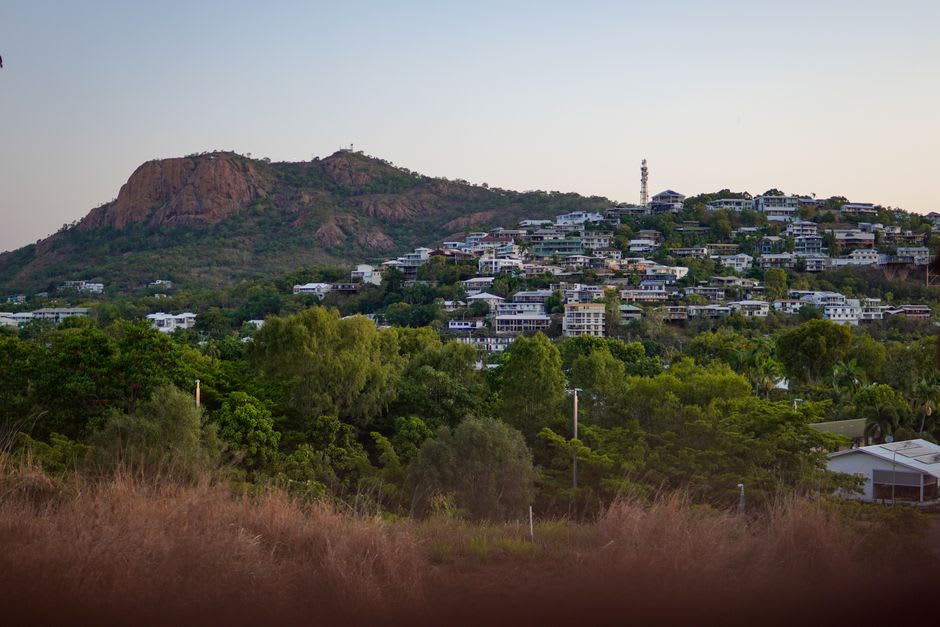
Townsville does not perform for tourists the way Cairns does, and I mean that as a compliment. It is a genuine working city — cattle, mining, a large military base — with a waterfront that feels lived-in rather than staged, and Castle Hill, a great red hump of granite, looming over the whole downtown like a geological punctuation mark. I climbed it one humid morning for the view over Cleveland Bay and Magnetic Island sitting hazy on the water, and arrived at the top sweating through my shirt in a way that made the locals jogging past look faintly amused.
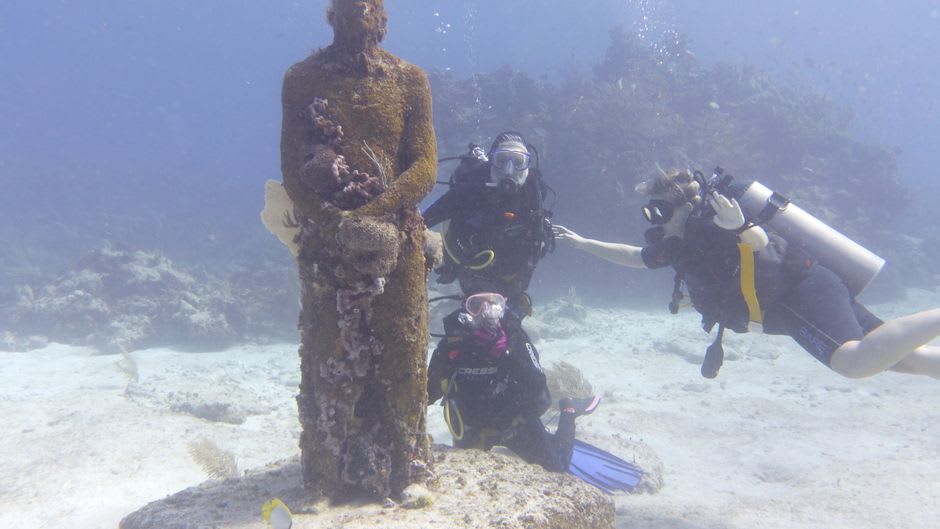
What brought me here specifically was the SS Yongala, a passenger steamer that sank in a cyclone in 1911 with everyone aboard lost, and now sits almost completely intact on the seabed a short boat ride offshore — widely regarded as one of the best wreck dives on the planet. I am not certified for that depth, so I did the next best thing: the Museum of Underwater Art, a set of submerged sculptures anchored off Magnetic Island and in the harbour, including a striking coral-encrusted greenhouse structure that divers and snorkellers alike can visit. Watching soft coral slowly colonising human-made forms, blurring the line between sculpture and reef, was stranger and more moving than I expected from something built for photographs.
Back on land, Townsville’s Reef HQ Aquarium runs a genuine coral reef research and rehabilitation programme rather than a straightforward tourist tank, and the staff clearly know their subject in a way that made the visit feel closer to a briefing than an attraction. I left with a far better sense of the science behind bleaching and recovery than any pamphlet had managed to give me.
When to go: May through October offers the driest, most comfortable weather for exploring the city and the calmest conditions for boat trips out to the Yongala wreck or the underwater sculptures. The build-up months of November and December can turn uncomfortably humid before the wet season proper arrives.